


Corporate travel rarely becomes difficult because employees cannot find a flight or hotel. The real trouble starts when dozens of people book differently, approvals get delayed, policy rules are missed, and finance teams later have to piece together what happened. For companies managing regular business travel, a travel management platform can bring these moving parts into one smoother booking process.
The scale of travel makes this more than a convenience issue. GBTA reported in May 2026 that Asia Pacific business travel spending is projected to reach $700.9 billion in 2026, up 10.9% year over year, with India among the markets expected to post strong growth. As travel activity expands, companies need better ways to manage bookings, spending, approvals, and traveler information without adding more manual work.
Travel management software creates that structure. Employees can search and book within approved options, managers can review requests, and finance teams can access clearer records. Instead of treating every trip as a separate administrative task, companies can manage travel through one connected system. This makes booking easier for employees while giving businesses greater control over cost, compliance, and visibility. It also gives travel teams a process when plans change, saving time during busy periods.

Why Corporate Booking Becomes Complicated
A single employee booking a flight is simple enough. The challenge appears when a company has many travelers, different departments, approval levels, and bookings across flights and hotels. What looks like a small task can become a chain of emails, messages, spreadsheets, and follow-ups.
Employees may compare options on different websites, choose a fare outside company policy, or book before receiving approval. Managers then have to respond, travel teams verify details, and finance teams reconcile the expense later. As the number of trips grows, small gaps quickly become recurring administrative work.
Centralized Booking Makes Travel Easier
One major advantage is having flights and hotels available through one organized interface. Employees can search for suitable options without moving between several websites or relying on someone else to arrange every trip. This saves time, especially for frequent travelers who often make bookings at short notice.
Built-In Approvals Reduce Delays
Approvals are often one of the slowest parts of corporate travel. An employee may need permission from a manager, department head, or finance team before confirming a trip. When approvals happen through separate emails or messages, requests can easily be missed.
Travel management software connects approval workflows directly to booking. A traveler submits a request, the relevant person reviews it, and the booking moves forward once approval is provided. Companies can create different rules based on department, destination, trip value, or traveler level.
This creates a more consistent process. Employees know what to do, managers have a defined action, and travel teams spend less time chasing confirmations. It also reduces the risk of employees booking first and explaining the expense afterward.
Better Control Over Travel Policy
Travel policies are designed to keep spending reasonable and create consistent booking standards. Yet a policy document alone does not guarantee compliance. If employees have to remember every fare limit, hotel rule, or approval requirement, mistakes are likely.
A dedicated software platform for corporate business travel management can apply policy rules during booking, displaying eligible options or flagging selections that require additional approval. This proactive approach is far more effective than discovering a policy violation weeks later during an expense review. For organizations handling frequent travel, this control makes policy enforcement less confrontational. Employees are guided toward compliant choices during booking rather than questioned after the trip, while managers retain visibility into exceptions.
One Connected Experience with MakeMyTrip for Business
For companies seeking a more organized booking approach, MakeMyTrip for Business brings business travel arrangements into a managed environment. The aim is not simply to automate reservations, but to make the journey easier to manage from the initial search through the final booking record.
A strong corporate booking process should feel simple to travelers while remaining structured for the business. When those needs are balanced, employees spend less time on administrative steps and travel teams have fewer repetitive tasks to handle.
Clearer Expense Tracking and Reporting
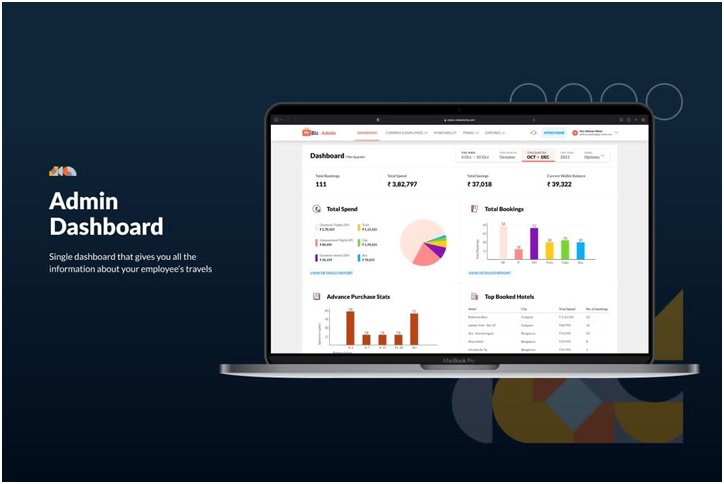
Booking data becomes more useful when it connects with financial reporting. Instead of collecting invoices and booking details from different sources, finance teams can work with a more consistent record of travel activity. This makes it easier to understand spending and identify unusual patterns.
Better records also support reconciliation. When booking information is organized from the beginning, finance teams have less manual work when matching transactions or checking expenses. The result is a cleaner flow of information between travel and finance.
Faster Changes and Disruption Management
Business trips rarely go exactly according to plan. Flights can be delayed, meetings can move, and travelers may need to change dates or cancel arrangements. Handling these situations manually becomes stressful, especially when employees are already travelling.
Modern travel platforms can make it easier to locate booking details and manage changes from one place. Some systems also provide alerts and automated support for disruptions. This is where connected technology can become particularly useful.
GBTA research published in May 2026 found that 89% of surveyed travel buyers were interested in automated disruption management and rebooking. The same research found that only 12% had a consolidated view of their travel program from a single data source. These findings highlight the growing need for connected travel systems.
Improved Traveler Experience
Employees generally do not want to spend working hours arranging travel. They want a booking process that is clear, quick, and easy to understand. When the system shows relevant options and keeps booking details accessible, travelers can manage trips with less assistance.
A More Scalable Way to Manage Travel
The biggest advantage may be scalability. A small company can sometimes manage travel through emails and spreadsheets because the number of trips is limited. As the organization expands, that approach can become slow, inconsistent, and difficult to monitor.
Software gives companies a process that can grow with them. New employees can follow the same workflow, managers can use established approval rules, and finance teams can access structured information without rebuilding the process every month. This helps teams maintain consistency even as travel volumes, departments, and responsibilities continue to expand.
Making Corporate Travel Simpler
The right travel management software can make corporate bookings easier without removing flexibility from employees. By bringing booking, approvals, policy checks, reporting, and disruption support together, companies reduce repetitive work and gain better visibility into spending. As travel programs grow, that combination of convenience and control can help businesses manage trips more smoothly while giving employees a simpler and dependable experience from search to journey, every time across the company.