

The footwear company spent Rs 6.64 crore on CSR projects, Rs 25.01 lakh on administrative overheads and transferred Rs 36.79 lakh for ongoing initiatives.
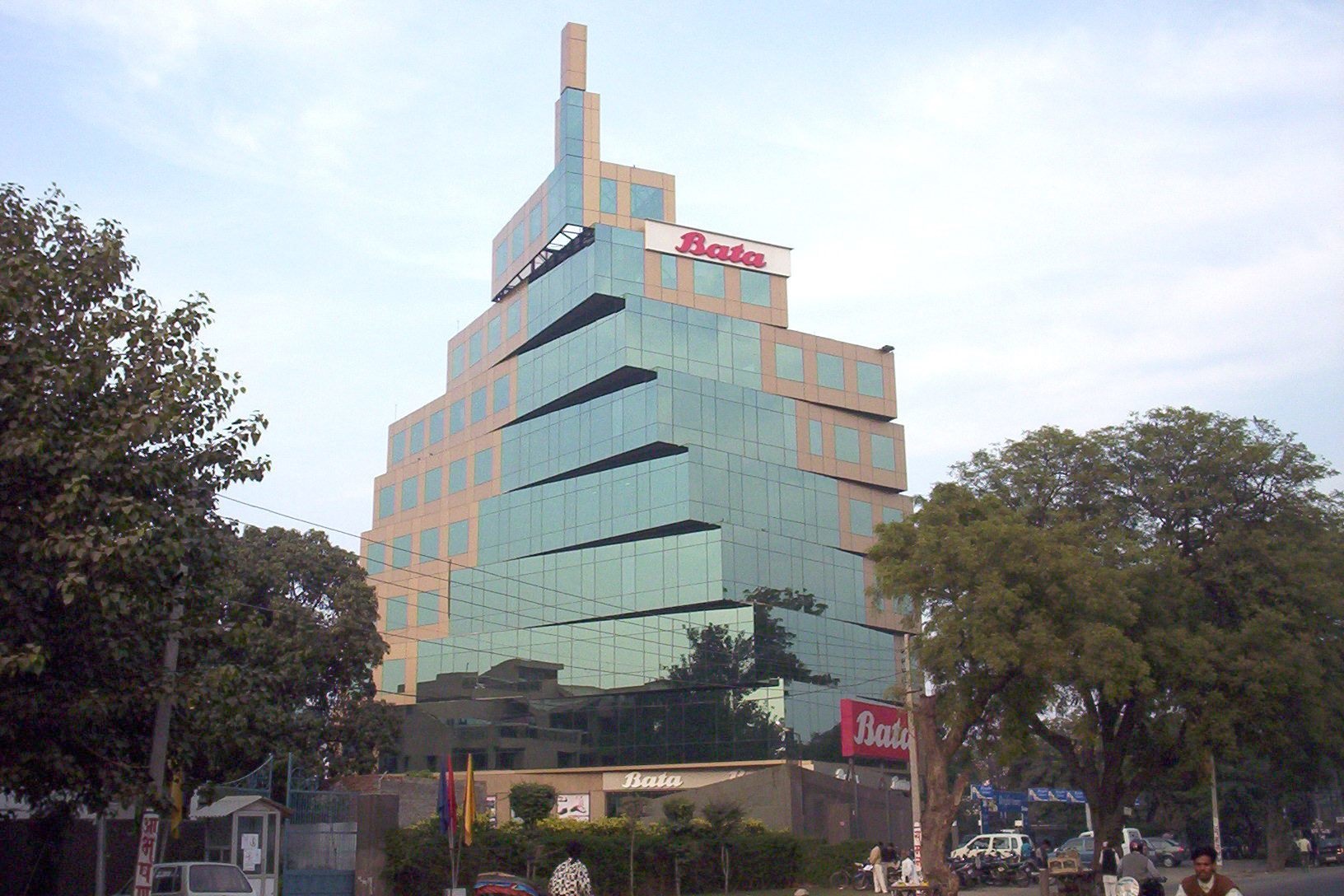
NEW DELHI (India CSR): Bata India Limited, a footwear manufacturing and retail company, spent Rs 6.89 crore on Corporate Social Responsibility (CSR) activities during FY 2025-26, with programmes covering education, health, skill development, sanitation, environmental protection, girl child empowerment and employee volunteering, according to the company’s annual report.
The company’s prescribed CSR obligation for the year stood at Rs 7.25 crore, based on an average net profit of Rs 362.66 crore for the three immediately preceding financial years.
Of the total amount spent, Rs 6.64 crore went directly towards CSR projects, while Rs 25.01 lakh was reported as administrative overheads. A further Rs 36.79 lakh relating to ongoing projects was transferred to a designated Unspent CSR Account on April 17, 2026.
Education received the largest category-wise allocation, while the Bata Children’s Program reached more than 9,200 children during the year.
CSR Spending
Under Section 135 of the Companies Act, 2013, qualifying companies are required to spend at least 2% of the average net profits of the three immediately preceding financial years on eligible CSR activities.
For FY 2025-26, Bata India calculated its average net profit at Rs 362.66 crore.
This resulted in a prescribed CSR obligation of approximately Rs 7.25 crore.
The company reported total CSR expenditure of about Rs 6.89 crore during the year.
Of this, Rs 6.64 crore was spent on direct projects and Rs 25.01 lakh on administrative overheads.
The balance of Rs 36.79 lakh was transferred to an Unspent CSR Account for eligible ongoing projects.
The transfer was made on April 17, 2026, according to the disclosure.
Taken together, the amount spent during the year and the transfer to the Unspent CSR Account account for the company’s prescribed CSR requirement.
Education Focus
Education was the largest disclosed CSR spending area during FY 2025-26.
Bata India spent around Rs 3.33 crore on programmes linked to quality education in schools.
The company’s education portfolio included digital learning, STEM education, mental well-being, gender sensitisation and sports-based learning.
The Bata Children’s Program, or BCP, remained a major platform for school-focused interventions.
According to the report, the programme reached more than 9,200 children during FY 2025-26.
The programme is designed around a broader child-development approach rather than classroom learning alone.
Its interventions cover digital literacy, STEM education, mental well-being, sports and gender awareness.
The annual report provides a headline beneficiary figure but does not give a school-wise or state-wise breakdown of all children reached.
More detail on learning outcomes, attendance, retention and digital skills would help measure longer-term educational impact.
Health and Skills
Bata India spent around Rs 2.81 crore on health and skill-development programmes.
The initiatives covered health awareness, vocational learning, employability and support for young people and women.
The source material also refers to menstrual health management workshops aimed at adolescent girls.
These interventions were intended to improve awareness around hygiene and reduce health-related barriers affecting school participation.
The company also continued skill-based programmes designed to improve employability and economic independence.
The report does not provide a consolidated number of participants trained, placement rates, salary outcomes or employment retention data.
Such indicators would make it easier to assess the economic impact of the company’s skilling programmes.
Bata Wings
The company continued the Bata Wings Scholarship Programme as part of its women and girl-focused interventions.
The report states that Phase 1 of the programme was completed, while Phase 2 was initiated during FY 2025-26.
The programme combines scholarship assistance, vocational learning and employment-linked opportunities.
It is intended to support young women in building skills that can improve access to jobs and income.
The available source does not provide the number of scholarship recipients, course completion rates or employment outcomes.
These details would be useful in assessing how effectively the programme supports women’s economic participation.
WASH Support
Water, sanitation and hygiene also formed part of Bata India’s school and community interventions.
Under its WASH activities, the company supported sanitation facilities, drinking water infrastructure and hygiene awareness.
The programmes included construction or refurbishment of school sanitation units and installation of safe drinking water systems.
The report also refers to rainwater harvesting and water-management measures.
WASH facilities can influence school attendance, particularly for girls, when safe toilets and reliable water access are available.
However, the source does not provide the number of schools covered, facilities constructed or students using the systems.
Project-level usage and maintenance data would provide a clearer picture of their impact.
Inclusive Education
Bata India also reported interventions for children with special needs and visually impaired students.
The Inclusive Education Programme provided educational aids and other forms of learning support.
Employee volunteers also supported visually impaired students through activities such as digital reading and audio-based learning assistance.
The company’s approach indicates an effort to make school participation more accessible for children requiring additional support.
The report, however, does not disclose the number of children covered under this programme.
Beneficiary data and retention outcomes would strengthen the social impact evidence.
Environmental Action
Environmental preservation received around Rs 49.40 lakh during FY 2025-26.
The company reported maintaining three urban green-cover sites and carrying out afforestation activities using seed-pellet techniques.
Employee volunteers also participated in making seed pellets and plantation activities.
The source material additionally refers to Project RECOVER, under which Bata India reported 100% utilisation of EVA waste.
Project RECOVER relates to waste circularity within company operations and should be distinguished from statutory CSR unless specifically identified as an eligible CSR project.
Similarly, operational energy-efficiency initiatives form part of the company’s wider ESG and sustainability programme rather than automatically qualifying as CSR expenditure.
Clear separation between CSR projects and internal sustainability measures helps improve reporting accuracy.
Employee Volunteering
Bata India employees contributed more than 7,000 volunteering hours during FY 2025-26 under the Bata Heroes initiative.
Activities included WASH workshops, support for visually impaired learners, seed-pellet preparation and plantation drives.
Employee volunteering is separate from statutory CSR spending but can strengthen participation in social programmes.
The report demonstrates significant employee involvement, although the number of employees participating and the community outcomes generated through volunteering were not separately disclosed in the supplied material.
CSR Governance
Bata India’s CSR Committee was chaired by Ashwani Windlass, an Independent Non-Executive Director.
The committee also included Gunjan Dineshkumar Shah, Managing Director and CEO, and Shaibal Sinha, Non-Executive Director.
The committee met twice during FY 2025-26.
According to the information provided, all three members attended both meetings.
The committee is responsible for reviewing CSR policies, evaluating project proposals, recommending spending and monitoring implementation.
The company’s governance framework also requires certification that CSR funds have been used for the purposes approved by the board.
The source material states that the Chief Financial Officer provides such certification.
Unspent Amount
Bata India transferred Rs 36.79 lakh to an Unspent CSR Account on April 17, 2026.
This amount relates to eligible ongoing CSR projects that were not fully completed within the financial year.
Under the CSR framework, such transferred funds remain earmarked for approved projects and must be utilised within the prescribed period.
The company cannot treat these amounts as unrestricted business funds.
The report extract does not identify the specific ongoing projects linked to the Rs 36.79 lakh transfer.
Project names, timelines and expected completion dates would improve transparency around future utilisation.
Spending Structure
The category-wise figures reported for FY 2025-26 were broadly as follows: Rs 3.33 crore for education, Rs 2.81 crore for health and skill development, Rs 49.40 lakh for environmental preservation and about Rs 25 lakh for administrative and professional costs.
The figures together broadly align with total reported CSR expenditure of about Rs 6.89 crore.
Education accounted for the largest share of CSR spending, followed by health and skill development.
The annual report does not separately disclose impact assessment expenditure in the supplied source.
It also does not indicate whether any excess CSR amount from earlier years was available for set-off.
These figures should therefore be cross-checked with the statutory CSR annexure for complete compliance reporting.
Impact Evidence
The report provides useful financial and programme-level information but limited long-term outcome data.
The Bata Children’s Program reached more than 9,200 children, while employee volunteering exceeded 7,000 hours.
However, impact reporting would be strengthened by additional information on school attendance, learning improvement, scholarship outcomes, placement rates, sanitation usage and environmental survival rates.
For green-cover projects, survival rates and area restored would be more informative than plantation activity alone.
For skill programmes, employment and income data would help measure whether training translated into sustainable livelihoods.
For inclusive education, beneficiary numbers and school retention would provide a clearer measure of effectiveness.
Key Facts
| Particulars | Details |
|---|---|
| Company | Bata India Limited |
| Financial Year | FY 2025-26 |
| Business Sector | Footwear Manufacturing and Retail |
| Average Net Profit for CSR | Rs 362.66 Cr |
| Prescribed CSR Obligation | Rs 7.25 Cr |
| Total CSR Spending | Rs 6.89 Cr |
| Direct Project Expenditure | Rs 6.64 Cr |
| Administrative Overheads | Rs 25.01 lakh |
| Transferred to Unspent CSR Account | Rs 36.79 lakh |
| Transfer Date | April 17, 2026 |
| Education Spending | Rs 3.33 Cr |
| Health and Skill Development | Rs 2.81 Cr |
| Environmental Preservation | Rs 49.40 lakh |
| Bata Children’s Program Reach | More than 9,200 children |
| Employee Volunteering | More than 7,000 hours |
| Urban Green Patches | 3 |
| Key Women-Focused Initiative | Bata Wings Scholarship |
| Major CSR Themes | Education, Health, Skills, WASH, Environment |
| CSR Committee Chair | Ashwani Windlass |
Frequently Asked Questions
How much did Bata India spend on CSR in FY 2025-26?
Bata India reported total CSR expenditure of about Rs 6.89 crore during FY 2025-26.
What was Bata India’s prescribed CSR obligation?
The company’s prescribed CSR obligation stood at around Rs 7.25 crore.
How much was transferred to the Unspent CSR Account?
Bata India transferred Rs 36.79 lakh for eligible ongoing CSR projects.
Which CSR area received the highest spending?
Education received the largest allocation at around Rs 3.33 crore.
How many children were reached through the Bata Children’s Program?
The company reported that the programme reached more than 9,200 children.
How many employee volunteering hours were recorded?
Bata employees contributed more than 7,000 volunteering hours during FY 2025-26.
Copyright@India CSR®