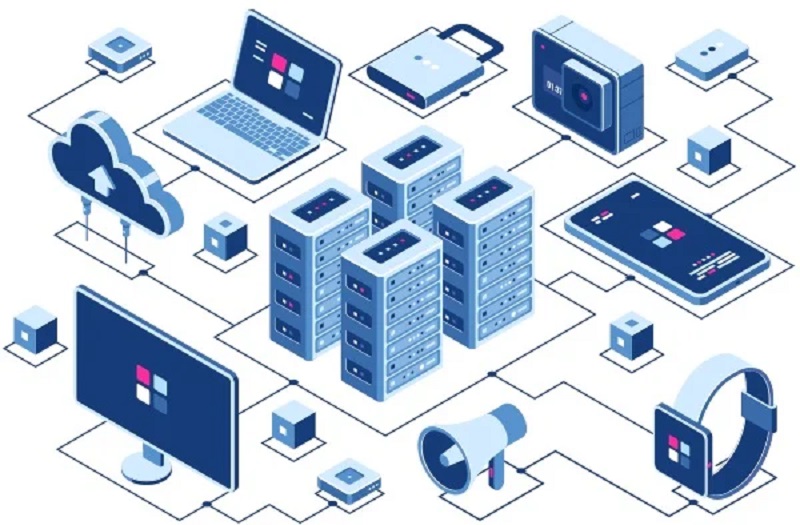



Businesses today depend on technology a lot to run smoothly, stay competitive, and grow their operations. Enterprise infrastructure software is the main type of software that makes up this technology ecosystem. It is made to meet the needs of big businesses. Enterprise infrastructure software is different from consumer-focused software since it can handle a lot of procedures, connect different systems, and keep the whole business safe and reliable.
More and more businesses of all sizes are realizing how important strong infrastructure software is. It is the basis for digital transformation projects, cloud adoption, and smooth internal collaboration. For any organization that wants to improve performance and encourage innovation, it’s important to know how enterprise infrastructure software works and which solutions are the best on the market.
What does Enterprise Infrastructure Software do?
Enterprise infrastructure software is the group of software tools and platforms that make up the technological backbone of a company’s IT environment. This covers systems that handle servers, virtualization, cloud services, networking, data storage, and security. In short, it’s the framework that makes all other programs run well, such as customer relationship management, financial software, and productivity tools.

The most important thing about corporate infrastructure software is that it can grow. Small businesses may just need a few servers or cloud services, while huge firms need complicated systems that can handle thousands of users, many departments, and operations around the world. Businesses risk being inefficient, having downtime, and even having their data stolen if they don’t have a strong infrastructure layer.
Why Enterprise Infrastructure Software is Important
Enterprise infrastructure software does a lot more than just help with IT management. It helps businesses run more smoothly, work together better, and make sure that important business apps work well. A international corporation, for instance, might use enterprise infrastructure software to link teams on different continents, keep an eye on system performance in real time, and manage shared databases.
Another important thing is safety. Advanced monitoring tools, firewalls, and access restrictions are commonly included in enterprise infrastructure software to keep sensitive business data safe. Businesses can’t afford to rely on old or broken infrastructure systems in a time when cyber dangers are on the rise. A whole software solution gives you both peace of mind and better business operations.
Important Parts of Enterprise Infrastructure Software
Modern corporate infrastructure software has a lot of capabilities that are meant to fulfill the needs of complicated businesses. These include managing servers, networks, and databases from a single location, automating common processes, and connecting to cloud platforms. Many solutions also let IT staff see how things are going in real time and keep an eye on performance, which helps them find problems before they happen.
Enterprise infrastructure software also commonly enables virtualization, which lets businesses run more than one virtual machine on a single physical server. This not only makes better use of resources, but it also cuts expenses and makes things more flexible. Infrastructure software that can easily work with several platforms is becoming more important as hybrid and multi-cloud systems become more popular.
Best enterprise infrastructure software solutions
A number of corporate infrastructure software platforms are changing how firms work these days. Microsoft, VMware, Cisco, and IBM are just a few of the companies that offer strong solutions for networking, virtualization, cloud management, and cybersecurity. For instance, Microsoft’s Azure and VMware’s vSphere offer scalable cloud and virtualization solutions. Cisco, on the other hand, concentrates on networking and security infrastructure for businesses.
Smaller, niche suppliers are also making a difference by providing solutions for cloud orchestration, monitoring, and automation. These platforms help companies make the most of their IT environments, cut down on downtime, and boost the performance of their systems as a whole. The scale of the company, the needs of the industry, and the necessity for integration all play a role in choosing the correct enterprise infrastructure software.
How enterprise infrastructure software helps with digital transformation
Businesses of all sizes are now putting digital transformation at the top of their to-do lists. Businesses are changing the way they do things, from moving to cloud-based systems to using AI-powered analytics. Enterprise infrastructure software is a key part of this change since it gives the technical support that is needed to use new technologies effectively.
For instance, a business that wants to use a hybrid cloud strategy can use enterprise infrastructure software to easily manage workloads in both on-premises and cloud environments. Automation features in these platforms also cut down on the need for human work, letting IT professionals focus on strategic projects instead of routine maintenance. Modern infrastructure software is a key part of digital innovation since it is flexible and can grow with your needs.
Problems in using enterprise infrastructure software
Enterprise infrastructure software has many advantages, but putting it into use is not always easy. Setting up huge systems may be complicated and take a lot of planning, training for employees, and often a lot of money for hardware and software licenses. It can also be hard to combine new infrastructure software with old systems since they could not work together.
Also, regular maintenance and security upgrades are quite important. Enterprise systems store sensitive information and are necessary for important tasks. Any downtime or compromise can have serious effects. To get the most out of its infrastructure software, businesses need to make sure it is always up to date, being watched, and following best practices.
What will happen in the future with enterprise infrastructure software?
Trends like cloud computing, AI integration, and more automation will have a big impact on the future of enterprise infrastructure software. More and more firms are using cloud-native infrastructure systems since they let them scale up and down quickly and don’t rely as much on local servers. Adding AI to monitoring, predictive maintenance, and network optimization makes systems smarter and more efficient.
Security will still be a big problem. As cyber threats change, enterprise infrastructure software is anticipated to provide better protection, such as real-time threat detection, automated incident response, and more complex encryption mechanisms. Companies who use these next-generation solutions will have an edge over their competitors because they will be able to stay strong, work well, and change with the digital world.
How to Pick the Best Enterprise Infrastructure Software
To choose the proper software solution, you need to know what the organization needs. You should think about things like how scalable the system is, how well it can work with other systems, how automated it is, how secure it is, and how much assistance the provider offers. Companies should think about how the software works with their current technology and whether it can grow and change with them.
Talking to IT experts, running pilot testing, and looking at case studies are all good ways to be sure that the corporate infrastructure software you choose will give you the value you want. A good platform not only helps with day-to-day tasks, but it also sets the firm up for long-term success in a competitive digital world.
Final Thoughts
Enterprise infrastructure software is more than simply a technical tool; it’s the basis for how modern enterprises run. The effects of strong infrastructure software can’t be understated. It makes things more efficient and easier to work together, allows for digital transformation, and protects important data.
Microsoft, VMware, Cisco, IBM, and other top companies provide businesses scalable, safe, and smart solutions that help them grow and come up with new ideas. As technology changes, businesses that spend money on good enterprise infrastructure software will be better able to deal with problems, take advantage of opportunities, and stay ahead in a digital world that is changing quickly.
In short, enterprise infrastructure software is more than just a need for IT; it’s a strategic asset that helps firms succeed in the digital age.