

• India CSR Awards 2025
  • India CSR Leadership Summit
  • Guest Posts
Tuesday, May 12, 2026
India CSR
  • Home
  • Corporate Social Responsibility
    • Art & Culture
    • CSR Leaders
    • Child Rights
    • Culture
    • Education
    • Gender Equality
    • Around the World
    • Skill Development
    • Safety
    • Covid-19
    • Safe Food For All
  • Sustainability
    • Sustainability Dialogues
    • Sustainability Knowledge Series
    • Plastics
    • Sustainable Development Goals
    • ESG
    • Circular Economy
    • BRSR
  • Corporate Governance
    • Diversity & Inclusion
  • Interviews
  • SDGs
    • No Poverty
    • Zero Hunger
    • Good Health & Well-Being
    • Quality Education
    • Gender Equality
    • Clean Water & Sanitation – SDG 6
    • Affordable & Clean Energy
    • Decent Work & Economic Growth
    • Industry, Innovation & Infrastructure
    • Reduced Inequalities
    • Sustainable Cities & Communities
    • Responsible Consumption & Production
    • Climate Action
    • Life Below Water
    • Life on Land
    • Peace, Justice & Strong Institutions
    • Partnerships for the Goals
  • Articles
  • Events
  • हिंदी
  • More
    • Business
    • Finance
    • Environment
    • Economy
    • Health
    • Around the World
    • Social Sector Leaders
    • Social Entrepreneurship
    • Trending News
      • Important Days
        • Festivals
      • Great People
      • Product Review
      • International
      • Sports
      • Entertainment
    • Case Studies
    • Philanthropy
    • Biography
    • Technology
    • Lifestyle
    • Sports
    • Gaming
    • Knowledge
    • Home Improvement
    • Words Power
    • Chief Ministers
No Result
View All Result
  • Home
  • Corporate Social Responsibility
    • Art & Culture
    • CSR Leaders
    • Child Rights
    • Culture
    • Education
    • Gender Equality
    • Around the World
    • Skill Development
    • Safety
    • Covid-19
    • Safe Food For All
  • Sustainability
    • Sustainability Dialogues
    • Sustainability Knowledge Series
    • Plastics
    • Sustainable Development Goals
    • ESG
    • Circular Economy
    • BRSR
  • Corporate Governance
    • Diversity & Inclusion
  • Interviews
  • SDGs
    • No Poverty
    • Zero Hunger
    • Good Health & Well-Being
    • Quality Education
    • Gender Equality
    • Clean Water & Sanitation – SDG 6
    • Affordable & Clean Energy
    • Decent Work & Economic Growth
    • Industry, Innovation & Infrastructure
    • Reduced Inequalities
    • Sustainable Cities & Communities
    • Responsible Consumption & Production
    • Climate Action
    • Life Below Water
    • Life on Land
    • Peace, Justice & Strong Institutions
    • Partnerships for the Goals
  • Articles
  • Events
  • हिंदी
  • More
    • Business
    • Finance
    • Environment
    • Economy
    • Health
    • Around the World
    • Social Sector Leaders
    • Social Entrepreneurship
    • Trending News
      • Important Days
        • Festivals
      • Great People
      • Product Review
      • International
      • Sports
      • Entertainment
    • Case Studies
    • Philanthropy
    • Biography
    • Technology
    • Lifestyle
    • Sports
    • Gaming
    • Knowledge
    • Home Improvement
    • Words Power
    • Chief Ministers
No Result
View All Result
India CSR
No Result
View All Result
Home Articles

Carbon Neutral Manufacturing: Technology Pathways and Investment Strategies

India CSR by India CSR
December 30, 2025
in Articles
Reading Time: 5 mins read
India CSR
Share Share Share Share
WhatsApp icon
WhatsApp — Join Us
Instant updates & community
Google News icon
Google News — Follow Us
Get our articles in Google News feed

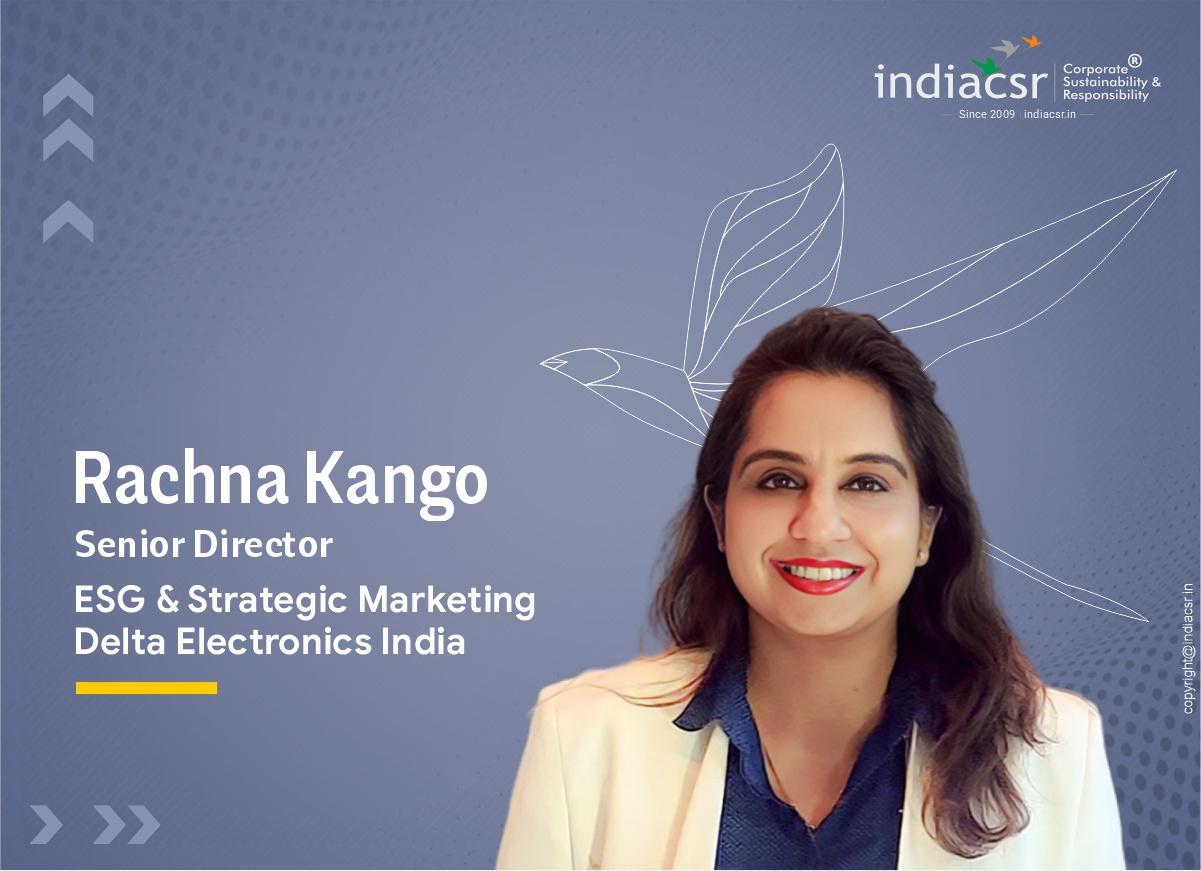
By Rachna Kango

NEW DELHI (India CSR): One of the most energy-intensive industries globally, manufacturing affects all kinds of resources. As India develops into a worldwide manufacturing superpower, its environmental effects cannot be ignored. India’s share of global greenhouse gas emissions has hit a new high — 7.8% — the highest it’s been since 1970. What’s even more concerning is how quickly those emissions are rising. Between 2020 and 2023 alone, the growth rate jumped by nearly a full percentage point.

As one of the world’s fastest-growing major economies, India is right at the heart of the global shift toward cleaner energy. With a growing population and a push to close the gap in economic development, the country’s role in this transition is more important than ever. With such carbon urgency, India will have a great duty to meet its lofty aim of becoming net zero carbon emission country by 2070 given this need to decarbonize the world’s manufacturing. Thus, in the national economic policy, Environmental, Social, and Governance (ESG) and climate disclosures are becoming of utmost importance since both local and foreign climate aware stakeholders demand responsibility. In this connection, carbon-neutral production is taking on more and more significance.
Admissions Open for BBA in CSR, Sustainability and ESG

Carbon Neutral Manufacturing

It’s a kind of production that makes products without adding to worldwide greenhouse gas emissions. This is accomplished by depending on carbon removal initiatives to compensate for any remaining emissions and cutting emissions during production. Becoming net zero impact on the atmosphere calls for a balancing of emissions rather than total deletion.

Understanding where emissions come from is the first step for any company aiming to go carbon neutral.

 There are two main types to start with. Scope 1 emissions are the direct ones — like fuel burned on-site or company-owned vehicles. Scope 2 refers to indirect emissions from things like electricity or heating that the company buys and uses. Together, these form the core of a company’s operational emissions. Then there’s Scope 3, which is trickier — it includes all the emissions across the supply chain, like from suppliers or logistics partners.

To become carbon neutral, companies are doing a mix of things. They’re switching to cleaner energy, making their operations more efficient, and in some cases, using carbon offsets to balance out what they can’t reduce yet. Some businesses are even going beyond that, trying to give back to the environment more than they take — that’s called a regenerative approach.

But here’s the thing: using green energy is great, but it’s not enough on its own. Being transparent and honest about emissions matters too. That’s why tools like ISO 14064 or the GHG Protocol exist — they help track and report emissions properly, so companies (and their stakeholders) can see real progress.

At the end of the day, this isn’t just about meeting climate targets. It’s about doing the right thing — building a future that’s actually sustainable for the long term.

Fundamental Technical Pathways

Wide array of creative ideas aimed at lowering emissions and enhancing sustainability are among the main technological roads for achieving carbon neutrality. Using renewable energy is essential, with solar photovoltaic (PV) systems, wind power, and green hydrogen integration among some of the main technologies supplying clean energy for operational requirements. To reduce energy use, energy efficiency retrofitting is also an important one involving LEDs, high-efficiency motors, variable frequency drives (VFDs), and smart HVAC systems. Heat electrification, which substitutes fossil fuel boilers for electric or heat pump systems, allows for a very large margin of carbon emissions reduction connected with heating operations. CCUS technology’s capacity to collect and reuse CO2 emissions makes it vital for high-emitting sectors including cement, chemicals, and steel. Manufacturers can use real-time data to forecast process efficiency and energy savings by means of digital twins and artificial intelligence for optimization. Local clean energy generation and load balancing via microgrids and smart grids improve energy resilience. Finally, attempts to substitute materials and encourage the circular economy stress the use of low-carbon materials and recycled inputs to advance sustainability throughout the supply chain. Collectively, these strategies offer a whole approach of achieving carbon neutrality in manufacturing. Strategies for achieving carbon neutrality

Investment plans for promoting carbon neutrality in manufacturing focus on matching capital expenditure (CapEx) and operating expense (OpEx) via total cost of ownership (TCO) guided decision making on environmentally friendly renovations and technologies.

Green bonds and ESG-linked finance offer essential funding for renewable and low-carbon projects. Carbon pricing and internal carbon accounting help to include climate costs into business, therefore promoting more sustainable business practices. Public private partnerships (PPP) let one coinvest in low-carbon infrastructure, as well as government incentives in the form of production linked incentive (PLI) programmes, tax incentives, and carbon credit market involvement, therefore fostering sustainable project investment. All of these approaches move toward the change to a green economy. Roadblocks and road ahead Roadblocks to attaining carbon neutrality for industry comprise high initial expense and poor return on investment (ROI) timeline, therefore discouraging businesses from transformation.

Measuring and publishing emissions is harder in the absence of consistent carbon accounting systems, therefore slowing down development. Plus, there’s a limited vendor base for industrial decarbonization technologies so new solutions are scarce. Adopting new technologies and methods is further hampered by resistance to change and legacy systems. Achieving carbon neutrality and a successful change to sustainable production depends on overcoming these obstacles. Roadmap to Implementation A roadmap to carbon neutrality implementation is step by step. First, you need to do a baseline emissions audit to determine your current carbon footprint and identify areas for improvement.

Then, energy and resource mapping can be used to find inefficiencies and where to optimize. Next, technology retrofitting and green procurement can be done to update old systems with new ones. Digitalization is key to tracking progress, using real-time data to monitor emissions and energy consumption.

Way to go

Lastly, have a system for offsets and monitoring compliance with reporting guidelines so you stay transparent and accountable while reducing emissions. This holistic approach allows you to move towards carbon neutrality systematically. Future carbon neutral production is no longer a choice; it’s a competitiveness requirement for companies to achieve ESG goals. To do this you need a mix of technology leadership, financial prudence and policy adaptability. Companies that invest in new solutions will be the sustainable and environmentally friendly ones. Early adopters of carbon neutral operations get more efficient but also get a head start by having impact on global supply chains and outperforming ESG indices. Carbon neutrality is the key to success and survival in the long run.

About the Author

Rachna Kango, Senior Director, ESG & Strategic Marketing at Delta Electronics India

(India CSR)
Ambedkar Chamber
ADVERTISEMENT
ESG Professional Network
ADVERTISEMENT
India Sustainability Awards 2026
ADVERTISEMENT
India CSR Image 1 India CSR Image 2
Tags: Delta Electronics IndiaRachna Kango

India CSR Day CSR, Sustainability, and ESG success stories hindustan zinc
ADVERTISEMENT
India CSR

India CSR

India CSR is the largest media on CSR and sustainability offering diverse content across multisectoral issues on business responsibility. It covers Sustainable Development, Corporate Social Responsibility (CSR), Sustainability, and related issues in India. Founded in 2009, the organisation aspires to become a globally admired media that offers valuable information to its readers through responsible reporting.

Related Posts

Dr Bhaskar Chatterjee
Articles

Dr. Bhaskar Chatterjee: Architect of CSR and Sustainability in India

ESG, CSR and Sustainability What Earth Day Demands from Businesses Today
Articles

ESG, CSR and Sustainability: What Earth Day Demands from Businesses Today

globalization status report 2026
Articles

Globalization Holds at 25%: World Remains Far from Fully Connected

R S Jalan, Managing Director, GHCL
Articles

Powering a Sustainable Future Through Responsible Industrialisation

Ajith Kumar, COO, Birla Opus Paints. India CSR
Articles

From Manufacturing Excellence to Community Impact: Adopting a Holistic Approach to Growth

Aakash Minda,  Executive Director, Spark Minda - India CSR
Articles

Driving Sustainability and Climate Action: Industry’s Role in Building a Greener Tomorrow

Load More
BBA - CSR, Sustainability and ESG, Rungta International Skills University Bhilai
ADVERTISEMENT

LATEST NEWS

Businesses and Thought Leaders Revolutionizing India in 2026

CSR: Jindal Stainless Hisar Gets Platinum+ Zero Waste Rating

Your Love, Your Way: Explore FNP’s Mother’s Day 2026 Collection, from Everyday Delights to Luxe Gifts

Gradiente Infotainment Limited Debuts On Nse, Strengthening Its Growth And Market Presence

LinkSprig Launches to help B2B Sales and BD Teams Move from Cold Outreach to Conversation-Led Prospecting

Olectra Adopts Dassault Systèmes’ 3DEXPERIENCE Platform to Advance Digital Product Development in Electric Mobility

Ambedkar Chamber
ADVERTISEMENT

TOP NEWS

Businesses and Thought Leaders Revolutionizing India in 2026

Goodbye LPG! India’s Smart Kitchens Are Switching to the Revolutionary Plasma Electric Flame Stove

U1 DRIVE Launches New App & Web Platform in 7 Cities, A Game-Changer in On-Demand Driver Tech for Bikes, Cars & Commercial Vehicles

अभय भुतडा फाउंडेशन ने अल्टीमेट पिकलबॉल लीग के सहयोग के लिए बढ़ाया हाथ

Webotapp AI CRM Helps Businesses Convert More Leads Into Customers

CSR: Jindal Steel, SPCB Host Cricket Match for Environment in Angul

Load More
India Sustainability Awards 2026
ADVERTISEMENT
Ad 1 Ad 2 Ad 3
ADVERTISEMENT
Economy India Largest Media on Indian Economy and Business
ADVERTISEMENT

Interviews

R. Pavithra Kumar, CEO, JSW Foundation
Interviews

Redefining CSR and Driving Sustainable Social Impact: An Interview with R. Pavithra Kumar of JSW Foundation

by Rusen Kumar

Exploring impact-driven CSR models focused on skilling, sustainability, and inclusive growth

Read moreDetails
Jyoti Sagar, Founder Trustee, Genesis Foundation

Interview: Jyoti Sagar on 25 Years of Saving Young Lives at Genesis Foundation

Satish Singh, Chief People Officer at PNB Housing Finance

Interview: Satish Singh on ESG Leadership and CSR Impact at PNB Housing Finance

Ajeet Kumar Singh, Co-Founder and Managing Director of SAVE Solutions

Driving Financial Inclusion: Ajeet Kumar Singh on SAVE Solutions’ Growth Journey

Load More
ESG Professional Network
ADVERTISEMENT
STEM Learning STEM Learning STEM Learning
ADVERTISEMENT
Facebook Twitter Youtube LinkedIn Instagram
India CSR Logo

India CSR is the largest tech-led platform for information on CSR and sustainability in India offering diverse content across multisectoral issues. It covers Sustainable Development, Corporate Social Responsibility (CSR), Sustainability, and related issues in India. Founded in 2009, the organisation aspires to become a globally admired media that offers valuable information to its readers through responsible reporting. To enjoy the premium services, we invite you to partner with us.

Follow us on social media:


Dear Valued Reader

India CSR is a free media platform that provides up-to-date information on CSR, Sustainability, ESG, and SDGs. We need reader support to continue delivering honest news. Donations of any amount are appreciated.

Help save India CSR.

Donate Now

Donate at India CSR

  • About India CSR
  • Team
  • India CSR Awards 2026
  • India CSR Leadership Summit
  • Partnership
  • Guest Posts
  • Services
  • ESG Professional Network
  • Content Writing Services
  • Business Information
  • Contact
  • Privacy Policy
  • Terms of Use
  • Donate

Copyright © 2026 - India CSR | All Rights Reserved

No Result
View All Result
  • Home
  • Corporate Social Responsibility
    • Art & Culture
    • CSR Leaders
    • Child Rights
    • Culture
    • Education
    • Gender Equality
    • Around the World
    • Skill Development
    • Safety
    • Covid-19
    • Safe Food For All
  • Sustainability
    • Sustainability Dialogues
    • Sustainability Knowledge Series
    • Plastics
    • Sustainable Development Goals
    • ESG
    • Circular Economy
    • BRSR
  • Corporate Governance
    • Diversity & Inclusion
  • Interviews
  • SDGs
    • No Poverty
    • Zero Hunger
    • Good Health & Well-Being
    • Quality Education
    • Gender Equality
    • Clean Water & Sanitation – SDG 6
    • Affordable & Clean Energy
    • Decent Work & Economic Growth
    • Industry, Innovation & Infrastructure
    • Reduced Inequalities
    • Sustainable Cities & Communities
    • Responsible Consumption & Production
    • Climate Action
    • Life Below Water
    • Life on Land
    • Peace, Justice & Strong Institutions
    • Partnerships for the Goals
  • Articles
  • Events
  • हिंदी
  • More
    • Business
    • Finance
    • Environment
    • Economy
    • Health
    • Around the World
    • Social Sector Leaders
    • Social Entrepreneurship
    • Trending News
      • Important Days
      • Great People
      • Product Review
      • International
      • Sports
      • Entertainment
    • Case Studies
    • Philanthropy
    • Biography
    • Technology
    • Lifestyle
    • Sports
    • Gaming
    • Knowledge
    • Home Improvement
    • Words Power
    • Chief Ministers

Copyright © 2026 - India CSR | All Rights Reserved

This website uses cookies. By continuing to use this website you are giving consent to cookies being used. Visit our Privacy and Cookie Policy.

