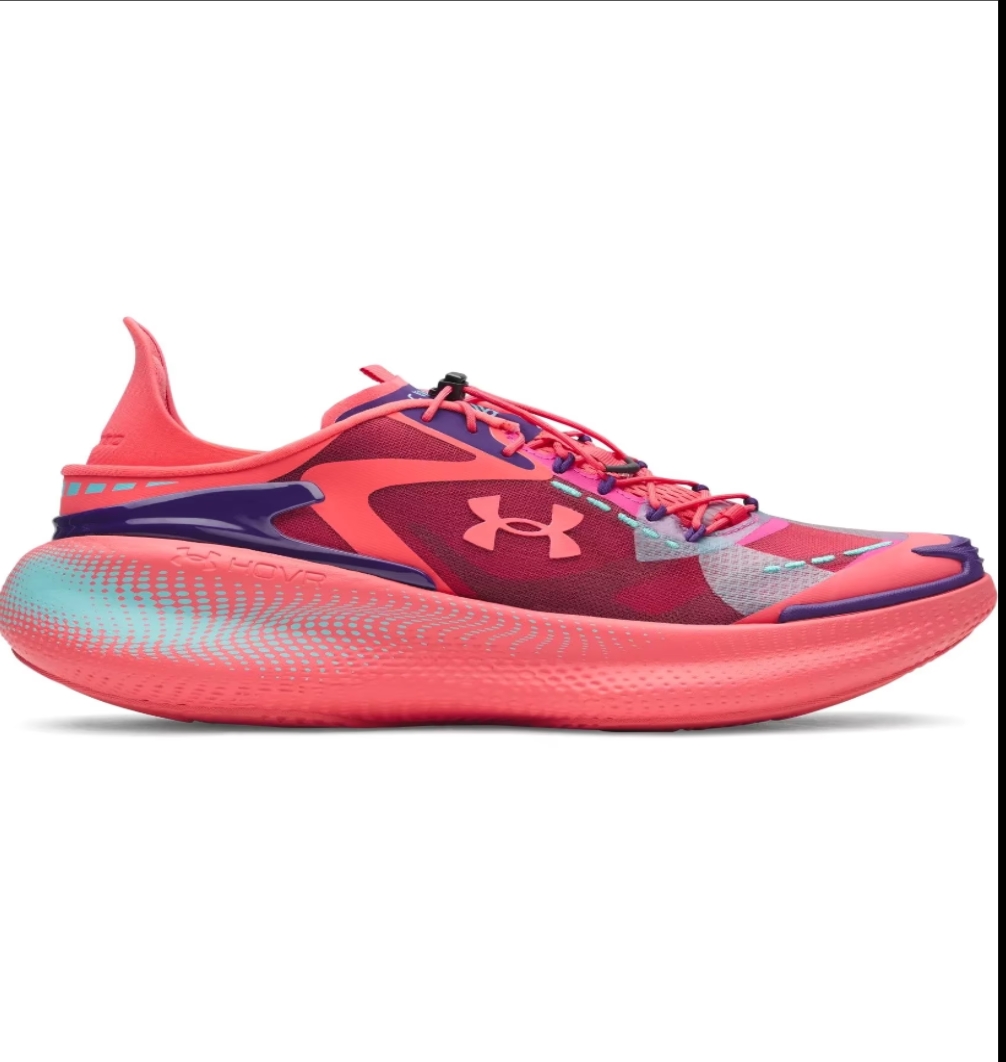



A long training session tests more than lungs and legs. It tests feet, and most of that pressure lands on one part of the shoe that rarely gets discussed: the upper. Cushioning and outsoles get most of the attention in shoe marketing, but the upper is what wraps the foot for the entire session. It decides whether toes swell and rub after forty minutes, whether shoes for women stay put during lateral drills, and whether feet feel damp and heavy by the end of a HIIT class. Understanding upper construction helps explain why two shoes for women with similar midsoles can feel completely different after an hour of movement.
What the Upper Does During Exercise
The upper is the part of the shoe built above the sole, covering the top, sides, and back of the foot. During a workout, it performs several jobs at once. It holds the foot in position over the midsole so that cushioning technology works the way it was designed to. It manages airflow and moisture so the skin does not sit in sweat. It flexes with the natural bend of the foot during a lunge, a sprint, or a squat, and it needs to do all this without adding bulk or heat.

Feet swell during exercise. Blood flow increases, temperature rises, and the tissue in the foot expands slightly, sometimes by half a size or more over the course of a long session. A rigid upper does not accommodate this change well. It stays tight in the same spots where it started tight, and those spots become blister zones. A well-engineered upper allows for some give in the forefoot while staying locked around the midfoot and heel, which is a balance that takes real design work to get right.
Why This Matters More for Shoes for Women Specifically
Women’s feet tend to have a narrower heel-to-forefoot ratio than a scaled-down men’s last, along with different arch height distribution on average. When an upper is built on a last shaped for these proportions rather than simply shrunk from a men’s pattern, the fit around the heel and midfoot tends to hold better through movement. This is one reason brands like Under Armour design shoes for women to fit with a narrower heel pocket and a roomier toe box, rather than resizing a unisex shoe. The upper shape and the last it is built on are just as important as the fabric itself.
Breathable Uppers and Why Airflow Changes Everything
Heat build-up inside a shoe is one of the fastest ways to turn a good workout uncomfortable. Once the microclimate inside the shoe gets warm and damp, friction increases, and friction is what causes blisters and hot spots, not just the shoe material itself.
A breathable upper is usually built from an open mesh or a perforated synthetic layer that lets air move in and out as the foot flexes. Every step compresses and releases the mesh slightly, acting almost like a small pump that pushes warm air out and pulls cooler air in. This is different from a solid, non-perforated upper, which traps heat with no way to release it.
Mesh uppers used in training and running shoes, including the mesh construction found across Under Armour’s HOVR and Charged lines, are built with this airflow function in mind. The mesh sits over the areas where the foot generates the most heat, typically the forefoot and the top of the midfoot, while denser material reinforces the heel and eyelets for structure.
Engineered Knit Fabrics and Precision Fit
Engineered knit uppers represent a shift away from cut-and-sew mesh panels toward a single knitted piece that changes density and structure across different zones of the shoe. A knitting machine can produce a tighter, less stretchy knit around the heel and a looser, more elastic knit across the top of the foot, all in one continuous piece of fabric with no seams to rub against skin.
This matters during long workouts because seams are a common source of irritation once feet start to swell and sweat. A knit upper with zone-specific tension can hug the arch, stay loose over the toes, and wrap snugly around the ankle collar, all without the pressure points that come from stitched panels overlapping each other.
Foot Lockdown and Why It Prevents Fatigue
Lockdown refers to how securely the upper holds the foot in place over the footbed, particularly around the midfoot and heel. Without good lockdown, the foot slides slightly inside the shoe with every stride or direction change. That micro-movement forces the smaller stabilizing muscles in the foot and ankle to work overtime just to keep balance, which shows up later as fatigue that has nothing to do with the actual workout.
Lockdown is usually achieved through a combination of features rather than one single design choice. Internal harnesses that connect the lacing system to the midsole, structured heel counters that cup the back of the foot, and asymmetrical lacing patterns that pull material toward the arch all contribute. Shoes built with a supportive base like UA TriBase pair a wide, stable platform with an upper designed to keep the foot centered on that platform, which is particularly useful during lifting sessions where sliding forward in the shoe can throw off form.
Ankle Collar Padding and Heel Slip
A well-padded ankle collar reduces heel slip, which is one of the most common complaints in shoes that otherwise fit correctly through the midfoot. Even a small amount of vertical heel movement during running or jumping can lead to blistering at the back of the ankle. Collar padding, along with a molded internal heel counter, keeps this area still even as the rest of the shoe flexes.
Closing Thoughts
Upper technology does not get the same spotlight as cushioning systems, but it shapes comfort just as much, sometimes more, once a workout runs long. Breathable mesh, zone-engineered knit, structured lockdown, and flex points that match natural foot movement all work together quietly in the background of every stride, squat, and sprint. Paying attention to how an upper is built, rather than just how it looks, is one of the more reliable ways to predict whether shoes for women will still feel good in the final ten minutes of a session, not just the first ten.