

• India CSR Awards 2026
  • India CSR Leadership Summit
  • Guest Posts
Monday, August 17, 2026
India CSR
  • Home
  • Corporate Social Responsibility
    • Art & Culture
    • CSR Leaders
    • Child Rights
    • Culture
    • Education
    • Gender Equality
    • Around the World
    • Skill Development
    • Safety
    • Covid-19
    • Safe Food For All
  • Sustainability
    • Sustainability Dialogues
    • Sustainability Knowledge Series
    • Plastics
    • Sustainable Development Goals
    • ESG
    • Circular Economy
    • BRSR
  • Corporate Governance
    • Diversity & Inclusion
  • Interviews
  • SDGs
    • No Poverty
    • Zero Hunger
    • Good Health & Well-Being
    • Quality Education
    • Gender Equality
    • Clean Water & Sanitation – SDG 6
    • Affordable & Clean Energy
    • Decent Work & Economic Growth
    • Industry, Innovation & Infrastructure
    • Reduced Inequalities
    • Sustainable Cities & Communities
    • Responsible Consumption & Production
    • Climate Action
    • Life Below Water
    • Life on Land
    • Peace, Justice & Strong Institutions
    • Partnerships for the Goals
  • Articles
  • Events
  • हिंदी
  • More
    • Business
    • Finance
    • Environment
    • Economy
    • Health
    • Around the World
    • Social Sector Leaders
    • Social Entrepreneurship
    • Trending News
      • Important Days
        • Festivals
      • Great People
      • Product Review
      • International
      • Sports
      • Entertainment
    • Case Studies
    • Philanthropy
    • Biography
    • Technology
    • Lifestyle
    • Sports
    • Gaming
    • Knowledge
    • Home Improvement
    • Words Power
    • Chief Ministers
No Result
View All Result
  • Home
  • Corporate Social Responsibility
    • Art & Culture
    • CSR Leaders
    • Child Rights
    • Culture
    • Education
    • Gender Equality
    • Around the World
    • Skill Development
    • Safety
    • Covid-19
    • Safe Food For All
  • Sustainability
    • Sustainability Dialogues
    • Sustainability Knowledge Series
    • Plastics
    • Sustainable Development Goals
    • ESG
    • Circular Economy
    • BRSR
  • Corporate Governance
    • Diversity & Inclusion
  • Interviews
  • SDGs
    • No Poverty
    • Zero Hunger
    • Good Health & Well-Being
    • Quality Education
    • Gender Equality
    • Clean Water & Sanitation – SDG 6
    • Affordable & Clean Energy
    • Decent Work & Economic Growth
    • Industry, Innovation & Infrastructure
    • Reduced Inequalities
    • Sustainable Cities & Communities
    • Responsible Consumption & Production
    • Climate Action
    • Life Below Water
    • Life on Land
    • Peace, Justice & Strong Institutions
    • Partnerships for the Goals
  • Articles
  • Events
  • हिंदी
  • More
    • Business
    • Finance
    • Environment
    • Economy
    • Health
    • Around the World
    • Social Sector Leaders
    • Social Entrepreneurship
    • Trending News
      • Important Days
        • Festivals
      • Great People
      • Product Review
      • International
      • Sports
      • Entertainment
    • Case Studies
    • Philanthropy
    • Biography
    • Technology
    • Lifestyle
    • Sports
    • Gaming
    • Knowledge
    • Home Improvement
    • Words Power
    • Chief Ministers
No Result
View All Result
India CSR
No Result
View All Result
Home Lifestyle

The Story Behind Karnataka’s Famous Davangere Benne Dosa

India CSR by India CSR
August 17, 2026
in Lifestyle
Reading Time: 7 mins read
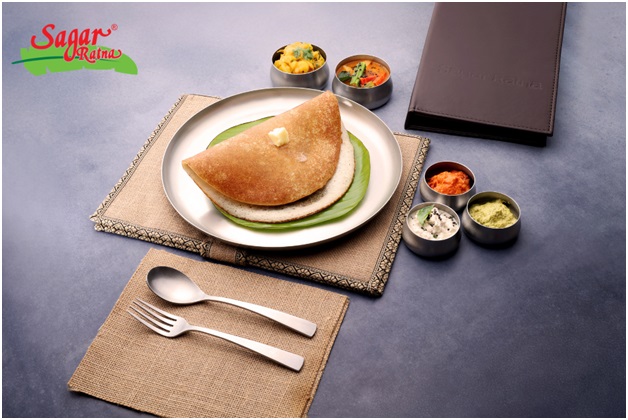
davangere benne dosa
Share Share Share Share
WhatsApp icon
WhatsApp — Join Us
Instant updates & community
Google News icon
Google News — Follow Us
Get our articles in Google News feed
india csr awards
ADVERTISEMENT

Benne dosa is a must-try dish for South Indian food lovers. Its golden crispiness and rich, buttery taste linger on your palate, making it too appetising. But not many know about its origin, as Davangere benne dosa, and that it is a dish born out of necessity.

From South to North India, benne dosa can be found in an authentic South Indian restaurant in Gurgaon.

19th India CSR Leadership Summit 2026
ADVERTISEMENT

Let’s discuss in this blog how a simple meal sold near a theatre in Davangere eventually became one of Karnataka’s most recognised contributions to South Indian cuisine.

A Dosa Closely Connected to Davangere

In Kannada, butter is called “benne”. But, Davangere benne dosa is not just an ordinary dosa with extra ghee spread over it.

Its character is derived from the batter, the thickness, the method of cooking, and the presentation. The dosa is crisp and golden brown on the outside and soft and slightly spongy in the middle.

It is typically served with coconut chutney and a mildly spiced potato palya. The accompaniments combine to match the richness of the butter without obscuring the flavour of the dosa.

Among the many types of dosas found across India, this one stands apart because it carries the name, history, and food identity of a single Karnataka city.

Davangere Benne Dosa Origin Story

Benne dosa is one of the most favourite breakfast dishes in Karnataka, but its story is not the story of a big restaurant, a celebrity chef, or a recipe born in a palace kitchen. It started with a migrant woman, Chennamma, a practical cook and mother, who began selling food in Davangere in the late 1920s to support her children.

She was a working mother who is said to have migrated with her family from the Beedaki village in the Belagavi region during the late-1920s. The family was seeking a way to make a living during a difficult period of drought and economic hardship.

Chennamma is said to have started a small food stall near the Savalagi Drama Theatre in Davangere sometime in 1927 or 1928. Late at night, the theatre drew crowds, giving her a steady stream of hungry patrons.

She sold dosas, chutney, potato dishes and other hearty food. Her stall helped to feed her children and eventually build a reputation for her cooking.

From that modest beginning, the dish grew into a regional icon and eventually a national food obsession.

The details of this history are based mainly on family accounts and stories passed through generations. There is limited archival evidence, but the Chennamma story remains the most widely accepted explanation of how Benne Dosa began.

The Earliest Version Was Different

The first dosa of Chennamma was probably not the dosa that people know today. Popular accounts have it that she used ragi because it was cheap, filling, and easily available.

The dosa came with ghee, chutney and plain sides. It proved a good, inexpensive meal for theatregoers, workers and the local community.

This early version shows how practical many of the classics of South Indian food used to be. They were developed to feed people well, with ingredients appropriate to the local economy and daily life.

The dish only developed its modern identity when the next generation began changing the recipe.

How the Recipe Evolved

By around 1938, Chennamma’s sons had become more involved in the family food business. They gradually replaced ragi with rice and introduced ingredients such as lentils and puffed rice.

Puffed rice helped give the dosa a softer and lighter centre. Rice and lentils created a familiar fermented base, while butter became the defining ingredient used during cooking.

This transformation produced the texture now associated with benne dosa. The dosa developed a crisp surface on the hot tawa, but it remained tender inside.

The butter was not merely added for decoration. It melted into the surface while the dosa cooked, creating its rich aroma, golden colour, and distinctive flavour.

This is where the dish moved beyond being one of many local types of dosas. It became a recognisable recipe with its own name and loyal following.

From One Stall to a Local Food Tradition

The family business is believed to have divided around 1944. Chennamma’s sons, including Shantappa and Mahadeveppa, continued the tradition through separate establishments in Davangere.

As demand grew, employees from early benne dosa eateries began opening their own shops. This helped the style spread across Davangere without remaining limited to one family outlet.

Soon, Benne Dosa became something that people visiting the city had to try. It became part of the daily culture and public identity of Davangere.

This growth matters because famous food traditions don’t often start from a single recipe. They come when a community as a whole learns, reproduces, adapts, and safeguards a particular way of cooking.

What Makes an Authentic Benne Dosa?

A dosa does not become authentic simply because butter has been placed on top. A proper Davangere benne dosa depends on several elements working together.

  • The Batter

Benne dosa batter is generally made from rice, lentils and puffed rice. It should ferment enough to give flavour and softness but not be too sour.

  • The Thickness

It’s spread a bit thicker than a thin paper dosa. The surface is crisp, but the centre will stay soft.

  • The Butter

The dosa is cooked, and a generous amount of butter is applied. It should melt over the surface and give flavour but not make the plate unpleasantly greasy.

  • The Accompaniments

Coconut chutney and potato palya are the traditional partners. Their mild spice and freshness help balance the richness.

  • The Cooking Surface

Older establishments are sometimes associated with firewood cooking and well-seasoned iron tawas. These methods can add gentle smokiness and an old-style character.

These details explain why Benne Dosa tastes different from a standard butter dosa. Its identity comes from the complete cooking method, not one ingredient alone.

How Benne Dosa Travelled Beyond Karnataka

As people moved between cities, their food memories travelled with them. Demand for regional dishes encouraged South Indian restaurants outside Karnataka to add benne dosa to their menus.

Today, versions can be found in Bengaluru, Delhi, Mumbai, Kolkata, and several other cities. Some remain close to the traditional style, while others introduce masala fillings or fusion toppings.

Diners are well-informed now due to the introduction of regional types of dosas. Now, many enquire about the batter, cooking style, origin, and side dishes before they order.

If you are looking for a South Indian restaurant in Gurgaon, you may get more than plain and masala dosa. Now, regional food is part of the broader culinary experience.

Similarly, large congregations are also adding regional breakfast menus, opening up the scope for catering services in Delhi NCR to serve authentic dosa stations, chutneys and freshly prepared accompaniments.

A familiar brand such as the Sagar Ratna restaurant helps introduce these regional flavours to diners beyond southern India while keeping the experience approachable.

A Dish That Continues to Change

Modern chefs have created several interpretations of the classic recipe. Some serve benne masala dosa, open dosa, cheese-filled versions, or smaller-tasting portions.

These variations may attract new diners, but the traditional style remains the reference point. Without the soft centre, crisp surface, butter-rich finish, chutney, and palya, much of the original character is lost.

This balance between tradition and change is common across South Indian food. Recipes travel, adapt, and take new forms, but their origins still matter.

A thoughtful South Indian restaurant can offer innovation while explaining what separates the new version from the original.

More Than a Butter Dosa

The story of benne dosa is one of endurance, family business, and slow reinvention. Chennamma’s tiny stall next to the theatre was not designed to make a famous regional dish.

It began as a practical way to earn a living and feed customers. Her sons later refined the recipe, family businesses carried it forward, and local cooks helped turn it into a city-wide tradition.

Today, Davangere benne dosa is more than just butter and batter. It holds the memory of one woman’s effort, one family’s adaptation, and a city that took the dish and made it its own. That history is what gives every authentic plate its deeper flavour.


Tags: Sagar Ratna RestaurantSouth Indian FoodSouth Indian RestaurantSouth Indian Restaurant in GurgaonTypes of Dosas
SETU Bandhan
ADVERTISEMENT
India CSR Image 1 India CSR Image 2

CSR, Sustainability, and ESG success stories hindustan zinc
ADVERTISEMENT
India CSR

India CSR

India CSR® is the largest media on CSR and sustainability offering diverse content across multisectoral issues on business responsibility. It covers Sustainable Development, Corporate Social Responsibility (CSR), Sustainability, and related issues in India. Founded in 2009, the organisation aspires to become a globally admired media that offers valuable information to its readers through responsible reporting.

Related Posts

India CSR
Lifestyle

7 Things to Know Before Choosing Egg Freezing

India CSR
Lifestyle

How Upper Technology of Shoes for Women Affects Comfort During Long Workouts

Hair Serum Actually Work
Lifestyle

The Active Ingredients that Make a Hair Serum Actually Work

India CSR
Lifestyle

4-Step Monsoon Care Tips For Healthy, Glowing Skin & Hair All Season Long

Human Hair Wigs
Lifestyle

Undetectable Hair Trends: Why Human Hair Wigs Are Rising

Style Essentials Hoodie
Lifestyle

How to Style an Essentials Hoodie for Every Season

Load More
bba
ADVERTISEMENT

Interviews

Akanksha Sharma, Vice President – Sustainability, Subcontinent, Central Asia, Levant and; Egypt DP World
Interviews

DP World’s Sustainability Strategy: Building Greener, Inclusive Logistics in India

by India CSR

Responsible leadership means taking a long-term view, acting with transparency and ensuring that growth creates value for people, communities and...

Read moreDetails
Dr. V.K. Raju

Every Premature Baby Deserves the Right to Sight: Dr. V.K. Raju, Chairman, Goutami Eye Institute & Founder, Eye Foundation of America

India CSR Interview with George Muthoot George, Deputy Managing Director of Muthoot Finance

Muthoot Finance CSR Is About Empowerment, Not Dependency: George Muthoot George

Hardeep S. Brar - BMW Group India CEO

Skills Are the Starting Line, Jobs Are the Finish Line: BMW Group India CEO Hardeep S. Brar

Load More
Ad 1 Ad 2 Ad 3 Ad 4 Ad 5 Ad 6
ADVERTISEMENT

CSR UPDATES

Mega CSR Healthcare Project: Chhattisgarh Gets Six REC-Supported Mobile Medical Units Worth Rs 7.21 Crore

CSR: SBI Funds Management and VisionSpring Foundation Launch Mobile Eye-Care Vans to Screen 10,000 People Annually

CSR: Hindustan Zinc Touches 2.6 Million Lives Through Rural Development

CSR: GMRVF Skill Development Centre Aims to Train up to 1,000 Youth Annually

Bharat Forge Releases CSR Report 2025-26, Highlights Impact Across Rural India

Jindal Steel Spends Rs 175.84 Cr on CSR in FY 2025-26

STEM Learning STEM Learning STEM Learning
ADVERTISEMENT
Facebook Twitter Youtube LinkedIn Instagram
India CSR Logo

India CSR is the largest tech-led platform for information on CSR and sustainability in India offering diverse content across multisectoral issues. It covers Sustainable Development, Corporate Social Responsibility (CSR), Sustainability, and related issues in India. Founded in 2009, the organisation aspires to become a globally admired media that offers valuable information to its readers through responsible reporting. To enjoy the premium services, we invite you to partner with us.

Follow us on social media:

Subscribe to Our Newsletter

Don't miss out on the latest updates in corporate social responsibility. Subscribe to our newsletter at indiacsr.in and be part of the positive change.
Please enable JavaScript in your browser to complete this form.
Loading

  • About India CSR
  • Team
  • India CSR Awards 2026
  • India CSR Leadership Summit
  • Partnership
  • Guest Posts
  • Services
  • ESG Professional Network
  • Content Writing Services
  • Business Information
  • Contact
  • Privacy Policy
  • Terms of Use
  • Donate

Copyright © 2026 - India CSR | All Rights Reserved

18th CSR Leadership Summit 2026
APPLY NOW
No Result
View All Result
  • Home
  • Corporate Social Responsibility
    • Art & Culture
    • CSR Leaders
    • Child Rights
    • Culture
    • Education
    • Gender Equality
    • Around the World
    • Skill Development
    • Safety
    • Covid-19
    • Safe Food For All
  • Sustainability
    • Sustainability Dialogues
    • Sustainability Knowledge Series
    • Plastics
    • Sustainable Development Goals
    • ESG
    • Circular Economy
    • BRSR
  • Corporate Governance
    • Diversity & Inclusion
  • Interviews
  • SDGs
    • No Poverty
    • Zero Hunger
    • Good Health & Well-Being
    • Quality Education
    • Gender Equality
    • Clean Water & Sanitation – SDG 6
    • Affordable & Clean Energy
    • Decent Work & Economic Growth
    • Industry, Innovation & Infrastructure
    • Reduced Inequalities
    • Sustainable Cities & Communities
    • Responsible Consumption & Production
    • Climate Action
    • Life Below Water
    • Life on Land
    • Peace, Justice & Strong Institutions
    • Partnerships for the Goals
  • Articles
  • Events
  • हिंदी
  • More
    • Business
    • Finance
    • Environment
    • Economy
    • Health
    • Around the World
    • Social Sector Leaders
    • Social Entrepreneurship
    • Trending News
      • Important Days
      • Great People
      • Product Review
      • International
      • Sports
      • Entertainment
    • Case Studies
    • Philanthropy
    • Biography
    • Technology
    • Lifestyle
    • Sports
    • Gaming
    • Knowledge
    • Home Improvement
    • Words Power
    • Chief Ministers

Copyright © 2026 - India CSR | All Rights Reserved

This website uses cookies. By continuing to use this website you are giving consent to cookies being used. Visit our Privacy and Cookie Policy.
