


India’s Young Millionaires Are Rewriting the Rules of Giving
By Amitabh Jaipuria & Dr. Preethi Jain
India’s economic rise has created not only new billionaires, but also a striking surge of young millionaires—professionals, entrepreneurs, and innovators under 40 who have created wealth at a pace never seen before. Many of them are choosing to deploy this prosperity differently from the generations that preceded them. Instead of waiting until retirement or succession, they are stepping into philanthropy now. Instead of cheque-writing, they are demanding evidence. And instead of one-off generosity, they are backing systemic, long-term change.
This is evidence-based philanthropy: a new way of giving shaped by the entrepreneurial spirit, data-driven decision-making, and the impatience of youth. It is also one of the most exciting shifts underway in India’s philanthropic ecosystem.
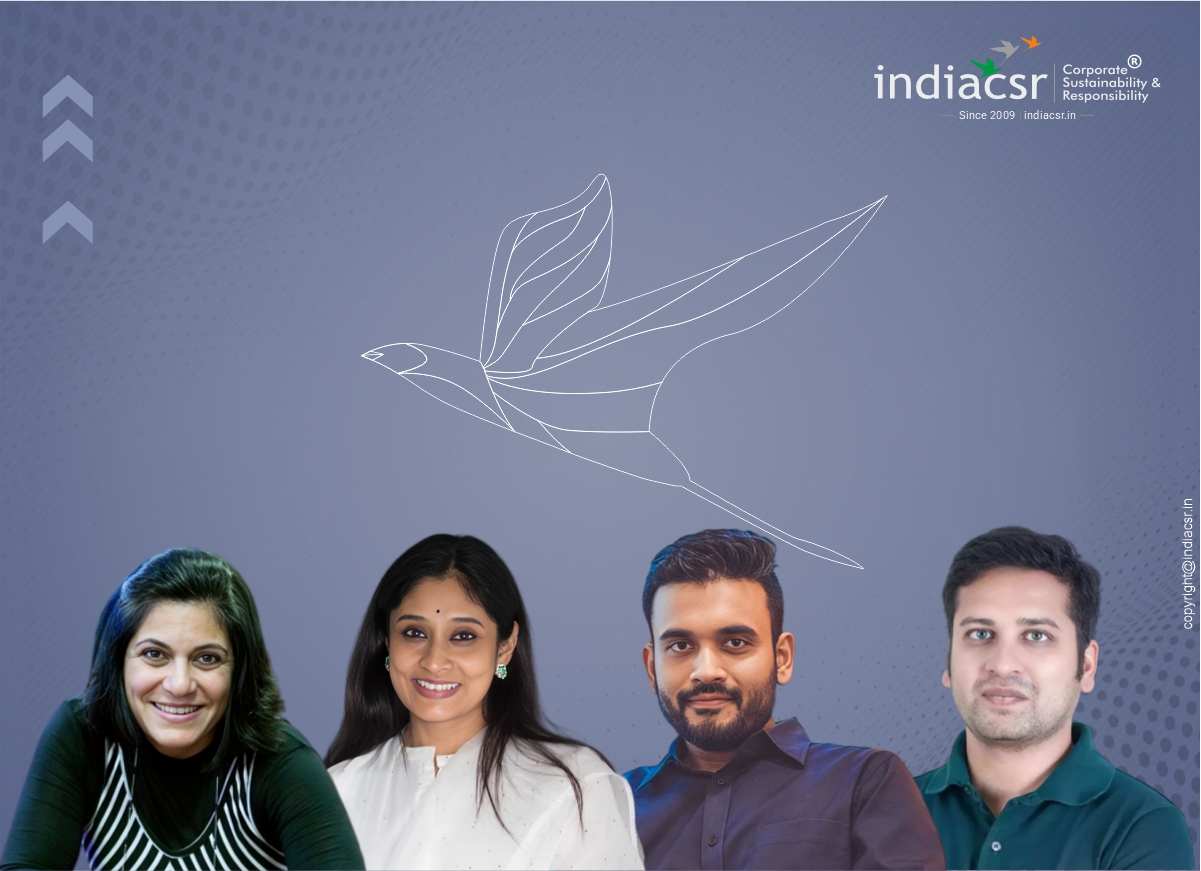
Rashmi Bansal’s Live to Give, an anthology of 16 philanthropists’ journeys, captures this transformation vividly. Among the stories, four young philanthropists stand out for how they are reimagining impact: Dr. Sunita Maheshwari, Ankit Nagori, Binny Bansal, and Swathi Kantamani.
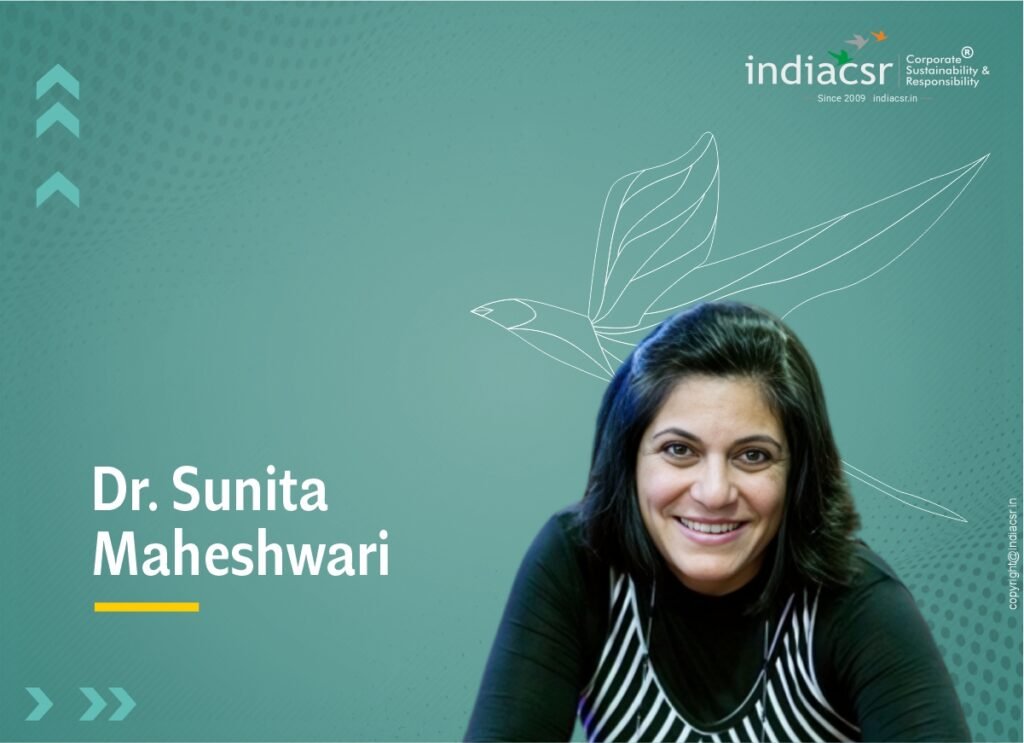
Dr. Sunita Maheshwari: Medicine Meets Mission
Dr. Sunita Maheshwari, a Yale-trained paediatric cardiologist, could easily have confined her career to prestigious hospitals abroad. Instead, she chose to return and pioneer telemedicine in India, making world-class care accessible to children in remote towns and villages.
Her philanthropic efforts were born from a clinician’s frustration: why should geography decide whether a child lives or dies? By building systems that leverage technology, partnerships, and training, she has shown how philanthropy rooted in professional expertise can scale impact far beyond individual patients.
Her story underlines a key principle of evidence-based philanthropy: expertise matters. When givers back causes where they bring knowledge and networks in addition to money, the result is durable change.
***
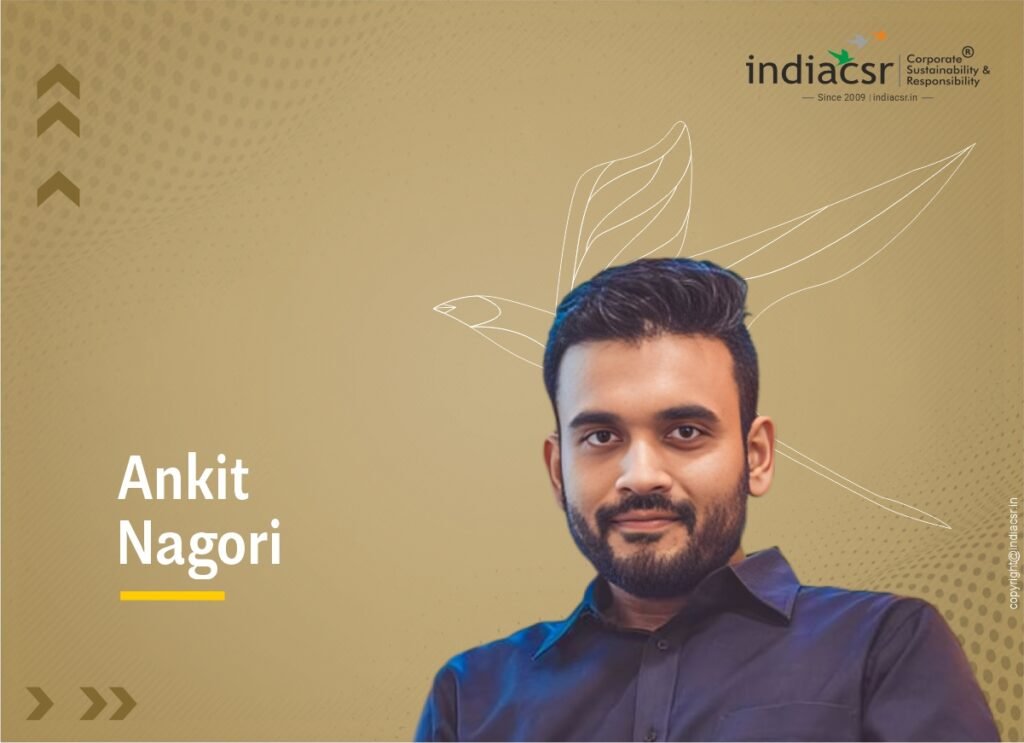
Ankit Nagori: Starting Early, Starting Small
At just 36, Ankit Nagori, co-founder of CureFit and founder of the Simply Sport Foundation, embodies the urgency of youth in philanthropy. He often challenges peers who think giving can wait until later in life: “Most people think, I will do it later. But it’s never too early. Had I started later in life I would have had more money, but more money doesn’t equate to more impact.”
Instead of elite academies, his foundation invests in grassroots sports—local coaches, infrastructure, and training that give thousands of children access to structured play. He applies the same start-up mindset he used in business: run pilots, learn quickly, refine the model, then scale.
The lesson here is clear: just as compounding grows wealth, compounding philanthropic effort amplifies impact. By starting early, young donors create space for learning, experimentation, and systemic influence.
***
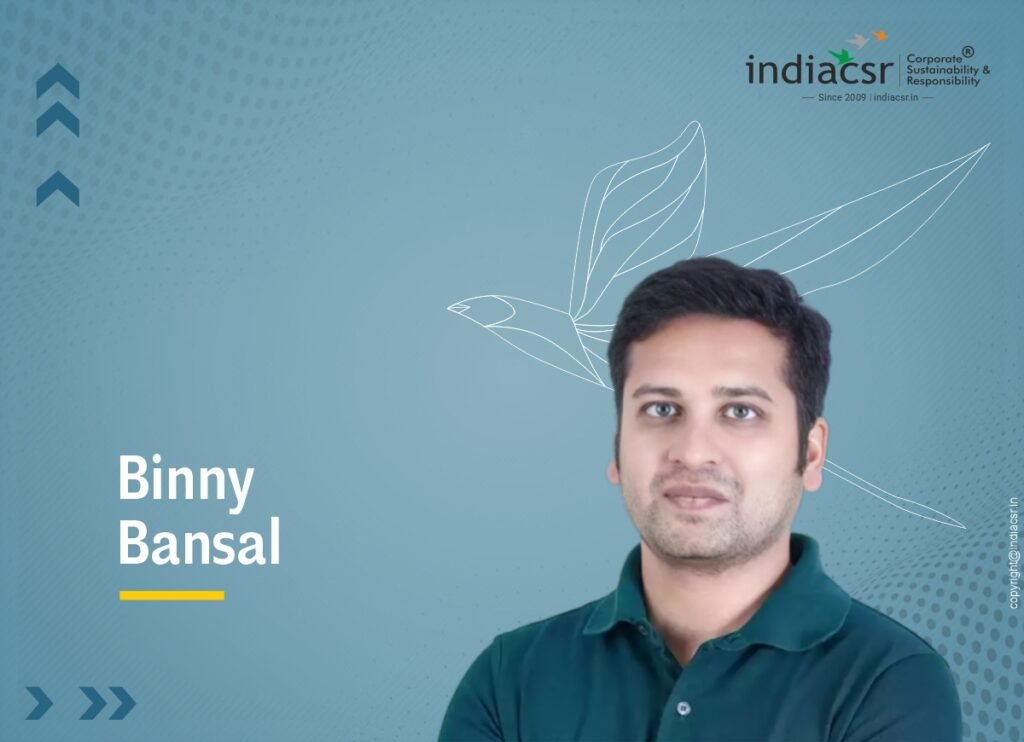
Binny Bansal: Building Platforms, Not Projects
Rather than funding isolated interventions, he supports data infrastructure, tech-enabled tools for educators, and scalable knowledge systems. This is philanthropy designed for leverage. Each rupee doesn’t just deliver one project’s worth of results, it strengthens entire ecosystems where multiple NGOs and governments can build.
As co-founder of Flipkart, Binny Bansal transformed Indian e-commerce. In philanthropy, his instinct is the same: build platforms that others can plug into.
Bansal’s approach reflects a defining trait of young entrepreneurial philanthropists: they think in terms of platforms, networks, and infrastructure. The goal is not charity, but catalytic systems change.
***
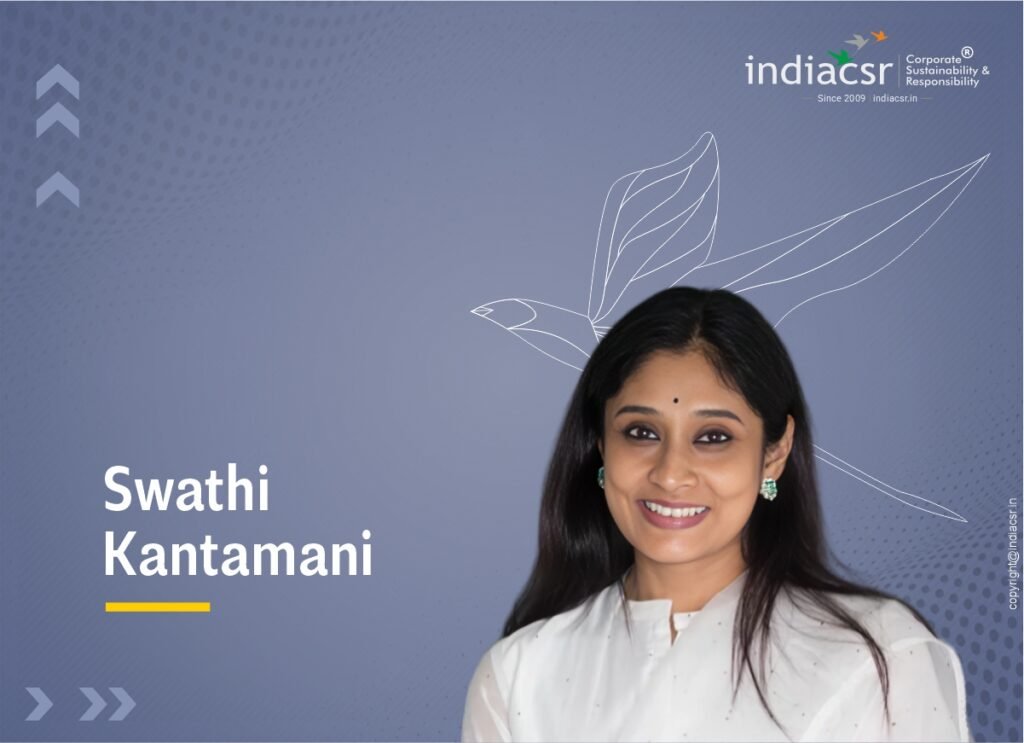
Swathi Kantamani: Passion Grounded in Data
Swathi Kantamani took over her family’s foundation in Telangana with both passion and pragmatism. Her motivation was deeply personal: “I felt I had the privilege of resources, and I wanted to use them where the need was greatest—among the poorest of the poor.”
But her philanthropy is far from sentimental. She relies on data and baseline studies to identify gaps, then builds operational muscle to sustain interventions. Her giving spans education, nutrition, and women’s empowerment—sectors where systemic inequities demand long-term commitment.
Kantamani exemplifies how young philanthropists blend heart and head: personal purpose fuels their drive, while evidence ensures their efforts deliver results.
***
Standing on the Shoulders of Giants
While these younger donors are reshaping the landscape, they are not starting from scratch. Older philanthropists have laid the groundwork. Ajit Isaac reminds peers to “start before you hit 50.” The Shibulals demonstrated how a small scholarship initiative could grow into Vidyadhan, a national platform. The Bagchis showed how building institutions—schools, hospitals, skill ecosystems—creates durable social capital.
The younger generation is learning from these precedents, but also pushing the boundaries further by bringing speed, digital tools, and a willingness to take risks.
***
What Makes Young Millionaires Different?
Three qualities stand out in their philanthropy:
- Immediacy. They refuse to wait for retirement. Their giving runs parallel to wealth creation.
- Evidence. They rely on data, pilots, and measurable outcomes to design interventions.
- Ecosystem Thinking. They fund platforms and institutions rather than one-off projects.
For leaders and policymakers, this matters. It signals a shift in how India’s philanthropic ecosystem will evolve: more rigorous, more collaborative, and more systemic.
***
A Call to Action for India’s Young Wealth Creators
For today’s young millionaires, the most important step is not how much you give, but when and how you begin. The lesson from peers like Ankit Nagori, Binny Bansal, Swathi Kantamani, and Dr. Sunita Maheshwari is clear: start early, anchor your giving in evidence, and think in terms of institutions and ecosystems, not one-off projects.
Use your entrepreneurial instincts to test, measure, and scale but pair them with humility and trust in changemakers on the ground. Philanthropy is not a side project to be postponed; it is a parallel journey that compounds in value over time.
For India’s emerging wealth creators, giving is not about parting with capital. It is about gaining purpose, building legacy, and shaping the future of a nation.
***
About the Authors
Amitabh (CEO, AIP) is an XLRI alumnus with over 33 years of corporate experience as a versatile and seasoned business leader across sectors and service areas. He has been actively involved in enabling initiatives and networks like SVP. He is building and shaping AIP into a leading platform for strategic personal philanthropy in India by creating a clear strategy, nurturing the team, and developing a network of philanthropists and experts to help them achieve their goals.
Preethi (Philanthropy Partner, India—South, AIP) is a medical doctor with a management degree. Her extensive experience in leadership positions spans across healthcare, sustainability, and community impact. She is driven in her commitment to enhance and expand the culture of giving in India. At AIP, Preethi is in the forefront of fostering purposeful engagements with UHNIs and their families in the South of Inda to grow and nurture the AIP peer network of philanthropist in the region.
(India CSR)