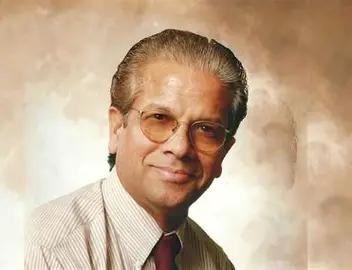


In this exclusive conversation, Dr V.K. Raju explains why protecting the sight of premature babies must become an integral part of India’s progress in neonatal care.
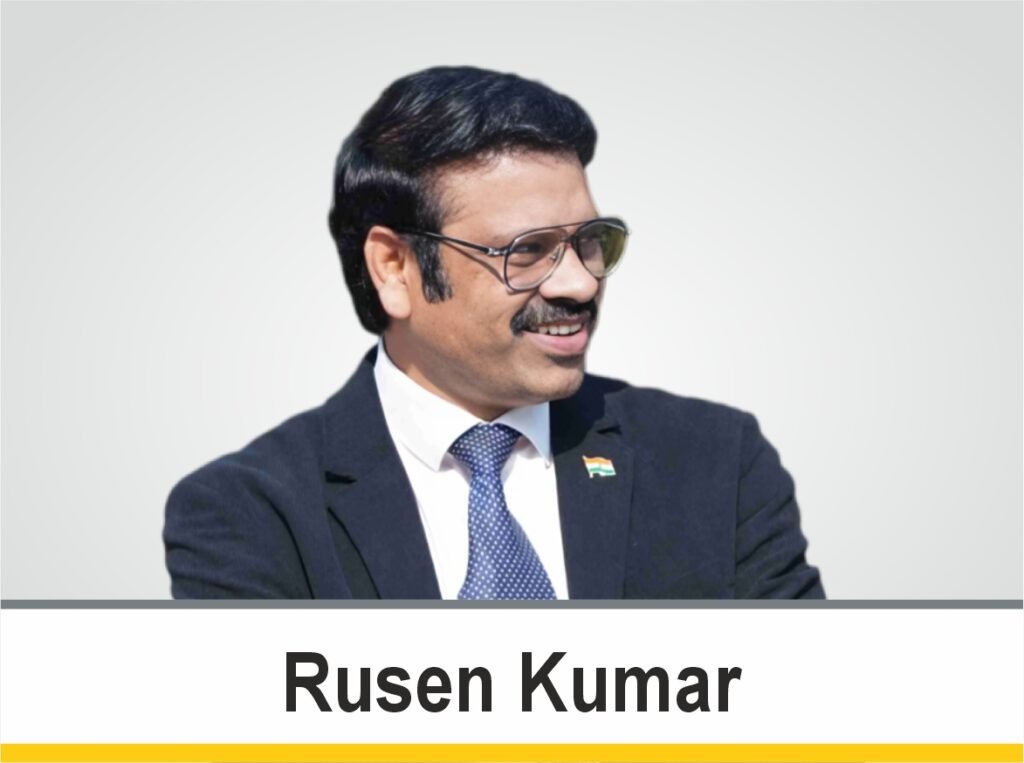
By Rusen Kumar
NEW DELHI (India CSR®): India has made remarkable progress in reducing infant mortality over the last two decades. However, a silent epidemic is emerging alongside this success—Retinopathy of Prematurity (ROP), a preventable disease that can permanently blind premature babies if not detected and treated in time. Today, we are privileged to speak with one of the world’s most respected ophthalmologists and humanitarian leaders, Dr. V.K. Raju, Chairman of Goutami Eye Institute, Founder of the Eye Foundation of America, Clinical Professor of Ophthalmology at West Virginia University, USA, Adjunct Professor at Wilmer Eye Institute, Johns Hopkins University and a pioneer who has dedicated nearly five decades to preventing avoidable blindness globally.
Goutami Eye Institute has developed one of India’s leading ROP programs and has screened thousands of premature babies through partnerships with governments, hospitals, Rotary, Lions, corporates and development organizations. The institute’s broader mission is to eliminate avoidable blindness through affordable care, outreach, education and research.
Excerpts of an interview:
Thank you for joining us. To begin, could you explain what Retinopathy of Prematurity (ROP) is and why it deserves national attention?
ROP is one of the few causes of childhood blindness that is almost entirely preventable if diagnosed and treated early. It affects babies born prematurely, particularly those with low birth weight. Because the retinal blood vessels are still developing when these babies are born, abnormal vessel growth can occur. If untreated, this can lead to retinal detachment and irreversible blindness. Ironically, as neonatal care improves and more premature babies survive, the number of babies at risk for ROP also increases. This means that saving a baby’s life is only the first step. Saving that baby’s vision must become the next priority.
How serious is the ROP challenge in India?
India has one of the world’s largest numbers of preterm births every year. Thousands of these infants require timely retinal screening. Unfortunately, many babies are discharged from NICUs without ever receiving an eye examination. ROP progresses silently. Parents do not notice anything wrong until vision has already been permanently damaged. Unlike cataract, glaucoma or refractive errors, once advanced ROP causes retinal detachment, vision often cannot be restored. This is why awareness among neonatologists, pediatricians, nurses and parents is absolutely essential.
Why do so many babies still become blind when treatment exists?
Three major reasons. First, lack of awareness. Many parents simply do not know their premature baby requires an eye examination. Second, shortage of trained retinal specialists. ROP screening requires highly specialized expertise. Third, unequal access. Many district hospitals and rural NICUs still do not have regular screening services. The challenge is not medical science. The challenge is reaching every eligible baby at the right time.
What inspired you to make ROP one of your life’s missions?
As an ophthalmologist, I have seen countless adults lose vision. But when you see a baby who has lost sight before even seeing the world, it changes you forever. Blindness in a newborn is not simply an eye problem. It affects education. Employment. Family income. Mental health. Quality of life. Society bears that cost for decades. Preventing blindness at birth is one of the highest-return investments any country can make.
Tell me about Goutami Eye Institute’s ROP program.
Our philosophy is simple: No premature baby should become blind because screening was unavailable. Over the years we have built an integrated ROP ecosystem consisting of:
- NICU partnerships
- Neonatal screening protocols
- Retina specialists
- Laser treatment facilities
- Anti-VEGF therapy where indicated
- Tele-screening
- Parent counselling
- Capacity building
- Follow-up systems
Today, our ROP network reaches multiple hospitals across Andhra Pradesh and other regions, and continues to expand through partnerships. The institute has made ROP one of its flagship pediatric eye-care priorities.
What impact has Goutami Eye Institute achieved so far?
We are humbled by the journey. Our institute has:
- Screened & Treated over 41,000 premature babies through its current reported ROP program.
- Successfully treated hundreds of babies requiring urgent intervention.
- Built one of India’s recognized ROP referral programs.
- Expanded neonatal eye care beyond metropolitan cities into underserved regions.
Beyond ROP, Goutami Eye Institute has screened more than one million adults and over 15,00,000 children through its wider eye-care programs, reflecting our commitment to community eye health.
How does technology help expand ROP services?
Technology is transforming neonatal eye care. Today we use:
- Digital retinal imaging
- Portable ROP cameras
- Telemedicine
- Artificial Intelligence research
- Cloud-based image sharing
- Electronic patient tracking
Technology enables one specialist to support multiple NICUs across vast geographic areas. That is the future.
Can AI replace ophthalmologists?
AI will never replace compassionate doctors. But it will make good doctors even better. AI can prioritize high-risk babies. It can reduce delays. It can improve consistency. Ultimately, clinical judgment will always remain essential.
Goutami Eye Institute has formed many partnerships. Why are partnerships so important?
No single organization can eliminate childhood blindness alone. We need an ecosystem. Government. Medical colleges. Corporate CSR. NGOs. International foundations. Rotary. Lions. Freemasons. Academic institutions. Technology companies. Media. Parents. Everyone has a role. That is exactly why Goutami Eye Institute and Eye Foundation of America have actively built collaborations with organizations such as Rotary International, Lions, Freemasons, CSR partners, hospitals and development organizations to scale ROP awareness and services.
Could you tell us about some of the new initiatives currently underway?
We are expanding our work in several exciting directions. Goutami Eye Institute & Eye Foundation of America continue to work together to expand national collaborations supporting childhood blindness prevention.These include:
- Expansion of district-level ROP centres
- Strengthening NICU partnerships
- Mobile pediatric eye care
- Tele-ROP services
- Training more ophthalmologists
- Training neonatal nurses
- Parent awareness campaigns
- International knowledge exchange
- Digital ROP registry
- AI-assisted screening
How important is CSR in solving this challenge?
CSR can completely transform pediatric eye care. Unlike many health interventions, ROP delivers measurable impact. A single corporate investment can help:
- Purchase retinal imaging equipment
- Train specialists
- Support screening camps
- Establish district ROP centres
- Save thousands of babies from blindness Few CSR investments create such lifelong impact.
What message would you like to give Indian corporates?
Think beyond charity. Think about creating a national legacy. If India eliminates avoidable childhood blindness, history will remember those who made it possible. Corporate India has both the resources and the responsibility to become partners in this movement.
What role can government play?
Government leadership is indispensable. I would recommend:
- Universal ROP screening policy
- Mandatory screening before NICU discharge
- Dedicated funding
- Specialist training
- Digital monitoring
- Public awareness
If implemented nationally, India can become a global leader in preventing ROP blindness.
What advice would you give parents of premature babies?
Please remember one sentence. A healthy-looking baby can still have a sight-threatening retinal disease. Never miss the first retinal examination. Never skip follow-up appointments.ROP progresses rapidly. Every week matters. Sometimes every day matters.
What are your long-term goals for Goutami Eye Institute?
Our vision extends far beyond one hospital. We want Goutami Eye Institute to become a national centre of excellence in pediatric eye care, ROP, training, research and innovation.
We envision:
- A nationwide ROP network
- International fellowship programs
- AI-supported screening
- Public-private partnerships
- Research leadership
- Community outreach
- Capacity building Our dream is simple: No child should lose vision because of where they were born.
Eye Foundation of America has often spoken about “World Without Childhood Blindness.” How does ROP fit into that vision?
ROP is central to that vision. If we truly want a World Without Childhood Blindness, we cannot ignore the smallest and most vulnerable children.
Every premature baby deserves:
- Survival
- Sight
- Education
- Opportunity
- Dignity
This is not merely an eye-care mission. It is a human development mission.
Finally, Dr. Raju, what message would you like to leave with our readers?
Blindness prevented is a lifetime transformed. When a premature baby receives timely treatment, we are not simply saving vision. We are protecting education. Employment. Confidence. Independence. Human potential. I invite governments, hospitals, corporations, philanthropists, medical professionals and citizens to join us. Together, we can ensure that every child has the opportunity to see the world—and to realize their dreams.
Dr. V.K. Raju’s vision extends beyond medicine. His work demonstrates how innovation, partnerships and compassionate leadership can address one of India’s most preventable causes of childhood blindness. As India strengthens neonatal care, integrating universal ROP screening into every NICU is both a public health necessity and a moral imperative. The work of Goutami Eye Institute, together with its partners, offers a scalable model for protecting the sight of the country’s most vulnerable newborns.
© Copyright Disclaimer: All rights reserved. No part of this report may be reproduced, republished, distributed or transmitted in any form without prior written permission from India CSR®.