

Grace Cancer Foundation plans Social Stock Exchange listing and AI-enabled national cancer-screening expansion
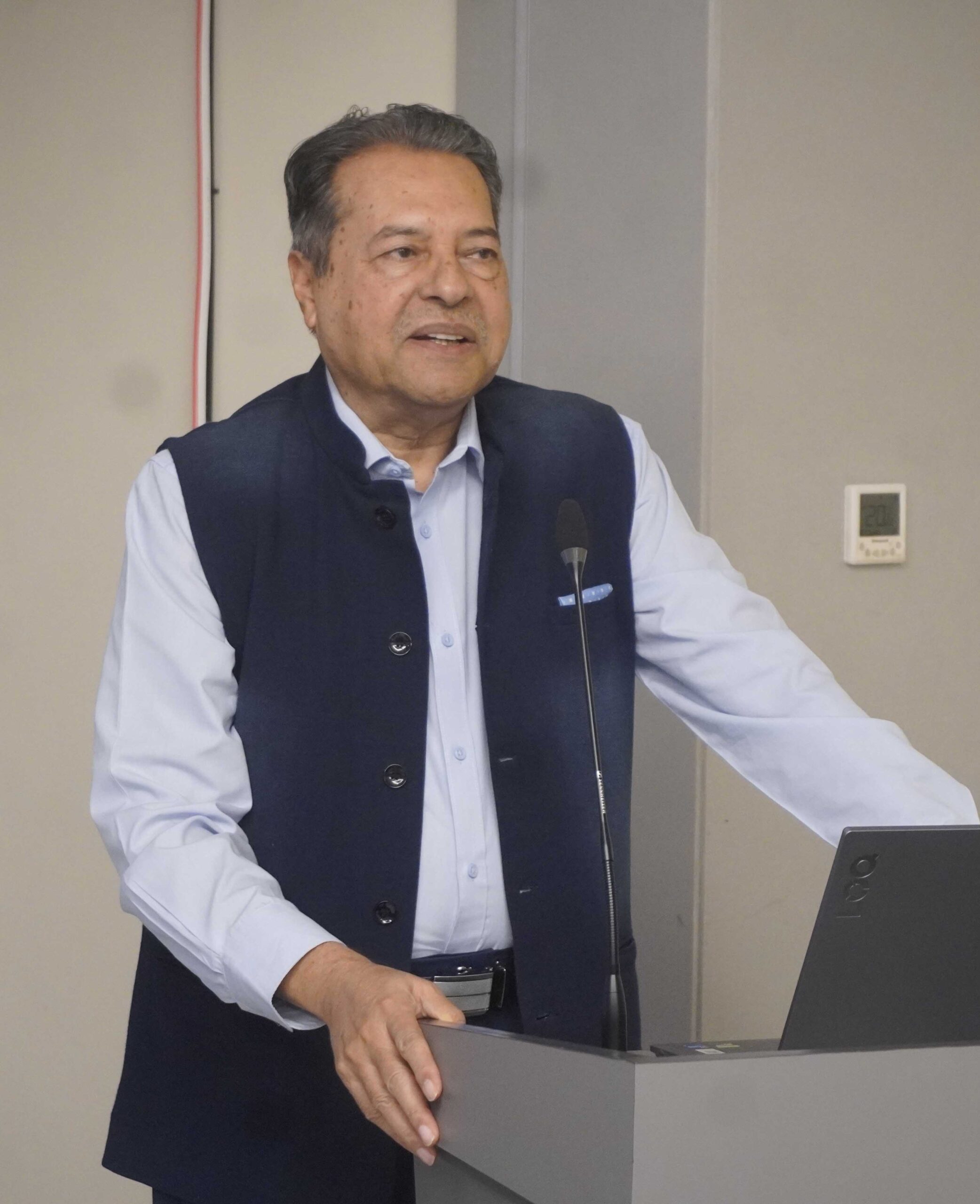
HYDERABAD (India CSR): India’s Corporate Social Responsibility (CSR) ecosystem is expected to grow to Rs. 75,000 crore within the next three years and eventually cross Rs. 1 lakh crore, driven by economic expansion and rising corporate profitability, Dr. Bhaskar Chatterjee, IAS (Retd.), said on Wednesday. Widely regarded as one of the principal architects of India’s CSR framework, Dr. Chatterjee said CSR had developed into a significant development sector capable of transforming lives across the country.
He was addressing a knowledge session titled “CSR Meets the Social Stock Exchange: A Journey Ahead”, organised by EQUIPPP Social Impact Technologies Limited at Yashoda Hospitals, Hitec City, Hyderabad. More than 100 corporate leaders, non-profit representatives, philanthropists, impact investors, academicians and development professionals attended the session, which explored new approaches to financing social causes through CSR, philanthropy and the Social Stock Exchange (SSE).
Expanding CSR Sector
“The fundamental objective of CSR is to serve the underserved,” Dr. Chatterjee said. Recalling the introduction of mandatory CSR provisions under the Companies Act, 2013, he said approximately 8,000 companies were initially expected to fall within the framework, collectively generating around Rs. 9,000 crore annually for social development. According to Dr. Chatterjee, the CSR landscape has since expanded considerably, with more than 30,000 companies now coming under its ambit and annual contributions crossing Rs. 40,000 crore.
“When I drafted the CSR provisions in the Companies Act, I never imagined the sector would grow to its present scale. Today, CSR has evolved into a significant development sector that is transforming lives across the country,” he said. He projected that the ecosystem could reach Rs. 75,000 crore within three years before eventually exceeding Rs. 1 lakh crore.
Collaboration Opportunities
Highlighting the scale of India’s voluntary sector, Dr. Chatterjee said the country has nearly 3.3 million registered non-governmental organisations. This, he said, presents substantial opportunities for meaningful partnerships between companies and civil society organisations. Such partnerships could help corporations direct resources towards underserved communities while enabling non-profits to expand proven interventions in healthcare, education, livelihoods, environmental sustainability and rural development.
Dr. Chatterjee also referred to recent policy developments aimed at making social financing more accessible and accountable. He said the Ministry of Corporate Affairs had simplified the registration process for eligible non-profits seeking CSR support. He further highlighted the emerging role of Zero Coupon Zero Principal instruments listed on the Social Stock Exchange as a channel for transparent social financing.
India has nearly 3.3 million registered NGOs, creating enormous opportunities for collaboration between corporates and civil society organisations: Chief Architect of CSR Framework
Foundation Eyes Listing
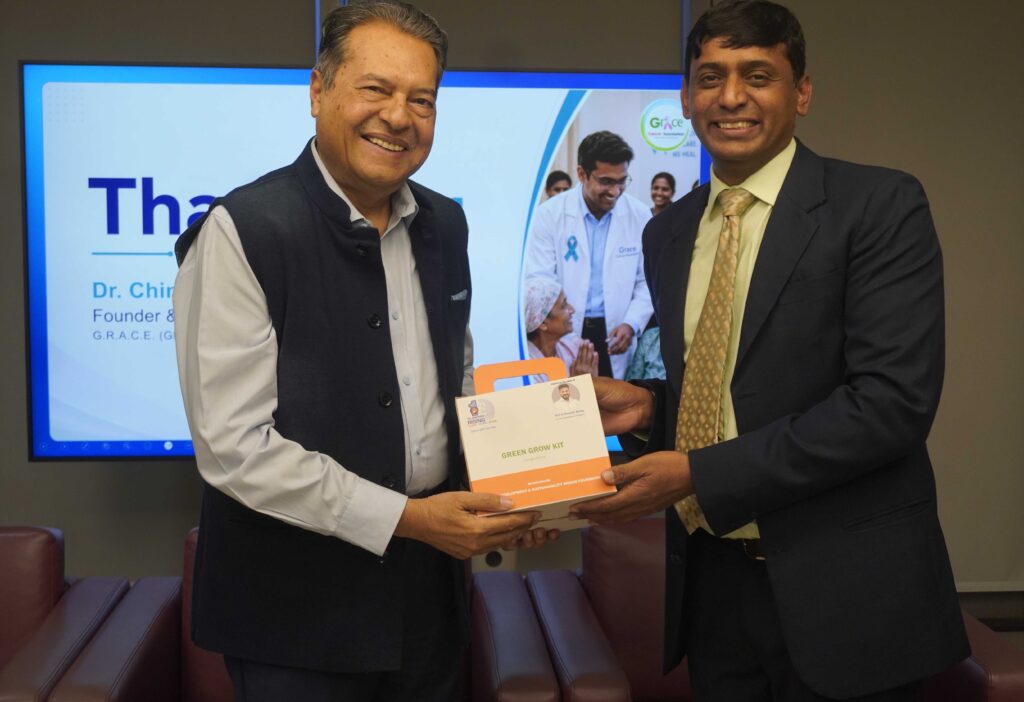
During the session, Grace Cancer Foundation announced that it was preparing to list on the Social Stock Exchange. The organisation also unveiled plans to establish a Centre of Excellence for Preventive Oncology and expand its cancer and non-communicable disease screening programmes nationally. Dr. Chinnababu Sunkavalli, Founder of Grace Cancer Foundation, said the proposed SSE listing was not intended merely to raise funds. It would also help the Foundation strengthen its governance, transparency, compliance systems and impact measurement.
“Our objective is to ensure that every rupee entrusted to us delivers measurable outcomes,” Dr. Sunkavalli said. The Foundation plans to launch a Preventive Health Mission focusing on early cancer detection and preventive healthcare supported by artificial intelligence. Its proposed initiatives include expanding the fleet of mobile screening units, making the units fully AI-enabled, strengthening last-mile healthcare delivery and developing digital health platforms for rural communities. It also plans to conduct collaborative research in preventive oncology and scale cancer and NCD screening across India.
Today, CSR has evolved into a significant development sector that is transforming lives across the country: Dr Bhasker Chatterjee
Transparent Social Finance
Presenting the context for the discussion, Sai Kiran of EQUIPPP explained that the Social Stock Exchange is a Securities and Exchange Board of India-regulated platform through which eligible non-profit organisations and social enterprises can mobilise funds transparently. Unlike conventional stock exchanges, where businesses raise capital from investors seeking financial returns, the SSE enables donors and impact investors to support eligible social organisations under defined governance, disclosure and impact-reporting requirements.
“EQUIPPP is committed to building technology-enabled platforms that connect governments, corporates, NGOs, philanthropists and impact investors, making social finance more transparent, measurable and effective,” he said. The session offered participants practical insights into SSE listing procedures, eligibility requirements, compliance responsibilities and emerging financing opportunities for social-purpose organisations.
Among those attending the programme were Lakshmi Narayana, Founder of EQUIPPP, and Prof. Arun Tiwari, eminent scientist and co-author of former President Dr. A.P.J. Abdul Kalam’s autobiography, Wings of Fire.
Copyright@IndiaCSR