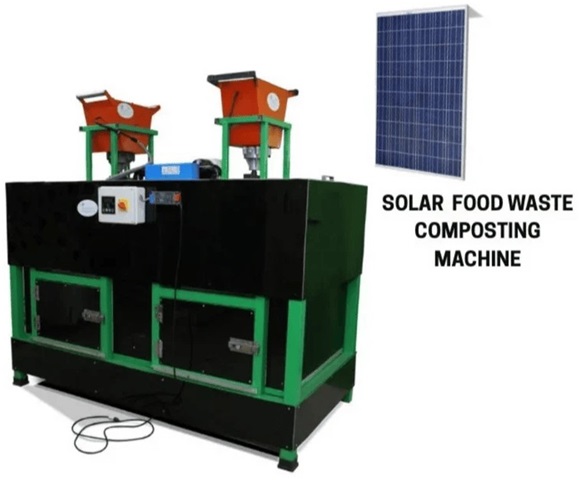


Klimrus sells a food in nine capacities, from a 10 kg/day unit for a single home to a 1,000 kg/day model for a factory or municipal site, and several of them run on solar power rather than pulling electricity all day. That range matters because the right composting machine for food waste depends on how much waste you actually produce, not on buying the biggest or cheapest unit you can find.
This guide covers how these machines actually work, what’s realistic for a restaurant versus an apartment building, current pricing in India, and where to buy one once you know the capacity you need.
How a Composting Machine for Food Waste Actually Works
A composting machine speeds up a process that would otherwise take weeks or months outdoors. Bacteria break down food scraps using oxygen, and the machine controls three things a compost heap left in a corner can’t: aeration, moisture, and temperature.
Aeration keeps the process aerobic. Without enough oxygen, the pile turns anaerobic, which is what causes the strong, rotten smell people associate with bad composting. Moisture needs to sit around 40 to 60%, since food waste that’s too dry slows the bacteria down and waste that’s too wet turns sludgy.
Temperature is what does most of the work. As bacteria break down the waste, the pile heats up to 55 to 65°C during the active phase, hot enough to kill most pathogens and weed seeds. A machine holds that temperature deliberately, which is why a 24 to 48 hour cycle in a composting machine can do roughly what takes a backyard compost bin several weeks.
Food Waste Composting Machine for Restaurant: What Commercial Kitchens Need
A restaurant kitchen produces food waste on a different scale and schedule than a home, so the same buying logic doesn’t carry over directly.
Capacity is the first decision. A small to mid-size restaurant typically needs 50 to 100 kg/day of capacity, while a large hotel, hospital kitchen, or food court can require 200 kg/day or more. It’s worth logging actual daily food waste for a week before choosing, since undersizing means the machine can’t keep up during a busy weekend and oversizing means paying for capacity that sits idle.
Placement matters more indoors. A machine sitting near a kitchen or dining area needs real odor control, since even a well-run aerobic process gives off some smell during loading.
Drainage for leachate (the liquid that separates out during breakdown) and ventilation both need to be part of the installation plan, not an afterthought.
Many Indian cities also require bulk waste generators, often defined as anyone producing more than 50 kg of waste a day, such as large restaurants, hotels, and big housing societies, to process organic waste on site under local solid waste management rules. The exact threshold and how strictly it’s enforced vary by city, so it’s worth checking with your municipal corporation rather than assuming your restaurant is exempt.
Top-Rated Food Waste Composting Machines for Apartments in India
Apartment buildings and housing societies sit at the other end of the scale. A single building of 50 to 100 flats usually generates somewhere between 10 and 30 kg of food waste a day, which puts most societies squarely in the 10 kg or 25 kg/day machine range.
Noise and odor control matter even more here, since the machine is often installed close to a residential block rather than a back-of-house kitchen area. A compact footprint also helps, since most societies don’t have a spare utility room built for a 1,000 kg/day industrial unit.
Cost-sharing works in favor of apartments too. A resident welfare association splitting the cost of a 25 kg/day machine across 50 or more flats brings the per-household cost down to a level that’s hard to justify for a single house, which is part of why community composting has become the more common apartment model over an individual one.
Best Food Waste Composting Machine Options Available in India
Composting machines in India generally split into three tiers: a home or small apartment tier (10 to 25 kg/day), a commercial or institutional tier (50 to 250 kg/day) for restaurants, hotels, hospitals, and offices, and an industrial or municipal tier (500 to 1,000 kg/day) for factories and larger civic installations.
Klimrus covers all three tiers under one product line, with several models built as solar-powered units the company describes as India’s first solar powered composting machines, engineered to meet ISO norms. The brand lists installations across 50+ Indian cities and cites clients that include FCI, Flipkart, and the Indian Army, which points to the same equipment being used from single housing societies up to large institutional sites.
Solar power is the detail worth paying attention to when comparing brands, since a machine running several hours a day at higher capacities has a real electricity cost, and cutting that with solar changes the running cost over a few years even if the upfront price is similar.
What Is Price of Composting Machine in India
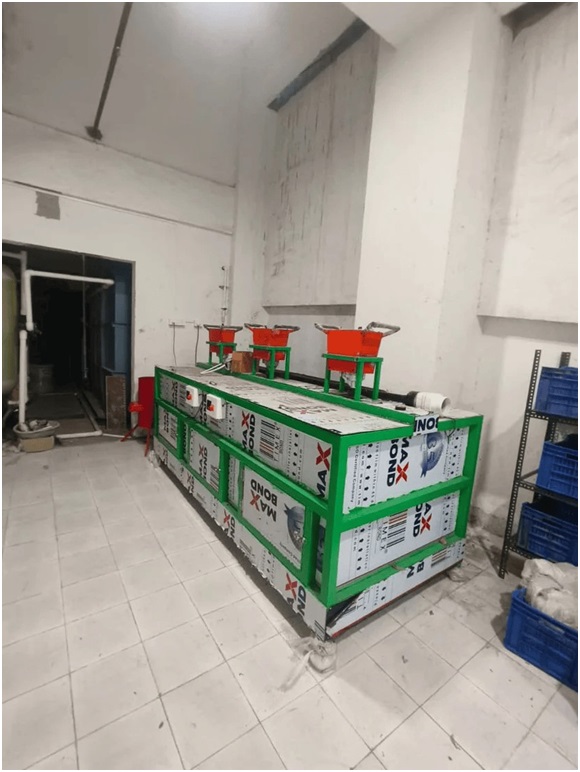
Pricing scales with capacity, but not in a straight line, since larger units also add more automation and structural components. Two confirmed reference points from Klimrus give a useful anchor: the 25 kg/day model lists at Rs 1,49,000, and the 100 kg/day model lists at Rs 2,49,000. Larger and smaller capacities are typically quoted directly rather than listed at a fixed price, since site conditions and add-ons change the final number.
| Capacity (kg/day) | Best for | Indicative price | Typical buyer |
|---|---|---|---|
| 10 kg/day | Single home, small shop | Quote on request | Household, small café |
| 25 kg/day | Apartment building, small restaurant | Rs 1,49,000 | Housing society, café |
| 50-100 kg/day | Mid-size restaurant, hotel, office campus | Rs 2,49,000 (100 kg) | Restaurant, hotel, office |
| 200-250 kg/day | Large hotel, hospital, mall food court | Quote on request | Hospital, mall, food court |
| 500-1,000 kg/day | Factory, municipal site | Quote on request | Industrial, civic |
Treat the table as a starting point rather than a final number. Installation, site preparation, and after-sales service plans usually add to the base machine price, so ask for a full quote that includes those before comparing two brands on price alone.
Where to Buy a Food Waste Composting Machine Near Me in India
Two paths work: buying directly from the manufacturer online, or going through a local waste management dealer or distributor who also handles installation.
Buying direct, from Klimrus’s food waste composting machine collection, for example, usually means dealing with the company that built the unit and stands behind the warranty and service, rather than a reseller. Before ordering, confirm the delivery timeline to your city, whether installation is included or billed separately, and what the service response time looks like if the machine needs a repair after the first year.
A local dealer can sometimes offer faster on-site support, especially outside the 50+ cities a national brand already services, but it’s worth confirming they’re an authorized seller rather than a generic waste equipment reseller before paying for a specific brand’s machine.
How to Choose the Right Composting Machine for Food Waste
Start with your actual daily waste volume, measured for a week rather than estimated, and buy for that number rather than for a round figure that sounds safe. Add roughly 20% headroom for growth or busy periods, not more, since paying for unused capacity every month adds up over the machine’s lifespan.
Check power source next. A solar-powered or hybrid model costs more upfront but lowers the running cost for units that operate several hours daily, which matters more as capacity goes up. For a small home unit that runs briefly each day, the running-cost difference is smaller.
Finally, check what happens after the sale: warranty length, whether a local technician can service the unit, and how long parts take to arrive if something breaks. A cheaper machine with no service network nearby often costs more over three years than a slightly pricier one backed by real support.
Common Questions About Food Waste Composting Machines
How Much Food Waste Does a Home Composting Machine Need to Handle per Day? Most single households produce 1 to 3 kg of food waste a day, so even the smallest 10 kg/day machine has plenty of headroom, and a few neighboring homes can often share one unit.
How Long Does It Take a Composting Machine to Turn Food Waste Into Compost? Most machines finish the active breakdown in 24 to 48 hours, compared to several weeks for outdoor composting, since the machine controls temperature, moisture, and aeration instead of leaving it to the weather.
Is a Food Waste Composting Machine Required by Law in India?
Many cities require bulk waste generators, often anyone producing more than 50 kg of waste a day such as large restaurants, hotels, and big housing societies, to process organic waste on site under local solid waste management rules. The exact threshold and enforcement vary by city, so check with your municipal corporation directly.
Do Solar Powered Composting Machines Actually Save Money?
A solar-powered unit cuts the electricity cost of running the composter, which matters more for machines running several hours a day at higher capacities. For a small 10 kg or 25 kg home unit, the power draw is already low, so the savings are smaller in absolute terms but still add up over years of daily use.
What Size Composting Machine Does a Restaurant Need?
It depends on covers per day and menu type, but 50 to 100 kg/day is a reasonable starting point for a mid-size restaurant, and 200 kg/day or more for a large hotel or food court. Track actual daily food waste for a week before choosing a capacity.
Does a Composting Machine Smell?
A well-maintained aerobic composting machine shouldn’t smell strongly, since proper aeration and temperature control are what prevent the anaerobic conditions that cause bad odor. Ask specifically about odor control if the unit will sit indoors or near seating areas.
Can the Compost From These Machines Be Used Right Away?
Fresh output usually needs a short curing period, often one to two weeks, before it works well as a soil amendment, even though the machine has already broken the food waste down. Check the specific curing guidance for the model you buy.
What’s the Difference Between a 25 kg and a 100 kg Composting Machine?
The 100 kg model handles roughly four times the daily volume and costs about 1.7 times more in Klimrus’s lineup (Rs 2,49,000 versus Rs 1,49,000), which usually makes it the better fit once you’re feeding it from a commercial kitchen or a large housing society rather than a single building.
How Much Maintenance Does a Food Waste Composting Machine Need?
Expect regular cleaning of the input chamber, periodic checks on moisture and aeration components, and servicing similar to any electromechanical appliance. Confirm the service network coverage in your city before buying, since a machine without local support sits idle when it breaks down.
Where Can I Get an Exact Price for a Specific Capacity?
Klimrus lists confirmed prices for the 25 kg (Rs 1,49,000) and 100 kg (Rs 2,49,000) models; other capacities are quoted directly, so the fastest way to get an exact number is to request a quote for your daily waste volume.
The Bottom Line
The right food waste composting machine for sale comes down to matching capacity to your actual daily waste, checking whether solar power makes sense at your usage level, and confirming service support before you buy rather than after something breaks. A 10 or 25 kg/day unit covers most homes and apartment buildings, 50 to 250 kg/day covers most restaurants and hotels, and 500 kg/day and up is industrial territory.
Measure your waste for a week, match it to a capacity tier with some headroom, and get a full quote, including installation and service, before comparing machines on sticker price alone.