


CIMP leader urges corporate India to build capability-led partnerships in skilling, entrepreneurship, women-led enterprise and innovation
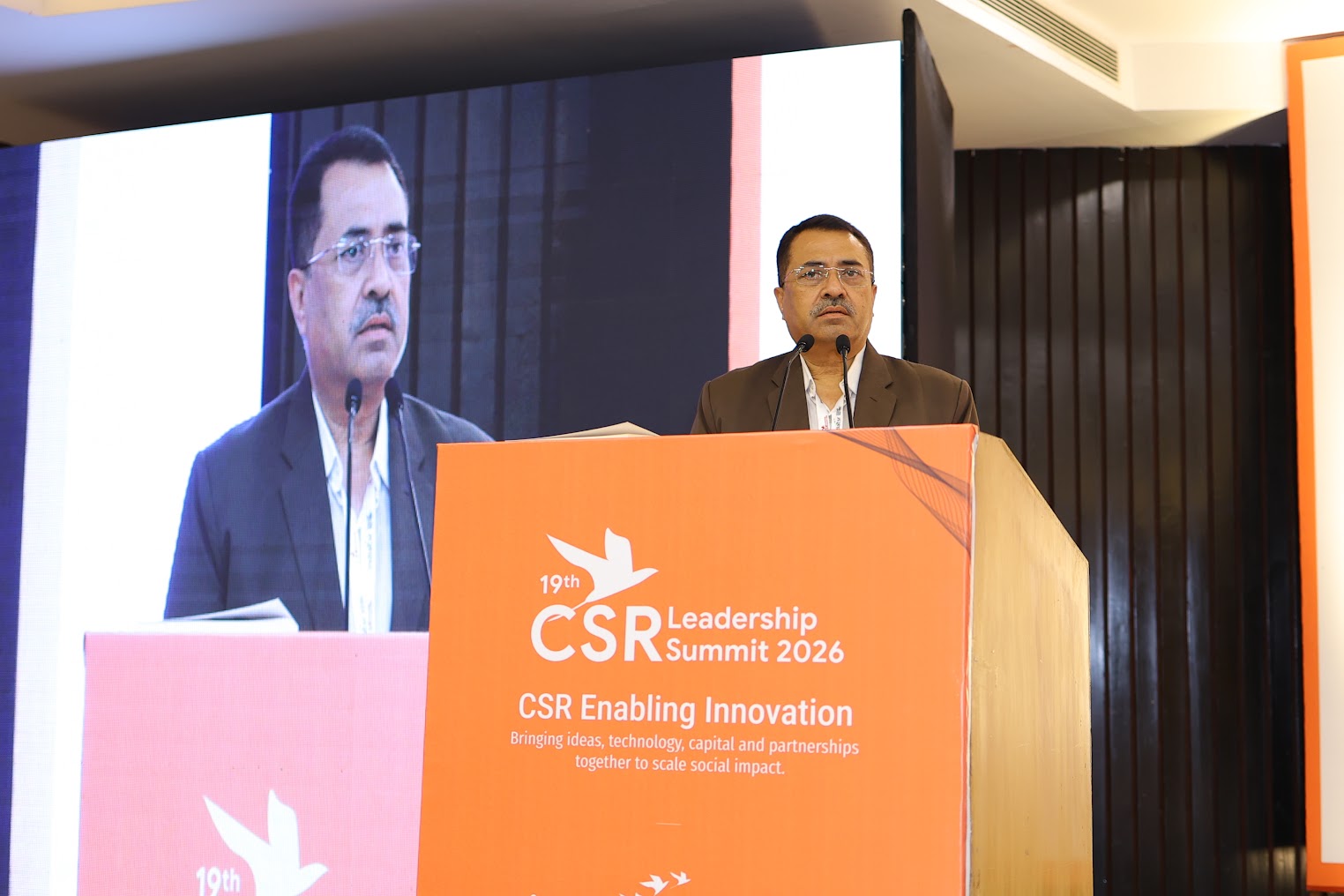
NEW DELHI (India CSR): Kumod Kumar, Chief Administrative Officer (CAO) of Chandragupt Institute of Management Patna (CIMP), has called on corporate leaders and foundations to view Bihar as a strategic partner in India’s inclusive-growth journey, rather than only as a beneficiary of development programmes. Speaking after the 19th India CSR® Leadership Summit, held at the India International Centre (IIC), New Delhi, on 16 October 2026, Kumod Kumar said the state needs greater corporate attention, strategic CSR investment and long-term partnerships that can convert its youthful energy and emerging entrepreneurial spirit into measurable social and economic outcomes.
Kumar Kumar participated in the Summit as a leadership panellist, representing CIMP, the Government of Bihar, and the Centre for CSR Studies. The Summit, which brought together more than 200 corporates, provided a platform for discussion on how CSR can evolve beyond conventional interventions and connect ideas, technology, capital and partnerships to scale social impact. Kumod Kumar said it was “a privilege to participate as a panellist” and described the gathering as “an important platform to exchange ideas on how CSR can move beyond conventional interventions and create sustainable, measurable social impact.”
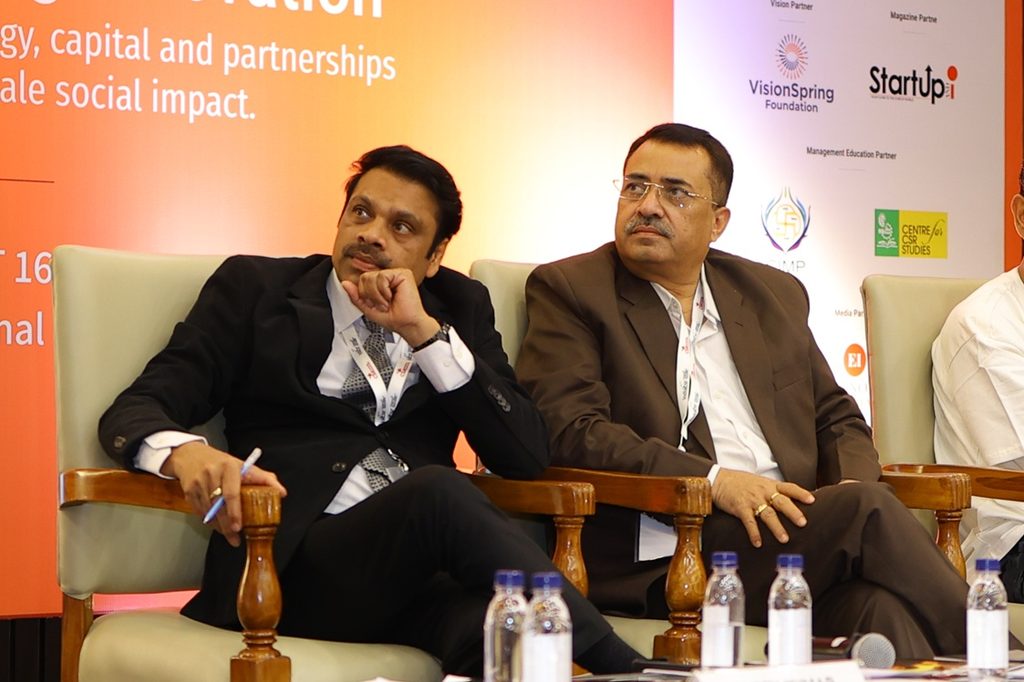
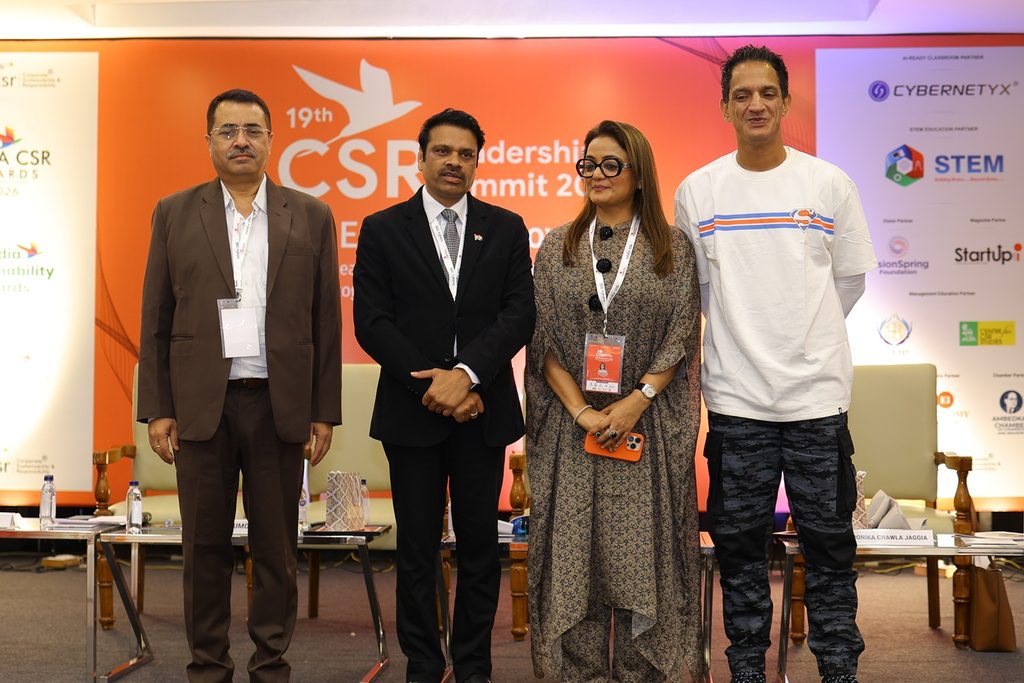
The Leadership Session also included Rusen Kumar, Founder & Editor of India CSR®; Ranjit Bajaj, Director of Minerva Academy Football Club; and Monika Chawla, Chief Corporate Development Officer at LT Foods Limited, known for its Daawat Rice brand. During the discussion, Kumod Kumar highlighted the scope for stronger corporate engagement with Bihar’s startup ecosystem, its young population and institutions working at the intersection of management education, CSR and incubation.
Kumod Kumar said the discussion strengthened his belief that CSR must be designed not only to respond to immediate social challenges but also to strengthen the ability of people and communities to determine their own futures. “CSR must not merely address social challenges; it must build capabilities, create opportunities and empower communities to shape their own futures,” he said.
Bihar Partnership Appeal
Making a direct appeal to the CSR community, Kumod Kumar, also Editor-in-Chief of Startup and I, Magazine said: “Bihar deserves greater corporate attention, strategic CSR investment and meaningful partnerships.” He added that the state provides a compelling setting for linking corporate responsibility with inclusive growth. “Bihar presents a compelling opportunity to align corporate responsibility with the fundamental objectives of inclusive growth,” he said, pointing to the state’s young population, emerging entrepreneurial spirit and untapped potential for purpose-driven corporate engagement.
Kumod Kumar identified four areas where partnerships can create sustained impact. The first is skilling and employability. Industry-relevant training, career guidance, market-linked skills and sustainable livelihood pathways can help young people participate more effectively in the economy. The second is startup incubation and entrepreneurship. Here, he said, corporate and institutional partners can support aspiring entrepreneurs, strengthen incubation infrastructure and help innovative ventures move from early ideas to scalable enterprises.
The third focus area is women-led and inclusive enterprise. Kumar called for programmes that enable women, rural communities and underserved groups to participate meaningfully in economic growth. The fourth is innovation-led social impact, where companies can work with academic institutions, grassroots organisations and local innovators to design interventions that are practical, accountable and measurable. Together, these priorities can create a pipeline from learning and capability-building to livelihoods, enterprise creation and community resilience.
CIMP’s Kumod Kumar invites corporate India to partner with Bihar on skills, startups, inclusive enterprise and innovation-led social impact.
For Kumar, the emphasis is on moving from isolated projects to durable local ecosystems. CSR partnerships can be more effective when they are built around local needs, trusted institutions, defined outcomes and regular measurement. This approach can connect corporate resources with on-ground knowledge, while enabling communities to take ownership of opportunities created through skilling, enterprise support and innovation.
At CIMP, Kumar said, the institutional commitment is to create such bridges. “At CIMP, an autonomous management institute established by the Government of Bihar, and through our Centre and CIMP Business Incubation & Innovation Foundation, we are committed to facilitating meaningful collaborations among corporates, startups, institutions and communities,” he said. CIMP-BIIF works as an innovation and incubation platform, while the Centre for CSR Studies can help shape dialogue, research and project linkages around responsible business and social development.
He extended an open invitation to CSR leaders and foundations to partner with these institutions in identifying high-impact projects, designing effective interventions and translating CSR commitments into visible results on the ground. This collaboration, he said, can bring together academic capacity, startup support, corporate experience and community participation—four elements that are essential for programmes seeking impact beyond a single grant cycle.
Rusen Kumar, Founder & Editor of India CSR®, said, “The future of CSR lies in partnerships that respect local aspirations and build local institutions. Bihar has the people, the entrepreneurial energy and the institutional anchors to turn CSR resources into durable change. Corporate India must see the state not through a deficit lens, but as a place to co-create scalable solutions in skills, enterprise and inclusive growth,” he said.
The message from the session was that strategic CSR in Bihar can support both social justice and economic participation. Investments in skills can help young people access employment and self-employment; incubation support can enable new ventures; women-centred enterprise programmes can widen participation; and innovation partnerships can improve the quality and reach of social interventions. The opportunity is to link these strands into a shared development agenda, with corporates, institutions and communities working towards defined outcomes.
Kumod Kumar concluded his appeal with a call for action: “Come to Bihar. Invest in its people. Nurture its entrepreneurs. Build skills. Strengthen startups. Create lasting social impact.” He urged stakeholders to recognise Bihar “not merely as a beneficiary of development initiatives, but as a partner in building a more inclusive, innovative and sustainable India.”
The 19th India CSR® Leadership Summit reinforced the need for CSR to be collaborative, innovation-oriented and grounded in the realities of communities. Kumar’s intervention placed Bihar at the centre of that conversation, inviting corporate India to explore partnerships that can create capability, opportunity and long-term social value across the state.
The 19th India CSR Leadership Summit 2026, organised by India CSR® at the India International Centre, New Delhi, on 16 October 2026, brought together corporate leaders, CSR professionals, social-sector organisations, academic institutions and policy stakeholders to explore how innovation can scale social impact. Held under the theme, “CSR Enabling Innovation – Bringing ideas, technology, capital and partnerships together to scale social impact,” the Summit featured discussions on skilling, livelihoods, education, entrepreneurship, inclusion and sustainable development. With participation from more than 200 corporates, the platform strengthened dialogue on building measurable, collaborative and community-centred CSR interventions across India.