

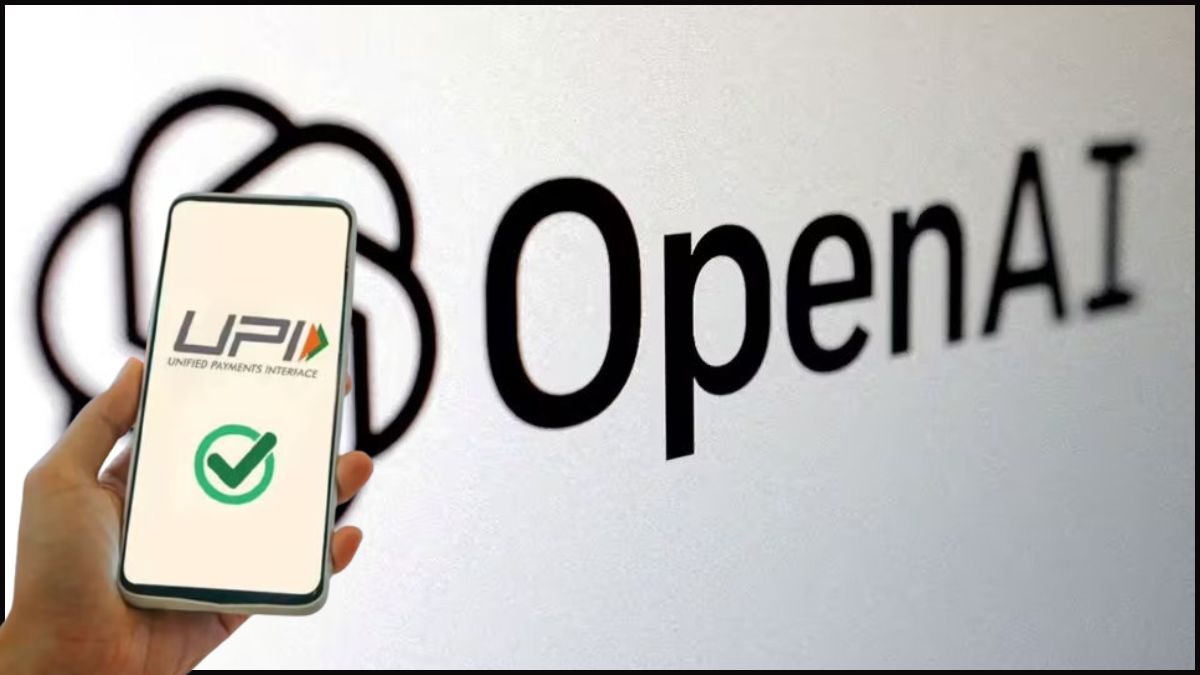



OpenAI, NPCI, and Razorpay launch a pilot to integrate UPI payments into ChatGPT, ushering in a new era of AI-driven financial transactions in India.
NEW DELHI (India CSR): In a groundbreaking move that could transform India’s digital payments ecosystem, OpenAI — the creator of ChatGPT — has partnered with the National Payments Corporation of India (NPCI) and fintech giant Razorpay to launch a pilot programme allowing users to make Unified Payments Interface (UPI) transactions directly through ChatGPT.
The initiative marks a major milestone in the evolution of “agentic AI”, a form of artificial intelligence capable of carrying out multi-step, real-world tasks with minimal human intervention. From browsing products to completing purchases, users will now be able to chat, shop, and pay — all within a single AI-powered conversation.

How the ChatGPT-UPI Pilot Works
Under the pilot, ChatGPT will act as a smart shopping and payment assistant, helping users find products, compare prices, and complete transactions without switching between apps or websites.
However, the key innovation lies in its secure integration with existing UPI infrastructure. ChatGPT will not store or access users’ sensitive financial details such as UPI PINs or passwords. Instead, payments will be authenticated through existing banking mechanisms like biometric verification, PIN entry, or linked banking apps.
Users can simply instruct ChatGPT — for example, “Buy 2 kg of rice from Bigbasket” — and the AI will handle the order and payment workflow, pausing only for final authentication by the user.
“Agentic payments are the next big step in AI innovation,” said Harshil Mathur, CEO and Co-founder of Razorpay. “We’re transforming AI from a conversational discovery tool into a complete shopping companion that can execute transactions securely and seamlessly.”
UPI Reserve Pay: The Technology Behind the Feature
The feature is powered by UPI Reserve Pay, a newly introduced functionality by NPCI that allows users to reserve funds for specific merchants before completing a purchase.
This means that even though ChatGPT facilitates the transaction, the final payment remains entirely in the user’s control. The funds are released only after the user confirms the transaction in their bank’s UPI app, ensuring no unauthorized deductions or data leaks.
“Your password stays safe,” said an NPCI spokesperson. “The AI interface never sees or processes your UPI PIN. All authentication happens directly through UPI’s secure network.”
Two major financial institutions — Axis Bank and Airtel Payments Bank — are participating as banking partners in the pilot. Meanwhile, Bigbasket has become the first e-commerce platform in India to integrate ChatGPT’s UPI payment feature into its checkout system.
AI and UPI: A Powerful Convergence
According to Oliver Jay, Managing Director for International Strategy at OpenAI, this collaboration aims to explore how conversational AI can enhance India’s already robust digital payment ecosystem.
“India’s UPI is one of the most trusted and advanced real-time payment systems in the world,” Jay said. “By combining UPI with AI-driven intelligence, we’re opening new possibilities for frictionless commerce that prioritises both user experience and data privacy.”
The pilot will examine how AI assistants can handle real financial transactions while maintaining UPI’s security, reliability, and compliance standards. It will also test how conversational AI can streamline e-commerce experiences, especially for first-time internet users who may find traditional payment gateways complex.
Security Remains Paramount
Experts emphasize that despite AI’s growing role in facilitating transactions, security protocols remain unchanged. Every payment will still require human authentication via established UPI channels — ensuring the user’s money and credentials remain secure.
ChatGPT will not store user data or payment histories. All payment communications are encrypted, and NPCI’s real-time fraud detection systems remain active across all agentic AI interactions.
In effect, ChatGPT acts as an interface layer — a digital assistant that simplifies navigation and execution, while the actual transaction takes place on NPCI’s secure backbone.
Fintechs Race to Develop AI-Powered Payment Systems
The partnership between NPCI, Razorpay, and OpenAI has sparked interest across India’s fintech ecosystem. Rival player Cashfree Payments has already announced its own “agentic AI” solution, aiming to help merchants automate invoicing, collections, and payment tracking through conversational interfaces.
Industry experts believe that such developments signal the beginning of an AI-driven payments revolution in India. With over 350 million monthly UPI users and an average of 12 billion transactions per month, India’s payments landscape provides an ideal testing ground for large-scale AI integration.
“This pilot is a glimpse into the future,” said Razorpay CEO Harshil Mathur. “Soon, users will be able to manage their entire financial life through conversational AI — from paying bills to booking flights — without ever leaving the chat window.”
The Road Ahead: Testing, Regulation, and Expansio
The current pilot is limited to a select group of users, with expansion plans contingent on the outcomes of initial testing and regulatory approvals. NPCI officials confirmed that data protection and compliance with the Reserve Bank of India’s (RBI) digital payments framework will guide the pilot’s scaling process.
If successful, this initiative could pave the way for mainstream AI-assisted banking, empowering users with natural language-driven financial services.
The collaboration also represents a global first — where a conversational AI like ChatGPT is integrated directly with a national payments infrastructure on such a large scale.
A Glimpse Into the Future of Payments
With this pilot, India continues to lead global innovation in digital payments. The integration of AI and UPI could soon make financial interactions as simple as texting a friend.
For now, users can rest assured that while ChatGPT might soon handle their shopping and bill payments, their passwords, PINs, and financial data remain entirely secure — protected by the same robust authentication layers that have made UPI one of the most trusted payment systems in the world.
(India CSR)



