

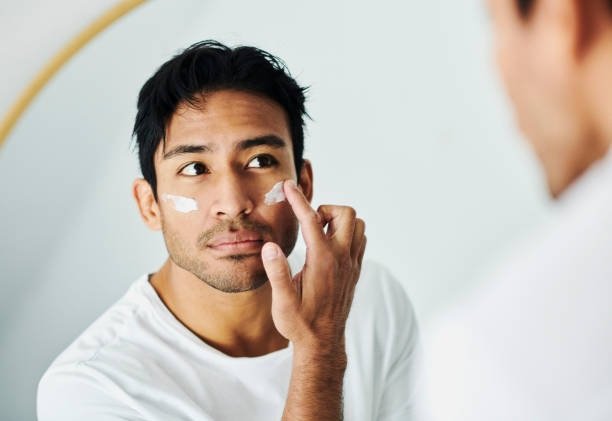



Indian summers can be tough on your skin. With busy commutes, college, bike rides, cricket, and weekend outings, you end up in the sun almost every day, often without realising it. Over time, this regular exposure can damage your skin barrier, causing tanning, uneven texture, pigmentation, and early signs of ageing. Exactly why using an effective sunscreen for men is no longer optional, especially in India’s harsh summers. In fact, UV Index levels across most Indian cities sit between 8-11 from March to July, that’s in the ‘very high’ to ‘extreme’ range, which means your skin is taking a hit every single time you step outside without protection.
A lightweight, comfortable sunscreen is now a daily must-have for getting through Indian summers.[1]
Why Sunscreen Is Non-Negotiable for Indian Summers?
Indian summers bring prolonged exposure to UVA and UVB rays, especially between late morning and afternoon hours. UVB rays mostly cause sunburn, while UVA rays go deeper and lead to early ageing, tanning, and pigmentation. If you don’t protect your skin, this constant exposure can weaken your skin barrier and make it more sensitive.

That’s why using sunscreen has become a part of skincare, not just an extra step. Daily outdoor exposure adds up faster than you think which is why picking the right sunscreen for men matters, whether it’s for a morning commute, gym run, or just grabbing lunch outside.
Most dermatologists suggest using broad-spectrum protection with at least SPF 30, but SPF 50 or higher works better for harsh Indian summers.
What to Look for in a Sunscreen?
Not all sunscreens work well in humid weather. Thick formulas can feel sticky, and some can leave a white cast on deeper Indian skin tones. Picking the right ingredients and texture really matters.
Look for a sunscreen with:
- Broad-spectrum UVA and UVB protection
- SPF 50 or above for tough Indian summers
- PA+++ or PA++++ rating to offer more protection from UVA rays
- Gel or lotion textures due to moisture-heavy Indian weather conditions
- Water-resistant sunscreens which offer protection from sweat
Some ingredients can also improve the sunscreen experience:
- Tinosorb S and Uvinul A Plus for UV protection
- Niacinamide to protect skin barriers
- Vitamin E for antioxidant support
- Hyaluronic Acid for light hydration
Texture matters just as much as SPF. After all, no one wants a sunscreen that feels heavy and sticky five minutes after stepping outside. A light hydrating sunscreen is much easier to use every day, especially in humid Indian summers.
Choosing the Right Sunscreen for Your Skin Type
Skin type plays a major role in how comfortable a sunscreen feels through the day. If you use the wrong texture, your skin might look greasy, feel dry, or just be uncomfortable in the extreme heat.
- Oily or acne skin: Pick lightweight gel or fluid formulas. Look for non-comedogenic products that minimise pore clogs.
- Dry skin: Use cream formulas that contain glycerin, ceramides, or hyaluronic acid. This helps retain moisture and protect the skin.
- Combination skin: Fluid sunscreens that hydrate well without making the skin greasy.
- Sensitive skin: Formulas free from fragrances, with ingredients such as allantoin or panthenol, often cause less irritation.
A lightweight sunscreen that blends in well and doesn’t leave a residue is easier to reapply during the day. Remember to reapply every two to three hours if you’re outside for a long time, especially after sweating.
Sun Protection for Your Body, Not Just Your Face
A lot of people put sunscreen on their face but forget about their neck, arms, hands, ears, and feet. Meanwhile, these areas are sitting under the same harsh sunlight every single day and slowly picking up tanning and uneven pigmentation.
In Indian summers, lighter clothes and outdoor plans naturally mean more skin exposure, which is why body protection matters just as much.
Body sunscreens are specially made for larger surface areas and often come in lotion or fluid textures that spread more easily. They ideally provide broad-spectrum protection for everyday wear. A good body sunscreen should absorb quickly without leaving a sticky finish.
Sunscoop’s Hydrating Fluid Sunscreen SPF 60 PA++++ is one of the best examples of a lightweight face and body sunscreen designed for hot weather conditions. Its fluid texture spreads easily, making it practical for everyday reapplication during commutes, outdoor activities, or travel.
How to Apply Sunscreen the Right Way
Even the best sunscreen won’t work well if you don’t apply it properly. Most people use too little, which lowers the protection.
For better sun protection, follow these simple steps:
- Apply the sunscreen 15 to 20 minutes before going outside
- Cover all exposed areas instead of using a thin layer
- Never skip the neck, ears, palms, feet, or backs of the arms
- Reapply every two to three hours if you’re staying outdoors for an extended period
- Reapply immediately if you’ve been sweating profusely or towel drying
It’s also helpful to use sunscreen along with other habits, like wearing sunglasses, caps, and light full-sleeve clothes during the peak afternoon heat.
Conclusion
Indian summers need more than just occasional sun protection. Using sunscreen regularly helps protect your skin from tanning, pigmentation, uneven texture, and long-term UV damage. The good news is that today’s formulas don’t feel heavy or uncomfortable. Picking a lightweight, broad-spectrum sunscreen with strong UV filters makes daily protection simple and your skin will thank you for ten years from now.



