




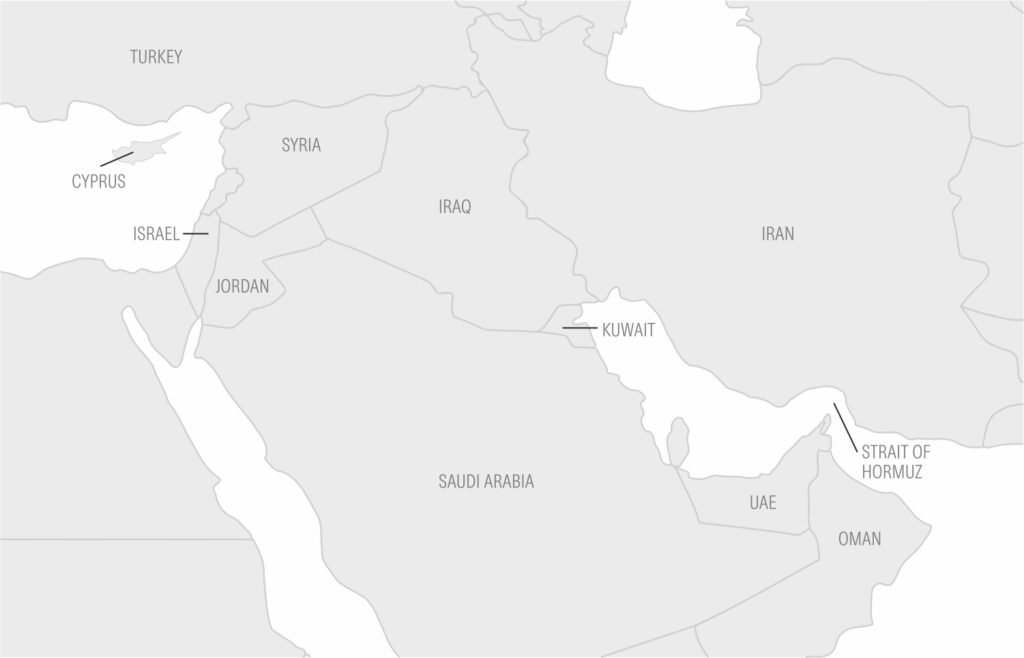
Rising geopolitical tensions and disruptions in oil and gas supply chains are forcing countries to rethink their energy strategies and accelerate the transition toward more secure and sustainable energy systems.
KEY HIGHLIGHTS
- The more oil prices rise, the more there is a case for increasing investments in infrastructure, technology, and alternative sources of energy.
- In our view, oil price shocks could compel the most affected governments to reshape their energy strategy to improve security and long-term resiliency, which could often equate to an increased use of climate friendly energy.
- The current conflict also increases water-security risk, highlighting how fresh water is a strategic natural resource, too.

By Christian Aufsatz and Vitaline Yeterian

Many economies have been trying to reduce their reliance on oil and gas (O&G) consumption and meet net-zero targets, but the transition has been slow. Moreover, the ongoing conflict in the Middle East could cause some countries, especially net energy importers, to further rethink their energy strategies and net-zero targets. Fossil fuels still provide more than 85% of global primary energy¹. With the Strait of Hormuz still closed to shipping, the Brent crude price jumped by 27% to USD 117.65 per barrel on Monday, 9 March 2026 before settling lower. Meanwhile, gas prices increased to their highest level since 2022. As an indication of the severity of the current situation, the International Energy Agency has announced the release of 400 million barrels of oil from emergency reserves held by its members to help ease supply shortages. (¹ Energy Institute, “2025 Statistical Review of World Energy”)
Climate Risk Navigator
In our view, disruptions to O&G supplies and energy price shocks are a reminder that a country’s energy security, and its efforts to mitigate climate change, often have a common denominator: renewable energy or non-carbon energy such as nuclear. This increases diversification, mitigating potential outsized exposure to either a single source of energy or a specific region. We also note that investment decisions regarding both energy infrastructure and climate change mitigation or adaptation are typically medium to long-term.
Overall, we think the current conflict—and the resulting energy shock—could encourage some of the most affected governments to reshape their approach to energy to improve not only their energy security but also their resilience to climate change. The previous energy shock in 2022 led many governments in Europe to update their energy security strategies, looking to diversify their energy sources and increase the share of renewables in their energy mix.
Lack of Diversification of Sources Put Energy Security in the Spotlight
The escalation of the conflict in the Middle East compounds fears of a potentially prolonged conflict. Net energy importing countries that are highly reliant on O&G from the Persian Gulf (e.g., India, South Korea, or Japan) would need to secure access to energy in the short term, while the conflict could also further encourage them to rebalance their energy mix in the medium to long term.
The more oil prices rise, the more there is a case for increasing investments in alternative energy related infrastructure and technology, as decreasing reliance on O&G consumption becomes an economic incentive besides being highly strategic from a geopolitical standpoint.
There are various hurdles to navigate for a country to enhance its energy security, including the adoption of a long-term plan, building or reforming energy infrastructure, the degree of reliance of industry on O&G, and—very importantly—cost.
While we recognise that prices are only one part of the equation, the last energy shock (as well as the need to reduce Russia’s oil revenue) prompted a clear change in the European Union’s (EU) energy strategy, as it was the region most affected by the 2022 energy shock. Following the Russian invasion of Ukraine in 2022, the EU developed an accelerated strategy aimed at phasing out Russian natural gas imports by 2027. The REPowerEU roadmap, adopted in 2025, legally mandates a gradual phase-out of Russian oil, gas, and nuclear energy imports to enhance energy security across the union. This change was clearly driven by energy security (reducing imports reliance on a single energy supplier while increasing domestic capabilities); however, this crisis also reinforced European countries’ work on achieving their climate targets (even though they are binding).
Climate Goals Means Long-Term Resilience
While climate goals lead to a reduction in the use of carbon-related energy, they do not necessarily fully exclude carbon-related energy from a country’s energy mix. This means that a country can increase its use of renewables (or nuclear), usually by 2050 (as per climate goals set up in the Paris Agreement adopted in 2025) or by 2070 (China, India), while maintaining some level of carbon-related energy.
Investments related to energy security (particularly from non-oil-producing countries or those with fewer natural resources) could also help countries to meet climate goals. As the planet continues to warm, climate change will increasingly lead to significant physical damages. Planning today for either physical risk (because despite a high level of uncertainty we can see extreme weather and changes in climate patterns are materialising) or for transition risk (because markets or people’s mindsets can quickly change) is highly likely to be the most sustainable avenue to secure a country’s access to energy because, aside from diversification, it can decrease reliance on external energy providers by strengthening a country’s own energy capabilities.
Resilience to Climate Change Also Highlights Strategic Importance of Freshwater
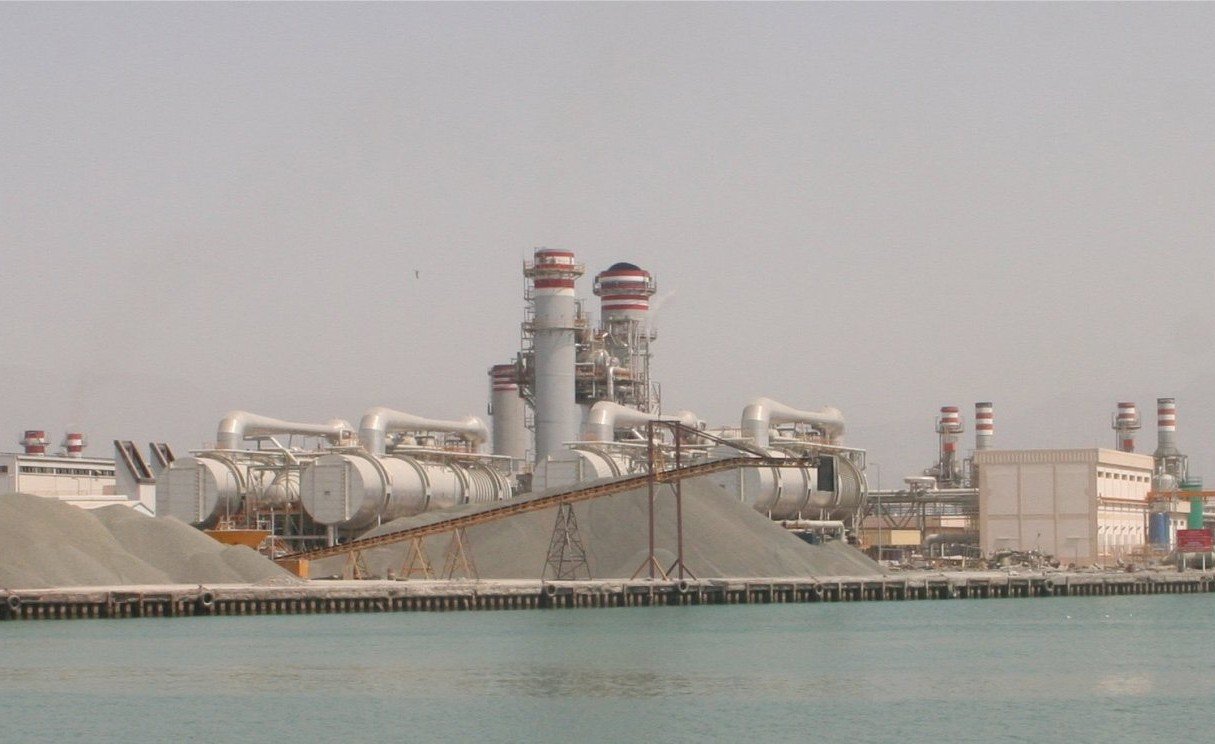
Besides the volatility in the price of O&G, we note the conflict also increases water-security risk, as freshwater is a strategic natural resource. In the Middle East, many countries rely on desalination plants for a very large portion of their water supply, making them a core backbone of water security and critical water infrastructure. Overall, Gulf states operate approximately 400 desalination plants that produce roughly 40% of the world’s desalinated water. Meanwhile, half of Israel’s potable water comes from five large coastal desalination plants. Considering changes in climate and weather patterns, this reliance is unlikely to change. Now some of plants are under the threat of attack, with some already having been struck.
Finally, we note that the time horizons of investment on either energy infrastructure or climate change mitigation/adaptation are typically medium to long term. As a result, we view the current conflict will likely motivate many governments, especially net energy importers, to reshape their medium- to long-term approach to energy to improve both their energy security as well as their climate resiliency.
Disclaimer: This research note titled “Energy Security in an Age of Conflict—The Case for Accelerating the Transition” was published on 13 March 2026 as part of Morningstar DBRS’s Climate Risk Navigator series, which explores the relationship between climate change, geopolitical developments, and financial risk across global markets.
About the Authors
Christian Aufsatz – Managing Director, European Structured Finance Ratings, Morningstar DBRS
Vitaline Yeterian – Senior Vice President, Sector Lead, European Financial Institution Ratings, Morningstar DBRS
(India CSR)



