


A child pretending to run a small grocery store inside a classroom may seem busy with simple fun, yet that activity can quietly teach communication, patience, decision-making, and teamwork at the same time. Early learning classrooms now treat creative play as an important part of child development because young children understand ideas more naturally through movement, interaction, and imagination. Schools use these playful experiences to introduce social habits, language skills, and independent thinking without making learning feel stressful. This article explains how creative play shapes early education and why these activities matter far beyond entertainment.
Pretend Play Helps Children Understand Real Situations
Many parents exploring the list of primary schools in Mumbai notice pretend kitchens, miniature stores, or storytelling corners during campus visits. These spaces are carefully designed because role-play allows children to understand daily situations through direct participation instead of formal explanation. Young learners usually communicate more freely when activities feel playful and familiar.
Pretend play also encourages social awareness during group interaction. Children assigning roles during games learn patience, turn-taking, and conversation naturally. A simple classroom café or doctor’s clinic can help students practice speaking clearly while responding to classmates in realistic social situations.

Common role-play setups inside classrooms:
- Grocery stores with pretend money
- Puppet storytelling sessions
- Community helper role-play games
Art Activities Encourage Independent Decisions
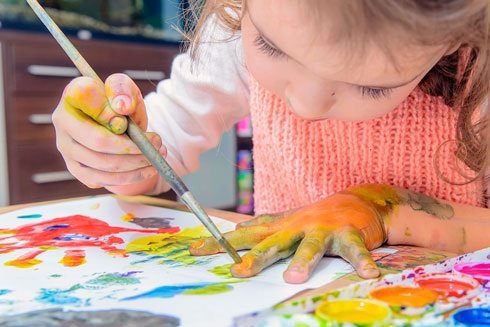
Creative classrooms usually include painting stations, clay work, collage tables, and practical craft activities throughout the week. These sessions allow children to make independent choices regarding color, shape, arrangement, and storytelling without excessive correction from teachers.
Art-based participation also reveals personality and observation habits naturally. Some children quietly focus on detail, while others enjoy experimenting freely during creative tasks. Parents researching the list of primary schools in Mumbai now pay closer attention to these spaces because practical creativity frequently improves self-expression and relaxed classroom participation among younger learners.
Building Games Improves Flexible Thinking
Construction toys, puzzles, sorting activities, and block-building exercises help children approach problems calmly during early learning years. These activities teach children how to test ideas, correct mistakes, and adjust plans without frustration becoming overwhelming.
Teachers also observe how children respond when structures collapse or games become challenging. Some students restart immediately, while others try different methods independently. These moments quietly shape patience and flexible thinking through practical experience instead of direct instruction.
Skills children develop through building activities:
- Attention during detailed tasks
- Problem-solving during challenges
- Patience while testing ideas
- Coordination through practical movement
Outdoor Spaces Teach More Than Physical Activity
Outdoor sessions are not limited to running games or physical movement alone. Open play areas frequently encourage imagination, negotiation, and spontaneous interaction between children during less structured moments.
Children playing together outdoors naturally create rules, solve disagreements, and share responsibilities without constant adult direction. These situations help students understand cooperation and social boundaries more comfortably. Natural surroundings and open spaces may also improve observation skills because children interact more freely outside formal classroom settings.
Music Sessions Improve Classroom Participation
Songs, rhythm exercises, and movement activities frequently help quieter students participate more comfortably during early education years. Children who hesitate during formal lessons sometimes respond more confidently when learning includes rhythm, repetition, and physical expression.
Teachers also use music during classroom transitions because predictable songs and movement patterns can help students settle calmly between activities. Rhythm-based learning supports memory naturally during alphabet lessons, counting exercises, and storytelling activities.
Teachers’ Guide Play Naturally
Creative play may appear completely free-flowing from the outside, yet skilled teachers carefully shape these experiences through observation and balanced guidance. Strong early learning environments usually avoid excessive control while still maintaining a healthy classroom structure.
Observation During Everyday Activities
Teachers quietly notice how children communicate, solve problems, or react emotionally during play sessions. These observations help educators understand individual comfort levels and participation habits naturally.
Gentle Direction During Group Activities
Supportive classrooms allow children to explore independently while teachers step in calmly when guidance becomes necessary. Balanced interaction usually helps students feel secure without constantly feeling restricted.
Peer Interaction Shapes Social Confidence
Creative play frequently creates social situations that formal lessons cannot reproduce naturally. Shared storytelling, pretend games, and collaborative activities encourage children to communicate without pressure or fear of incorrect answers.
Children also learn how to handle disagreements during these moments. A small conflict during a group game may teach negotiation and compromise more effectively than direct classroom lectures. These everyday social experiences gradually improve participation readiness and peer comfort during early education years.
Signs of healthy social interaction:
- Children invite others into activities
- Teachers guide conflict calmly
- Group tasks include shared responsibility
Professionals may also help parents understand why some children participate differently depending on the classroom environment or activity type. Their perspective often helps families evaluate schools more realistically during admissions instead of focusing entirely on worksheets or academic structure during early years.
Creative play quietly shapes communication, flexible thinking, social comfort, and classroom participation throughout early childhood education. Pretend games, building activities, outdoor interaction, music sessions, and creative projects all influence how children respond to learning during foundational years. Families exploring the list of primary schools in Mumbai usually gain better insight when they observe playful classroom interaction instead of focusing entirely on formal academics. Thoughtful, creative environments help children feel expressive, curious, and socially comfortable during their earliest educational experiences.