

The Enrollment of a child in preschool requires observing their development and behaviour closely. Parents notice small but meaningful changes that indicate readiness for classroom routines. Observing social, emotional, and learning skills helps determine the right time for enrolment. Families in Mulund can visit centres offering engaging programs. Early entry supports confidence, learning, and smooth adjustment.
1. Early Social Interaction Shows Readiness
A Preschool in Mulund begins with children feeling comfortable when spending time with peers. A child who shares toys, responds to others, and joins group play shows social growth. Spending time with friends at home or in the community shows growing confidence. Children who greet classmates or follow simple social rules adapt easily to new routines.
Positive reactions during group activities show they can follow guidance from teachers and peers. Watching these behaviours helps parents see if a child is ready for school. Playing with other children encourages communication, friendship, and understanding basic classroom expectations.

2. Curiosity and Interest in Learning Activities
Kids showing interest in books, puzzles, and educational toys often indicate readiness for preschool. Curiosity appears when they ask questions about objects, nature, or daily events at home. Taking part in simple counting, matching, or sorting games shows enjoyment in learning activities.
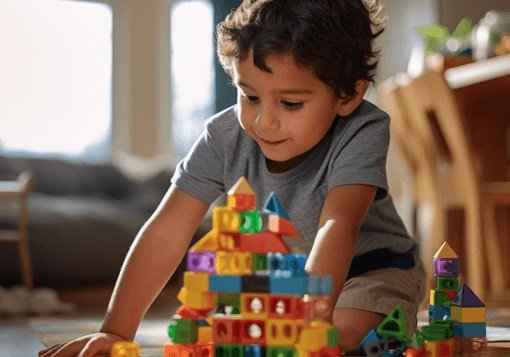
Excitement during drawing, building, or imaginative play reflects enjoyment of hands-on activities. Paying attention to stories or songs shows that they can focus on school tasks. Families seeking a preschool in Mulund East will notice that classrooms support curiosity with age-appropriate activities. Regular curiosity helps children explore new experiences and learn from them. Parents who notice this interest can pick a preschool that suits their child.
3. Basic Communication and Language Skills
Children ready for preschool express needs clearly and follow short instructions from adults. A growing vocabulary allows them to hold conversations and share thoughts easily. Describing feelings, objects, or daily events shows that they can take part in discussions or storytelling. Following two-step directions without hesitation shows understanding and listening skills.
Good communication reduces frustration and helps children cooperate with teachers and classmates. Speaking regularly in full sentences builds confidence and encourages participation in activities. Using words effectively shows that they can take part in school routines comfortably.
4. Independence in Daily Tasks
Children who manage dressing, eating, and hygiene on their own are ready for preschool. Completing small responsibilities without help shows confidence and self-reliance. Tasks like tidying toys or preparing snacks show practical skills for classroom routines.
Being able to handle personal needs gives teachers space to focus on learning. Learning simple self-help tasks encourages a sense of achievement and belonging. Doing daily activities by themselves shows readiness for more complex routines. Children with these skills fit smoothly into school schedules and daily tasks.
5. Emotional Awareness and Self-Control
Kids prepared for preschool can stay patient and manage frustration in group situations. Recognising feelings and reacting calmly to minor problems demonstrates growing emotional intelligence. Waiting for their turn or accepting guidance shows maturity and flexibility in social settings.
Expressing needs politely reduces disagreements and helps teachers guide the class effectively. The ability to control emotions supports focus and active participation in classroom activities. Observing emotional intelligence helps parents determine the right timing for preschool enrolment. Skills in understanding and managing feelings allow young learners to adjust more easily to social and learning situations.
6. Interest in Group Activities and Cooperation
Young learners ready for preschool participate willingly in games, group projects, and classroom exercises. Taking turns, listening to instructions, and working with others show readiness to cooperate. Enjoying storytelling, singing, or art projects shows interest in group activities.
Joining in class activities improves communication and builds friendships. Watching participation highlights the child’s ability to adapt to routines and guidance. Taking part in group activities boosts confidence, expression, and understanding of shared tasks. Children who enjoy working with others settle quickly into school life.
7. Ability to Focus and Follow Simple Instructions
Children who focus on tasks and follow short instructions are ready for preschool. Paying attention during stories or while completing puzzles shows engagement in classroom activities. Completing tasks according to guidance from adults shows understanding and responsibility.
Maintaining focus for several minutes shows readiness for daily school routines. Attention to tasks and finishing them shows learning skills suitable for early education. Parents watching these behaviours can choose a preschool that matches their child’s abilities. Children with focus and comprehension adapt to school routines and learning activities smoothly.
The recognition of these seven signs confirms a child is ready for preschool in Mulund. Preschool in Mulund offers supportive classrooms, learning activities, and social opportunities. Watching social, emotional, and practical skills helps parents make informed enrolment decisions. Visiting schools provides insight into routines and teaching methods. Starting at the right stage encourages confidence, independence, and smooth adaptation.