


Wockhardt Foundation’s healthcare initiative, operating across 21 states and nearly 2,954 villages and locations, has recorded 51 million patient interactions, highlighting the continuing burden of infectious illnesses alongside hypertension, diabetes and other noncommunicable conditions
MUMBAI (India CSR): Wockhardt Foundation’s Mobile1000 programme, which provides primary healthcare services to rural and underserved communities in India, has found that health needs are becoming increasingly diverse, with infectious illnesses continuing to be widely observed alongside noncommunicable conditions such as hypertension and diabetes, according to field data from the programme. The findings highlight the importance of primary healthcare that combines consultation and treatment with preventive screening, health awareness, early detection and referral.
Among the commonly observed conditions identified through Mobile1000 screenings, joint and body pain and musculoskeletal conditions account for 22%, followed by respiratory tract infections at 18% and common cold and flu at 15%. Hypertension accounts for 13% and diabetes for 12%, while skin infections and conditions account for 10%. Anaemia and nutritional deficiencies account for 6%, followed by gastritis, acidity and other gastrointestinal complaints at 4%.

The pattern suggests that communities are dealing with both immediate illnesses and conditions that require longer-term management, making early identification increasingly important at the primary healthcare level. Seasonal illnesses, including respiratory infections and common cold and flu, remain frequently observed, while routine screening is also helping identify conditions such as hypertension and diabetes. Musculoskeletal complaints are particularly common among adult and elderly beneficiaries.
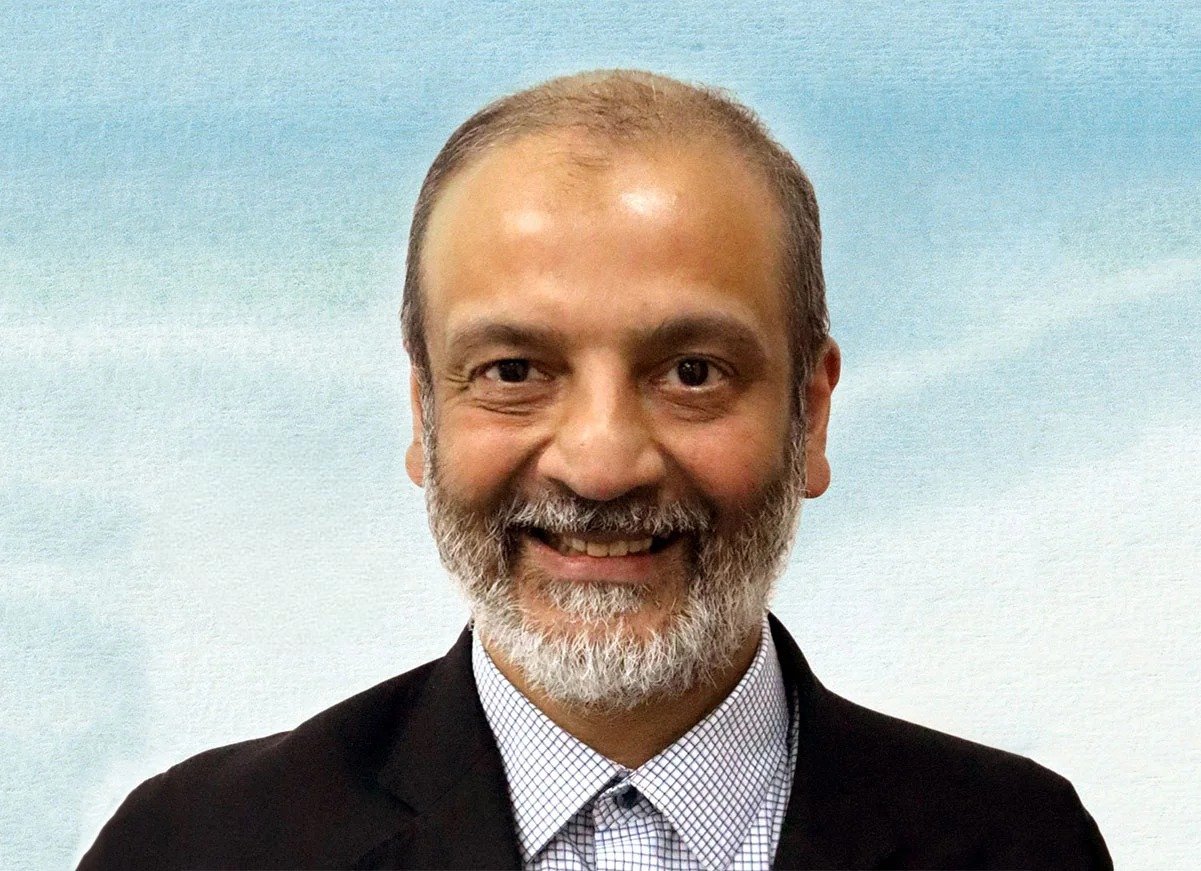
Dr. Huzaifa Khorakiwala, Trustee & CEO, Wockhardt Foundation, said, “What we are seeing through our work at the community level is that the healthcare conversation is becoming broader. Alongside common infections and seasonal illnesses, we are increasingly identifying conditions such as hypertension and diabetes through routine screening. This reinforces the value of taking preventive healthcare closer to people, where screening, awareness and timely intervention can become part of everyday primary care. Our focus is to ensure that communities have a first point of contact for healthcare that is accessible, responsive and connected to the larger healthcare system.”
Mobile1000’s programme-level experience indicates that approximately 25–30% of beneficiaries requiring further attention may include previously undiagnosed or previously unidentified conditions, particularly in areas where access to regular healthcare and preventive screening is limited. This is especially relevant to hypertension and diabetes, which can remain undetected until symptoms become more pronounced.
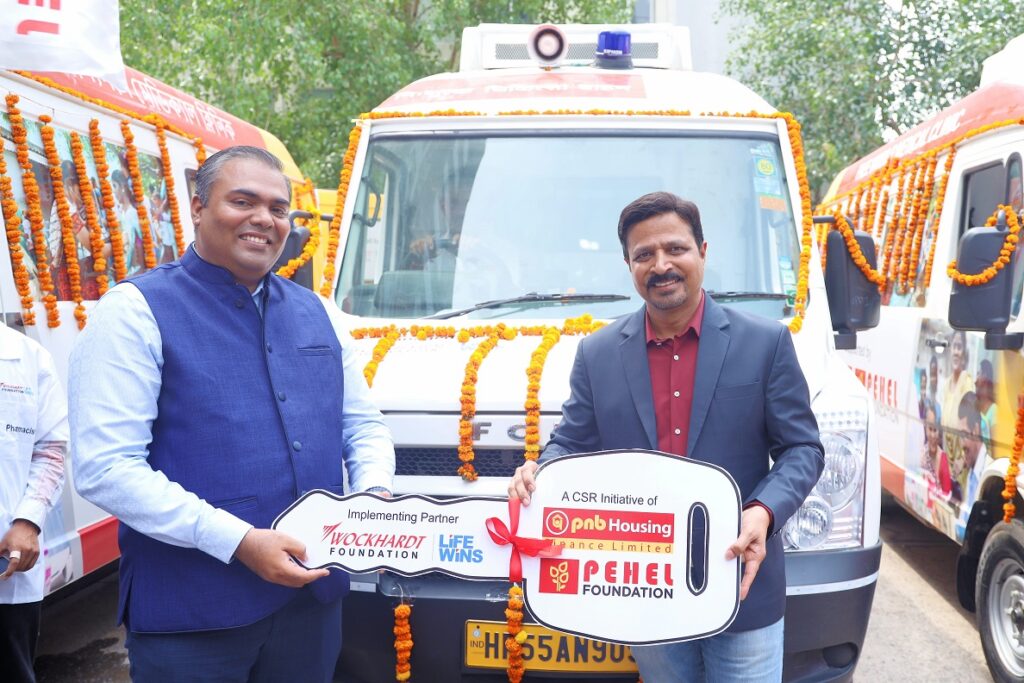
Rural India Faces a Dual Health Burden, With 18% Respiratory Infections, 13% Hypertension and 12% Diabetes Among Commonly Observed Conditions
Early identification can enable beneficiaries to receive appropriate treatment or be referred for further care. Mobile1000 has recorded approximately 51 million patient interactions through 211 Mobile Medical Units operating across 21 states and approximately 2,954 villages and locations. The programme provides free primary healthcare consultations, basic diagnosis and screening, medicines, preventive health and awareness activities and referral support.
Access to healthcare remains a significant challenge in many remote and underserved locations. Mobile1000’s field experience indicates that approximately 30–35% of beneficiaries in these areas may otherwise need to travel significant distances to access regular healthcare, with an indicative distance of approximately 25–30 km. Bringing services closer to communities can therefore reduce the time, travel and associated costs involved in seeking routine medical care.
Denis Varghese, Programme Head – Mobile1000, Wockhardt Foundation, said, “Our experience shows the value of having healthcare services within communities rather than limiting the first point of contact to conventional healthcare facilities. When people can access a doctor, basic screening, medicines and health education closer to where they live, it creates more opportunities for timely consultation and identification of health concerns. The next step is to strengthen the continuum by ensuring that those requiring additional investigation or specialist care are appropriately referred and followed up.”
Mobile1000 follows an Awareness, Diagnosis, Cure and Referral (ADCR) model. Beneficiaries can receive doctor consultations, basic screening, essential medicines and health education through Mobile Medical Units, while those requiring further investigation or specialist treatment can be referred to appropriate primary health centres, community health centres, government hospitals or other healthcare facilities. Follow-up is undertaken during subsequent MMU visits wherever required. The programme serves a diverse beneficiary base.
Going forward, Mobile1000 plans to expand coverage in underserved locations while strengthening NCD screening and early detection, preventive healthcare and health awareness, referral and follow-up mechanisms, community-level screening, and digital monitoring and data-driven programme management. The programme will continue to focus on women, children, elderly people and other vulnerable populations to bring accessible and affordable primary healthcare closer to communities.
© Copyright Disclaimer: All rights reserved. No part of this report may be reproduced, republished, distributed or transmitted in any form without prior written permission from India CSR®.