

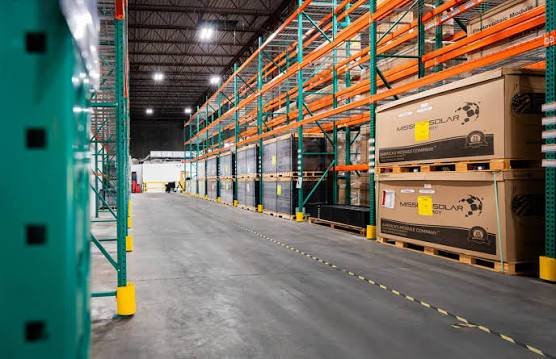


Learn how to choose warehouse equipment based on facility layout, material-handling needs, safety, ownership costs and future operational growth.
Choosing the right warehouse equipment plays an important role in maintaining safe, efficient, and cost-effective warehouse operations. Every facility has different storage layouts, inventory types, and handling requirements, so there is no single solution that suits every business. Selecting equipment after assessing operational needs helps improve productivity, reduce unnecessary costs, and support smooth material movement. Businesses should also consider future requirements before making an investment to ensure their equipment remains suitable as operational demands evolve.
Assess Your Warehouse Requirements
Before comparing different equipment options, start by understanding how the warehouse operates every day. The type of products stored, the volume of inventory handled, and the frequency of movement all influence equipment selection. Warehouses that manage heavy palletised goods have different requirements from facilities handling lightweight consumer products or fragile items.

It is equally important to examine every stage of warehouse activity, including receiving, storage, picking, packing, and dispatch. Each activity places different demands on equipment, and selecting one machine for every task rarely delivers the best results. Reviewing operational processes also helps identify areas where delays or unnecessary manual handling occur.
Businesses should also estimate future demand rather than focusing only on current operations. Selecting equipment that supports expected growth helps avoid frequent replacements and additional capital expenditure as warehouse activity increases.
Evaluate Your Warehouse Layout
The physical characteristics of a warehouse directly influence which equipment can operate safely and efficiently. Before making a decision, assess the available space and identify any physical limitations that could affect equipment movement.
Consider the following factors:

- Floor space: Ensure the equipment can move freely without disrupting storage areas or daily operations.
- Aisle width: Measure aisles carefully because equipment dimensions must suit the available clearance.
- Storage height: Confirm that lifting equipment can safely reach the highest storage locations.
- Floor condition: Check whether the floor surface can safely support equipment and heavy loads.
- Traffic flow: Review how people, vehicles, and goods move throughout the warehouse to reduce congestion and improve safety.
A careful assessment of the warehouse layout helps businesses select equipment that fits the available space while supporting efficient material handling.
Match Equipment to Material Handling Tasks
Different warehouse activities require different equipment. Choosing equipment according to the task helps improve productivity and prevents unnecessary operating costs. Consider the following factors:
- Loading and unloading: Pallet trucks, dock levellers, and walkie stackers help move goods efficiently between vehicles and warehouse floors.
- Horizontal movement: Powered pallet trucks and ride-on equipment reduce manual effort when transporting goods across larger facilities.
- Vertical storage: Stackers and order pickers allow operators to place and retrieve goods safely from different storage heights.
- High-density storage: Choosing between a forklift and a reach truck depends on the warehouse layout, aisle width, storage height, and the type of loads being handled. Narrow aisles often require a reach truck because it can retrieve pallets efficiently while operating in confined spaces.
Equipment should always match operational requirements instead of offering more capacity than the business actually needs. Service providers such as Godrej RenTRUST can also help businesses evaluate suitable equipment categories based on changing operational requirements.
Consider Safety and Ease of Operation
Safety should remain a priority throughout the equipment selection process because it affects employees, inventory, and overall warehouse performance. Before making a final decision, review these important considerations:
- Operator visibility: Clear sightlines reduce the likelihood of collisions with people, racking, and stored goods.
- Safety features: Braking systems, warning alarms, stability controls, and load protection features help minimise workplace risks.
- Ease of operation: Simple controls reduce operator fatigue and support consistent performance throughout long shifts.
- Training requirements: Equipment should allow operators to learn safe operating procedures efficiently while following workplace safety standards.
Selecting equipment that supports safe and comfortable operation helps reduce workplace incidents while improving daily productivity and operational consistency.
Compare Long-Term Ownership Costs
The purchase price is only one part of the overall investment. Businesses should also evaluate the long-term costs of operating and maintaining equipment before making a decision. Looking beyond the initial price often leads to better financial outcomes over the equipment’s working life. Consider the following factors:
- Maintenance requirements: Review servicing schedules, maintenance complexity, and the availability of qualified technicians.
- Energy consumption: Compare electric, diesel, or LPG-powered equipment based on operating hours, energy costs, and environmental requirements.
- Spare parts availability: Choose equipment with readily available replacement parts to minimise downtime and maintain productivity.
- Reliability: Assess the expected lifespan and performance history of the equipment in similar warehouse environments.
Evaluating these factors alongside the purchase price provides a clearer understanding of the total cost of ownership and supports informed investment decisions.
Plan for Future Growth
Warehouse operations often change as businesses expand, introduce new product lines, or handle higher order volumes. Equipment that meets today’s requirements may not remain suitable as demand increases. Planning with future growth in mind helps avoid frequent replacements and unnecessary capital expenditure.
When selecting equipment, consider whether it can support additional storage capacity, increased inventory movement, or changes to warehouse layouts.
Businesses should also consider equipment with technologies that improve long-term performance. Features such as telematics, battery management systems, and maintenance monitoring help track equipment condition, reduce unexpected downtime, and support better maintenance planning without adding unnecessary operational complexity.
Conclusion
Choosing the right warehouse equipment requires careful planning based on operational needs rather than purchase price alone. Businesses should consider warehouse layout, material handling tasks, safety, long-term ownership costs, and future growth before making a decision. Selecting the appropriate forklift and reach truck or other handling equipment for the facility helps improve efficiency, supports workplace safety, and controls operating costs. A well-informed approach ensures reliable warehouse operations as business requirements continue to evolve.


