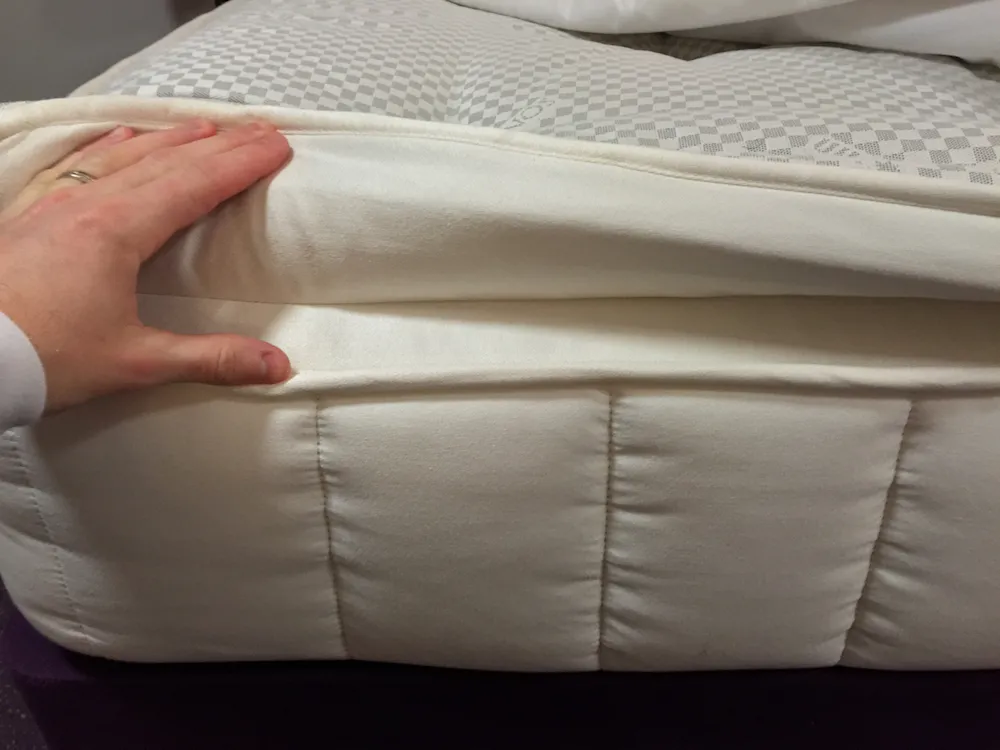



A mattress may look simple on the outside, but what lies beneath the surface plays a significant role in how comfortable and restful your sleep feels. The materials used in a mattress influence everything from body support and pressure distribution to temperature regulation and long-term performance.
Since every sleeper has unique comfort preferences and sleeping habits, understanding what goes into a mattress can make it easier to choose one that suits your needs. Looking beyond appearance or price also helps you make a more informed purchase that continues to deliver value over time.
Let’s explore how different mattress materials influence the overall sleeping experience and what to consider before choosing the right mattress for your home.

Understanding Different Mattress Materials and Their Benefits
Mattresses are available in a variety of materials, each designed to provide specific comfort and support benefits. Natural fibers, latex, and foam-based options have become popular choices due to their unique properties. Understanding how each material works can make the selection process easier.
- Natural Coir for Breathable and Cooler Sleep
Coir is one of the traditional materials used in mattresses and is made from coconut husk fibers. Its natural structure allows air to circulate through the mattress, helping create a cooler sleeping surface.
This material also provides a firmer feel and dependable support, making it ideal for sleepers who prefer a stable sleeping surface. Its lightweight construction allows easy handling, while its natural properties contribute to long-lasting performance. A natural coir mattress combines comfort with breathability, making it a practical option for everyday use.
- Latex for Responsive Comfort and Long-lasting Support
Latex is known for its responsive feel and ability to provide balanced support. Unlike materials that allow the body to sink deeply, latex offers gentle cushioning while maintaining a supportive structure. This helps distribute body weight evenly and promotes better spinal alignment during sleep.
Natural latex also has a breathable structure that supports airflow and helps reduce heat build-up. Pin-hole latex designs further improve ventilation by allowing air to move through the mattress layers. Its durability and elasticity make latex a preferred choice for people looking for long-term comfort with a responsive feel.
- Memory Foam for Enhanced Body Contouring
Memory foam is popular for its body-contouring properties and pressure-relieving benefits. The material responds to body weight and temperature, creating a personalized sleeping surface that supports natural body curves.
One of the key advantages of memory foam is motion isolation. It absorbs movement and reduces disturbances caused by changes in sleeping positions, making it suitable for people who share their bed. Its cushioning feel provides a comfortable sleep experience for those who prefer a softer and more adaptive mattress surface.
Factors to Consider When Choosing a Mattress Material
Selecting the right material depends on various factors, including sleeping position, climate, durability expectations, and personal comfort preferences. Understanding these aspects can help you choose a mattress that supports better sleep quality.
- Consider Your Sleeping Position and Support Needs
Sleeping position influences the type of support required from a mattress. Side sleepers often benefit from materials that provide cushioning around pressure points, while back sleepers usually require balanced support to maintain proper alignment. Stomach sleepers may prefer firmer materials that prevent excessive sinking.
The right material should provide comfort while supporting the body’s natural posture. Materials such as latex, coir, and foam offer different levels of firmness and responsiveness, allowing users to select an option that matches their sleeping style.
- Look for Breathability and Temperature Regulation
Temperature regulation is an important consideration when selecting a mattress, especially in warm and humid regions. Materials with better airflow help prevent heat retention and create a more comfortable sleeping environment.
Natural materials like coir and latex are known for their breathable properties. Their open structures allow air movement, helping maintain freshness throughout the night. Choosing a mattress with good ventilation can improve overall comfort and support uninterrupted sleep.
- Evaluate Durability and Maintenance Requirements
A mattress is a long-term investment, so material quality and durability should be considered before making a purchase. High-quality materials maintain their shape, support, and comfort for longer periods with proper care.
Checking features such as warranty coverage, trial periods, and maintenance requirements can help you understand the overall value of a mattress. Easy care practices, including regular rotation and proper support from the bed frame, can also improve its lifespan.
Select the Ideal Mattress Material Based on Your Sleeping Needs
Choosing the right mattress material can have a lasting impact on sleep comfort, support, breathability, and durability. Each material is designed with unique characteristics that influence how a mattress feels, performs, and adapts to different sleeping preferences.
Understanding these differences helps you evaluate available options with greater confidence and select a mattress that suits your comfort expectations, lifestyle, and everyday sleep needs. Paying attention to material quality and construction also contributes to long-term performance and a consistently comfortable sleeping experience.
Brands like Kurlon offer a variety of mattresses with different materials and comfort-focused features, making it easier to find an option that supports restful sleep.