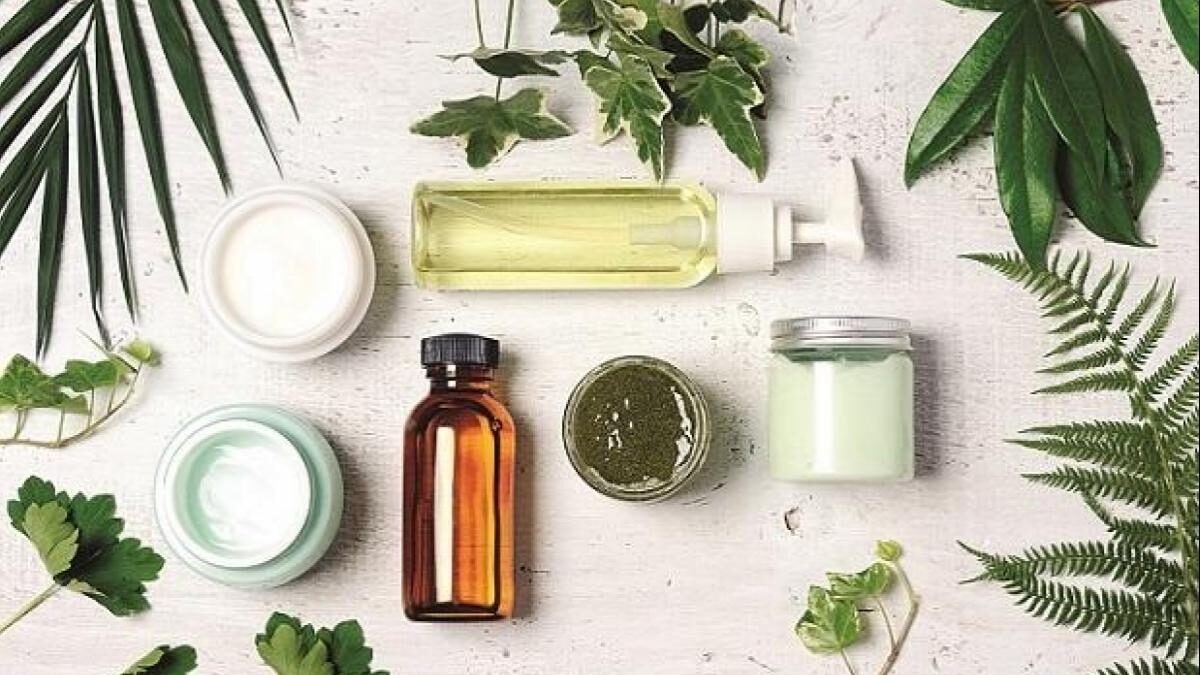



Ask most people what Ayurveda means to them, and they’ll talk about herbs, oils and rituals — rarely about where any of it actually comes from. That’s starting to change. As wellness brands like Blue Nectar, an Ayurvedic skincare brand built on this ancient science, scale up to meet global demand, a quieter but equally important story is unfolding behind the label: the question of whether the herbs powering your skincare routine were sourced in a way that protects the very ecosystems Ayurveda depends on.
This isn’t a side issue. It’s arguably the next frontier for Ayurveda’s credibility.
The Uncomfortable Truth Behind “Natural”
Ayurveda’s global popularity has a cost most consumers never see. Roughly 80% of the raw material used in the Ayurvedic industry is still wild-harvested from forests rather than cultivated, and rising demand has pushed a striking number of medicinal plant species — over a hundred, by some estimates — toward endangered status. Herbs like sandalwood, jatamansi and kutki, once abundant across Indian and Himalayan landscapes, have been so heavily over-harvested that several ethical herbal suppliers have had to stop selling them altogether until sustainable sources could be secured.

In other words: the same global love for Ayurveda that’s driving its modern comeback is also the thing that could quietly hollow it out, if sourcing isn’t taken seriously.
Responsible Sourcing, in Practice
For wellness brands doing this right, “responsible sourcing” isn’t a marketing line — it’s a set of concrete practices. It typically means three things working together: organic cultivation instead of unregulated wild collection wherever possible, fair and transparent payment to the farmers and collectors who grow or gather the herbs, and active monitoring of which species are under ecological pressure so they aren’t harvested past the point the ecosystem can recover.
Some Indian herbal manufacturers have taken this further — building direct farmer partnerships that pay above-market rates in exchange for longer, less aggressive harvest cycles, and investing in cleaner processing infrastructure, like solar-powered extraction facilities, to cut the environmental footprint of turning raw plant material into finished ingredient. The logic is simple: an ingredient can’t be called sustainable if the process behind it isn’t.
Why This Matters as Much as the Formula
There’s a temptation to treat sourcing as a back-of-house detail, separate from what actually goes on your skin. But Ayurveda was never meant to work that way. Its foundational principle is a relationship with nature — taking only what’s needed, in balance with what the land can give. A face oil formulated with impeccable science but sourced through unchecked wild harvesting isn’t really practicing Ayurveda; it’s borrowing its name.
This is why the sourcing conversation and the science conversation are, for a genuine Ayurvedic skincare brand, really the same conversation. Just as it matters whether a claim about an herb’s efficacy is backed by actual research rather than assumed on faith, it matters whether the herb itself was grown and harvested responsibly rather than stripped from a shrinking forest.
Where Blue Nectar Fits In
This is the standard Blue Nectar holds itself to. Our mission — Make Ayurveda Great Again — isn’t only about proving that Ayurvedic ingredients work through our Ayurveda Lab’s fact-based research; it’s about making sure the herbs behind that research have a future worth protecting. That means favoring cultivated over wild-harvested herbs wherever the science and the ecosystem allow, working with farming partnerships rather than anonymous supply chains, and treating every batch of saffron, sandalwood or ashwagandha as something borrowed from nature, not simply taken from it.
The Road Ahead
Indian wellness brands are, slowly but visibly, moving from “natural” as a buzzword to “responsible” as a discipline — auditing where herbs come from as carefully as they document what those herbs can do. It’s a harder, slower way to build a skincare brand. It’s also the only way Ayurveda survives its own success.
The real measure of an Ayurvedic brand’s authenticity, going forward, won’t just be whether its Kumkumadi Tailam is backed by a clinical study. It will be whether the saffron in that study’s bottle was grown in a way that lets the next generation study it too.