

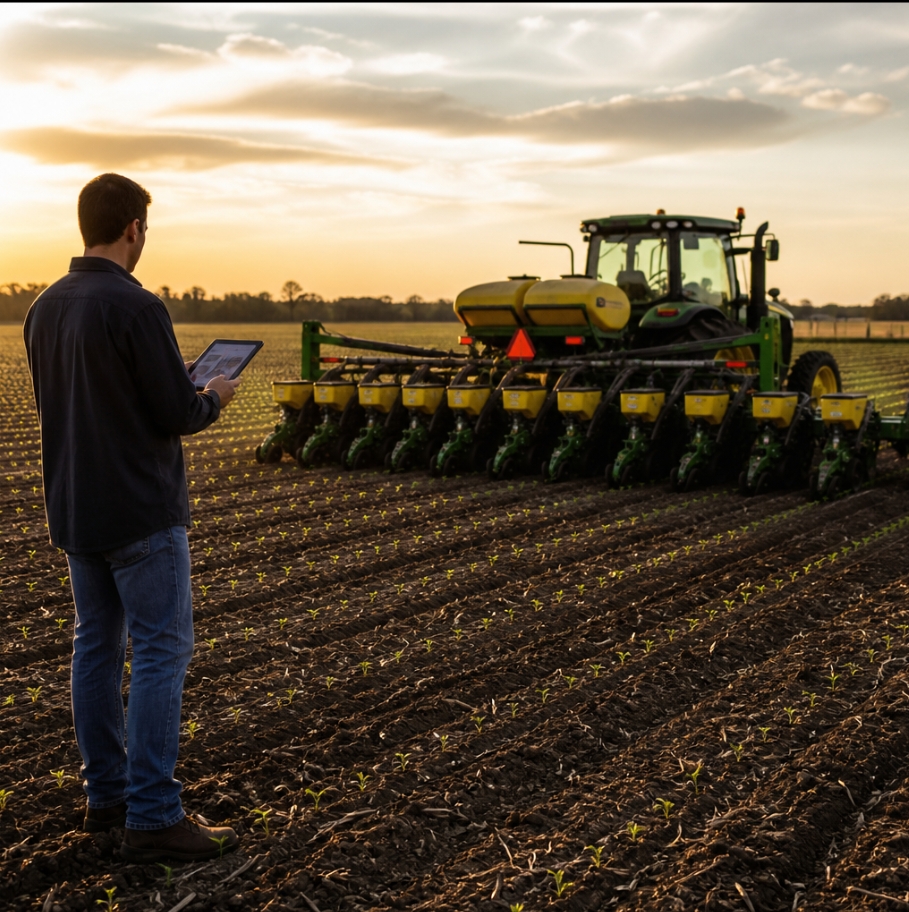



Modern agriculture demands efficient machinery that balances performance with financial sustainability. As farming operations scale and technology advances, the equipment choices farmers make directly impact their productivity, profitability, and environmental footprint. Understanding the nuances of planting machinery acquisition has become essential for agricultural operations of all sizes, from smallholder farms to large commercial enterprises.
The Economics of Planting Machinery Acquisition
Planting equipment represents one of the most significant capital investments for agricultural operations. The decision between new and pre-owned machinery involves careful consideration of multiple factors including initial cost, operational reliability, maintenance requirements, and technological capabilities. For many farming operations, particularly those in emerging markets or family-owned enterprises, choosing the right equipment at the right price point can determine financial viability for years to come.
When evaluating planting machinery options, farmers increasingly recognize that value extends beyond the purchase price. Operational efficiency, fuel consumption, precision capabilities, and compatibility with existing equipment all contribute to the total cost of ownership. For operations looking to expand their planting capacity without the substantial financial burden of brand-new equipment, exploring options for a used seed drill for sale offers a practical pathway to modernization while maintaining budgetary discipline.

Farm Mechanization and Rural Development
Access to appropriate agricultural machinery transforms farming communities by reducing labor intensity, improving crop establishment, and increasing yields. In regions where mechanization rates remain low, initiatives to expand equipment availability create cascading benefits throughout rural economies. Enhanced productivity allows farmers to cultivate larger areas, diversify crops, and improve household incomes, while freeing labor for other economic activities.
Corporate social responsibility programs have increasingly recognized farm mechanization as a catalyst for sustainable rural development. Recent initiatives demonstrate how providing farm mechanization equipment to marginal farmers creates measurable improvements in agricultural productivity and community welfare. These programs address critical gaps in equipment access that prevent smallholder farmers from adopting best practices in crop establishment and land management.
Technology Integration in Planting Operations
Contemporary planting equipment incorporates sophisticated technologies that optimize seed placement, depth control, and spacing precision. GPS guidance systems, variable rate controllers, and electronic monitoring capabilities have transformed planting operations from manual processes to data-driven precision activities. Even equipment manufactured several years ago often includes features that significantly outperform manual or basic mechanical methods, making quality used machinery an attractive option for farms transitioning toward precision agriculture.
The integration of technology in planting equipment also supports environmental stewardship goals. Precision seed placement reduces waste, optimizes input efficiency, and supports conservation tillage practices that protect soil health. For farmers committed to sustainable intensification, investing in capable planting equipment represents a foundational step toward environmentally responsible production systems.
Equipment Management Best Practices
Maximizing the operational lifespan and performance of planting machinery requires systematic management approaches that encompass maintenance scheduling, operator training, and strategic replacement planning. Proper equipment management extends asset value, reduces downtime during critical planting windows, and ensures consistent field performance across seasons. Managing machinery and equipment effectively involves understanding depreciation patterns, maintenance protocols, and operational best practices that preserve equipment functionality and resale value.
Maintenance Protocols for Planting Equipment
Regular maintenance prevents costly breakdowns and extends equipment operational life. For planting machinery, seasonal maintenance routines should include thorough cleaning to remove soil and crop residue, inspection of seed metering systems, verification of depth control mechanisms, and lubrication of moving components. Pre-season preparation ensures equipment readiness when weather conditions create narrow planting windows, while post-season storage procedures protect machinery from environmental degradation during idle periods.
Documentation of maintenance activities, repairs, and component replacements creates valuable records that inform future decisions about equipment retention or replacement. These records also enhance resale value by demonstrating responsible ownership and proper care, factors that significantly influence used equipment valuation in agricultural machinery markets.
HR Agri Power’s Role in Agricultural Equipment Markets
Established equipment providers serve critical functions in agricultural machinery markets by offering diverse inventory, quality assurance, and after-sale support that independent buyers require. Companies specializing in used agricultural equipment create marketplaces where farmers can access well-maintained machinery at accessible price points, while sellers find ready markets for equipment they are upgrading or retiring from service.
Quality dealers differentiate themselves through comprehensive equipment inspections, transparent condition reporting, and relationships with reputable manufacturers. These services reduce risk for buyers navigating used equipment markets, providing confidence that machinery will perform reliably despite previous operational hours. The availability of diverse makes and models through specialized dealers allows farmers to comparison shop and identify equipment that precisely matches their operational requirements and budget parameters.
Making Informed Equipment Decisions
Strategic equipment acquisition requires analysis that extends beyond immediate availability and price considerations. Farmers benefit from evaluating how specific machinery integrates with existing operations, whether parts and service support remain accessible, and how equipment capabilities align with evolving agronomic practices. Consultation with agronomists, equipment specialists, and peer farmers provides perspectives that inform better decision-making.
The timing of equipment purchases also influences value optimization. Seasonal market fluctuations, manufacturer incentive programs, and regional supply dynamics create opportunities for strategic buyers to secure better terms. Patient shoppers who thoroughly research options and maintain flexibility in timing often achieve superior outcomes compared to those making rushed decisions under immediate operational pressure.
Agricultural equipment investments shape farm productivity and profitability for years following purchase decisions. By approaching these choices with careful analysis, realistic assessment of operational needs, and understanding of total ownership costs, farmers position their operations for sustainable success in competitive agricultural markets.



