

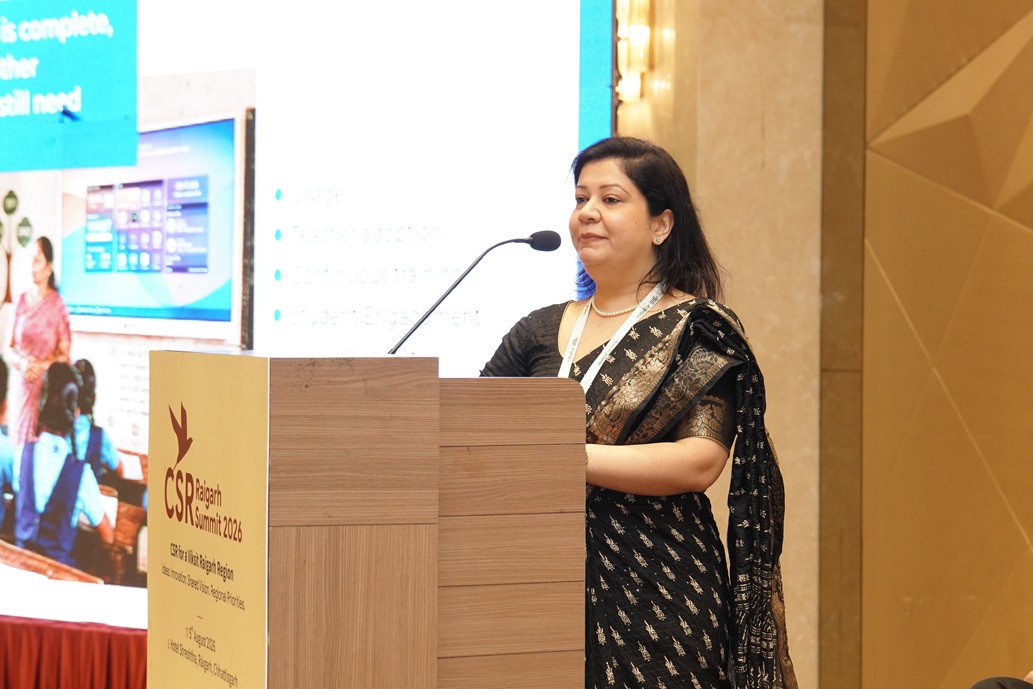



Cybernetyx leader outlines a connected education ecosystem combining AI-enabled classrooms, digital content, teacher training, real-time monitoring and measurable impact
RAIGARH (Chhattisgarh) (India CSR®): Installing digital equipment in a school is only the beginning of an education-focused Corporate Social Responsibility project. Its real success depends on regular usage, teacher adoption, student participation, continuous training and transparent impact measurement.
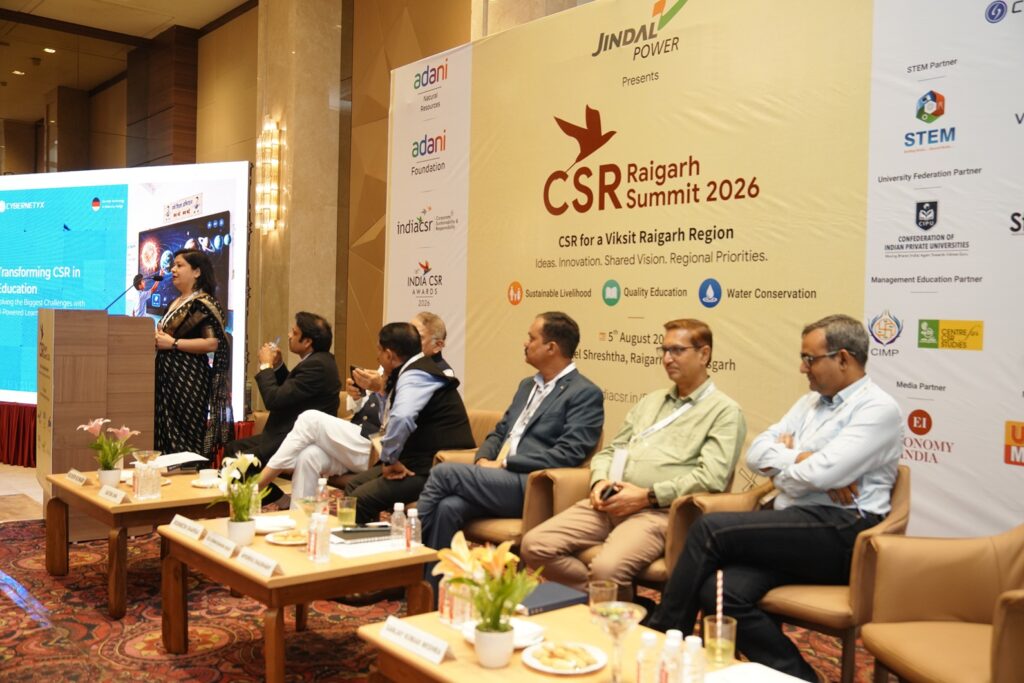
This was the central message delivered by Pooja Dhir, Vice President – Business Excellence and Customer Success, Cybernetyx Technik Private Limited, during her presentation titled “Transforming CSR in Education: Solving the Biggest Challenges with AI-Powered Learning” at the Raigarh CSR Summit, organised by India CSR® on August 5 at Hotel Shreshta in Raigarh.
Dhir presented a technology-driven framework designed to help companies move beyond one-time digital classroom installations. The proposed model connects AI-enabled teaching tools, K-12 educational content, teacher support, project monitoring and implementation services within a single ecosystem.

Installation Alone Cannot Guarantee Impact
Digital boards and smart classroom equipment have become important components of education-related CSR projects. However, the presentation highlighted that completing an installation does not automatically lead to better learning or sustained classroom use. Several challenges can emerge after the infrastructure has been deployed. These include low usage, limited teacher adoption, inadequate training, weak student engagement and poor visibility of the project’s actual impact.
The presentation cautioned that even one unresolved gap could affect the entire project. A digital board may be installed and functional, but its educational value remains limited if teachers are not comfortable using it or if the available content does not meet classroom requirements. This shifts the focus of CSR education programmes from the number of devices installed to how consistently and effectively those devices are used.
A Connected AI Education Ecosystem
Cybernetyx presented a connected ecosystem that combines its EyeRIS AI Digital Board, BrightClass K-12 educational content, an impact dashboard, remote training and support, and pan-India installation and service assistance. The model is intended to keep classrooms active, supported and measurable throughout the project lifecycle. The AI-enabled digital board provides the classroom interface, while BrightClass offers curriculum-oriented educational content. The monitoring dashboard gives CSR teams visibility into project implementation and usage. Remote support helps teachers address operational and instructional challenges without waiting for a physical visit. By linking these components, the model seeks to prevent technology, content, training and monitoring from operating as separate parts of a CSR project.
Measuring Attention, Attendance and Participation
One of the major themes of the presentation was the importance of tracking classroom engagement. The proposed system is designed to provide insights into attention, attendance and participation. It can generate engagement indicators, attendance insights, participation trends and signals related to technology adoption. Such information can help project teams identify schools or classrooms that may require timely intervention. If usage falls or participation remains low, CSR partners can examine the reasons and provide targeted support. This approach can also help implementing organisations distinguish between an installed classroom and an active classroom. The distinction is important because infrastructure completion is not the same as educational impact.
One Dashboard for the Entire Project
The presentation also underlined the need for greater project-level transparency. A unified dashboard can allow CSR leaders and implementation teams to view deployment locations, active classrooms, usage patterns, lessons and assessments, and emerging training needs. This creates a common monitoring platform for multiple schools and deployment locations. Instead of depending only on periodic reports or photographs of completed installations, CSR teams can examine whether classrooms remain operational and whether teachers and students are engaging with the system. The dashboard can also help identify differences among schools. Some schools may demonstrate regular usage, while others may require additional training, technical assistance or content support. For corporate donors, this visibility can strengthen programme governance and support evidence-based decision-making.
Teachers Remain Central to Digital Transformation
The presentation placed teachers at the centre of technology-enabled education. Digital learning tools cannot create meaningful change unless teachers understand how to integrate them into everyday teaching. A one-time orientation conducted during installation may not be sufficient, particularly when teachers have different levels of technological familiarity. The proposed model therefore includes need-based training delivered remotely. Project data can help identify gaps, following which targeted training and support can be provided.
This makes teacher capacity-building a continuous process rather than a one-time activity. Remote training can also reduce delays in supporting schools located far from major urban centres. Teachers can receive guidance on using classroom tools, accessing educational content and improving student participation.
Better Student Access Through Digital Content
The educational value of a smart classroom ultimately depends on whether it improves students’ access to useful and engaging learning experiences. The presentation demonstrated how AI-enabled digital boards and K-12 content could be used to explain subjects visually and interactively. Such tools can help teachers present complex concepts through digital lessons, images, demonstrations and assessments. For students, particularly those studying in schools with limited access to advanced learning resources, the model can widen exposure to interactive educational content. The intended impact is not restricted to providing hardware. It includes active classrooms, better student access, supported teachers and greater project transparency.
A New Benchmark for CSR Education Projects
For CSR stakeholders in Raigarh, the presentation offered a framework for examining education projects beyond conventional infrastructure indicators. The number of digital boards installed will remain an important implementation metric. However, long-term evaluation must also consider how frequently the boards are used, whether teachers have adopted the technology, how students are participating and whether training needs are being addressed.
This approach can help companies move from activity-based reporting to outcome-oriented monitoring. It can also enable CSR teams to take corrective action during the project instead of discovering implementation gaps only at the end of the funding cycle.
Partnership Needed to Scale the Impact
The presentation concluded with a call for partnerships to expand AI-powered education to students who need it most. “We have the technology, the content and the government mandate. We need your partnership to scale this impact,” the concluding message stated.
The session highlighted that the future of CSR in education will depend not merely on purchasing technology but on building a complete support system around it. By connecting classroom infrastructure with relevant content, continuous teacher training, engagement monitoring and transparent reporting, AI-powered learning can help turn digital education investments into sustained and measurable educational programmes.
The message from the Raigarh CSR Summit was clear: a successful digital classroom is not simply one where equipment has been installed. It is one that remains active, is confidently used by teachers, engages students and produces visible evidence of learning-oriented impact.
Cybernetyx develops AI-enabled interactive displays, digital learning applications and classroom collaboration tools for the education sector. Through CSR partnerships, its technology can help schools create engaging digital classrooms, support teachers, expand students’ access to quality educational content and monitor the effective use of learning infrastructure.
Leadership Session of Raigarh CSR Summit
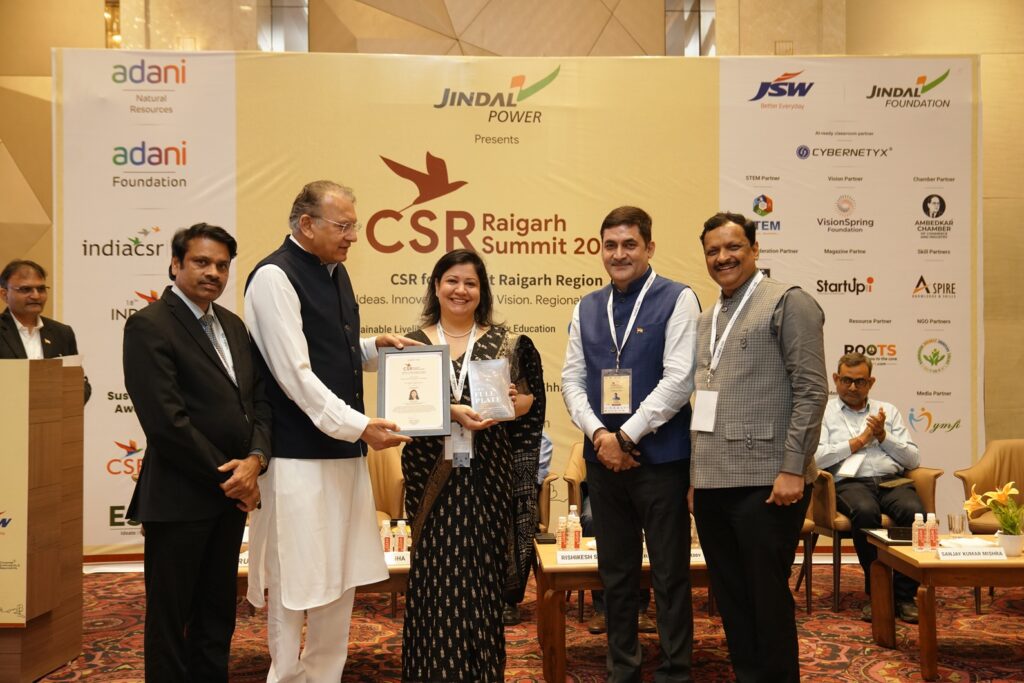
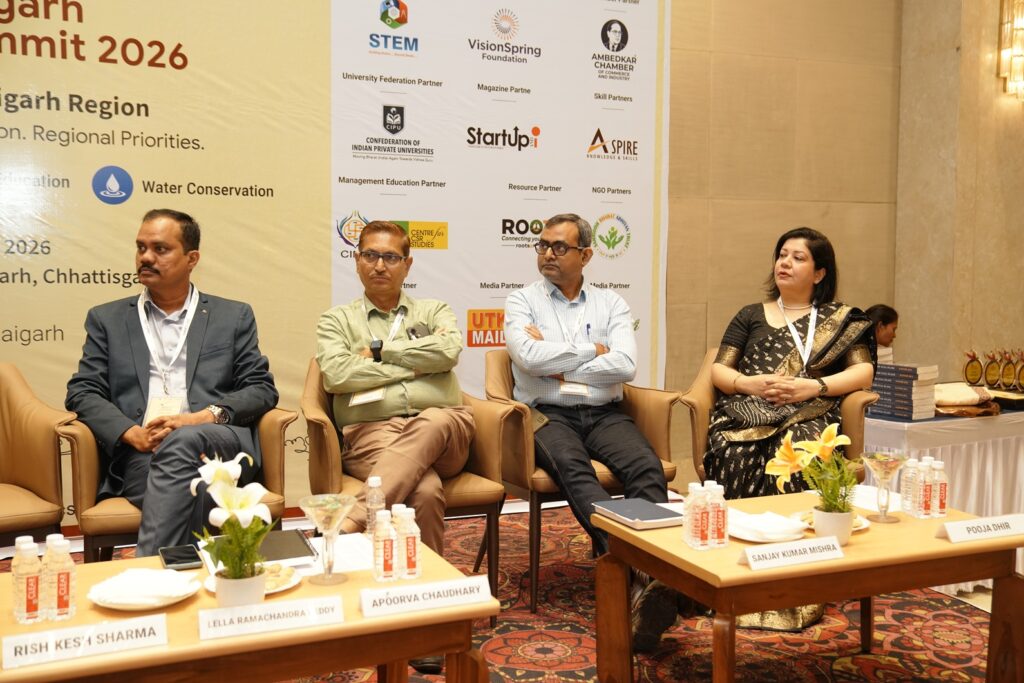
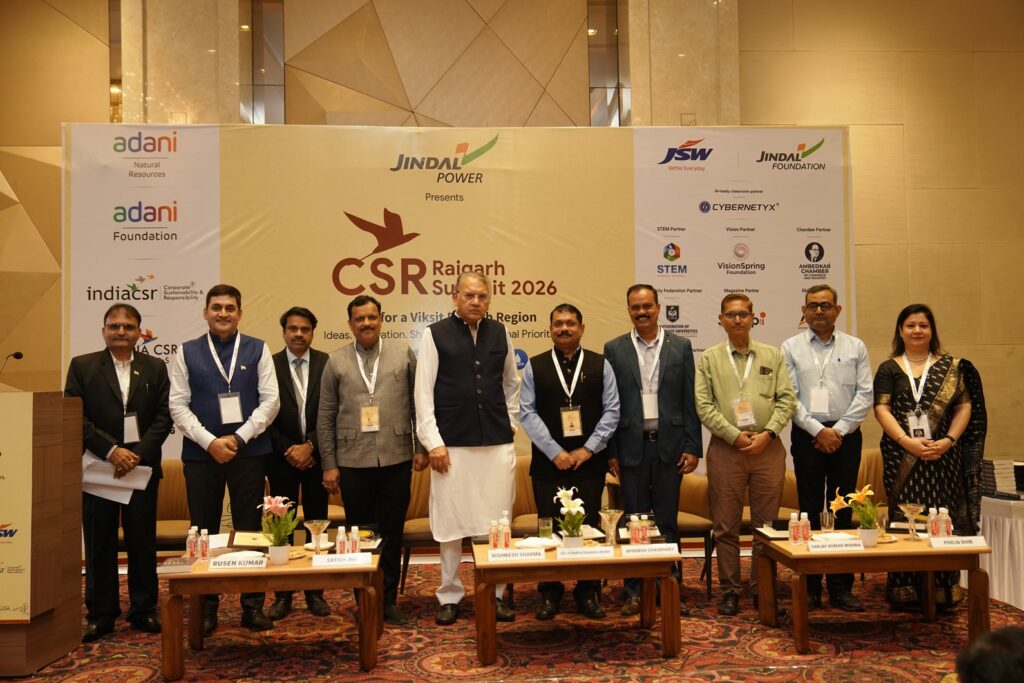
The Leadership Session at the Raigarh CSR Summit featured distinguished speakers, including Rusen Kumar, Founder and Editor, India CSR; Satish Jha, Entrepreneur, Philanthropist, Author and Former Journalist, USA; Rishikesh Sharma, Head–CSR, Jindal Power Limited; Lella Ramachandra Reddy, Chief of Cluster, Adani Enterprises Limited; Sanjay Kumar Mishra, Head of Administration, JSW Steel, Raigarh; Apoorva Chaudhary, Head–CSR, Jindal Steel, Raigarh; and Pooja Dhir, Vice President–Business Excellence and Customer Success, Cybernetyx Technik Private Limited. The session brought together diverse perspectives on responsible corporate leadership, community development, technology-enabled education, industry–community collaboration and the future of impactful CSR in Raigarh.
The Raigarh CSR Summit
The Raigarh CSR Summit, organised by India CSR and held in Raigarh, emerged as an important platform for dialogue on responsible business and sustainable regional development. The summit focused on how corporate social responsibility can address critical challenges in education, healthcare, livelihood, skill development, environmental protection and community welfare. Expert presentations and discussions emphasised the need for measurable impact, stronger partnerships and the responsible use of emerging technologies in CSR programmes. The summit received support from Jindal Power Limited, Adani Group, JSW Group, Jindal Steel Limited, Adani Foundation, Jindal Foundation and other leading corporate organisations from the Raigarh region. It witnessed strong and diverse participation from corporate leaders, CSR professionals, industry representatives, educators, social development experts, implementing organisations and other stakeholders. The exchange of experiences, innovative ideas and practical solutions made the summit a valuable forum for strengthening collaboration among companies, communities and development organisations.
© Copyright Disclaimer: All rights reserved. No part of this report may be reproduced, republished, distributed or transmitted in any form without prior written permission from India CSR®.



