


Industry body urges the Indian government to seek relief and protect exporters’ competitiveness in the American market
MUMBAI (India CSR): The United States’ decision to impose an additional 10% tariff on imports from India could create fresh challenges for the country’s gem and jewellery exporters, All India Gem and Jewellery Domestic Council Chairman Rajesh Rokde has said. The tariff action has been initiated under Section 301 of the U.S. Trade Act of 1974. It follows American investigations into the measures adopted by several trading economies to prohibit and regulate the importation of goods produced using forced labour.
The White House memorandum issued on July 23, 2026 directs the U.S. Trade Representative to impose a 10% tariff on goods from India, subject to specified product exemptions.
Tariff Could Affect Price Competitiveness
Reacting to the development, Rokde said the measure could make Indian gems and jewellery less price-competitive in the United States, a major export destination for the industry. “The U.S. government’s decision to impose a 10% tariff on imports from India under Section 301 will undoubtedly create challenges for our gem and jewellery exporters, making Indian products less price competitive in one of our largest markets,” Rokde said.

He added that while the tariff imposed on Indian products is lower than the 12.5% rate applicable to several other economies covered by the U.S. action, the measure could still exert pressure on exporters’ margins. “While the rate is lower than that imposed on some other countries, this measure still places significant pressure on margins and could dent the growth trajectory of our industry,” he said.
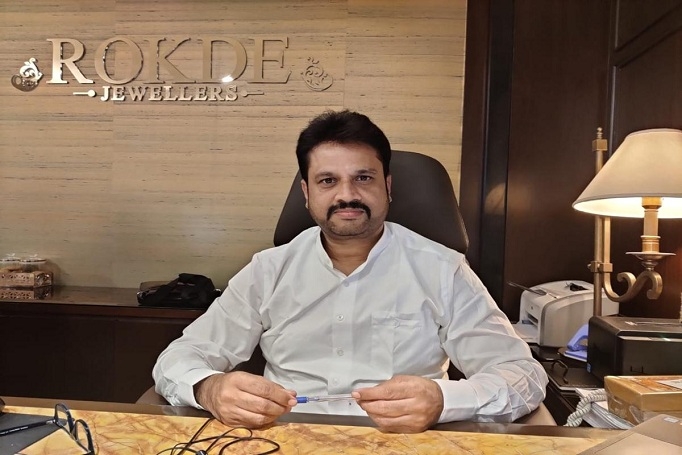
GJC Chairman Rajesh Rokde says the new 10% U.S. tariff may pressure Indian gem and jewellery exporters, affect margins and weaken price competitiveness.
GJC Seeks Government Intervention
Rokde urged the Government of India to initiate discussions with the U.S. authorities to secure appropriate relief or product-specific exemptions for the gems and jewellery sector. “As Chairman of GJC, I urge the Government of India to engage with U.S. authorities at the earliest to resolve this issue and seek relief or exemptions,” he said.
According to Rokde, maintaining the competitiveness of Indian jewellery in international markets is important for protecting employment and sustaining the country’s position in the global gems and jewellery industry. “Protecting the competitiveness of Indian jewellery exports is vital to sustaining livelihoods and reinforcing India’s position as a trusted global leader in gems and jewellery,” he added.
India Placed in Lower Tariff Category
The American action covers 60 economies investigated by the Office of the United States Trade Representative. India was placed in the 10% tariff category after the U.S. administration noted that the country had introduced measures prohibiting imports involving forced labour.
Other economies covered by the 10% rate include Bangladesh, Canada, Indonesia, Malaysia, Mexico, Pakistan, Sri Lanka and the United Kingdom. A higher rate of 12.5% applies to several remaining economies, while certain products have been exempted.
The precise impact on India’s gem and jewellery industry will depend on the products covered under the final U.S. tariff schedule, applicable exemptions, existing customs duties and how exporters and American buyers distribute the additional cost.
Exporters Await Product-Level Clarity
Industry stakeholders are expected to examine the detailed Harmonized Tariff Schedule to determine which categories of diamonds, gemstones, gold jewellery and other products will attract the additional levy. Exporters may also assess pricing strategies, contractual obligations and alternative markets as they respond to the changing trade environment.
The GJC’s appeal highlights the industry’s concern that additional tariffs could weaken demand, compress margins and place Indian suppliers at a disadvantage in the important American market.