




Vidya Bharati Expansion Plan Targets Every District, Municipality and Panchayat, Seeking to Add at Least 687 New Schools Within One Year
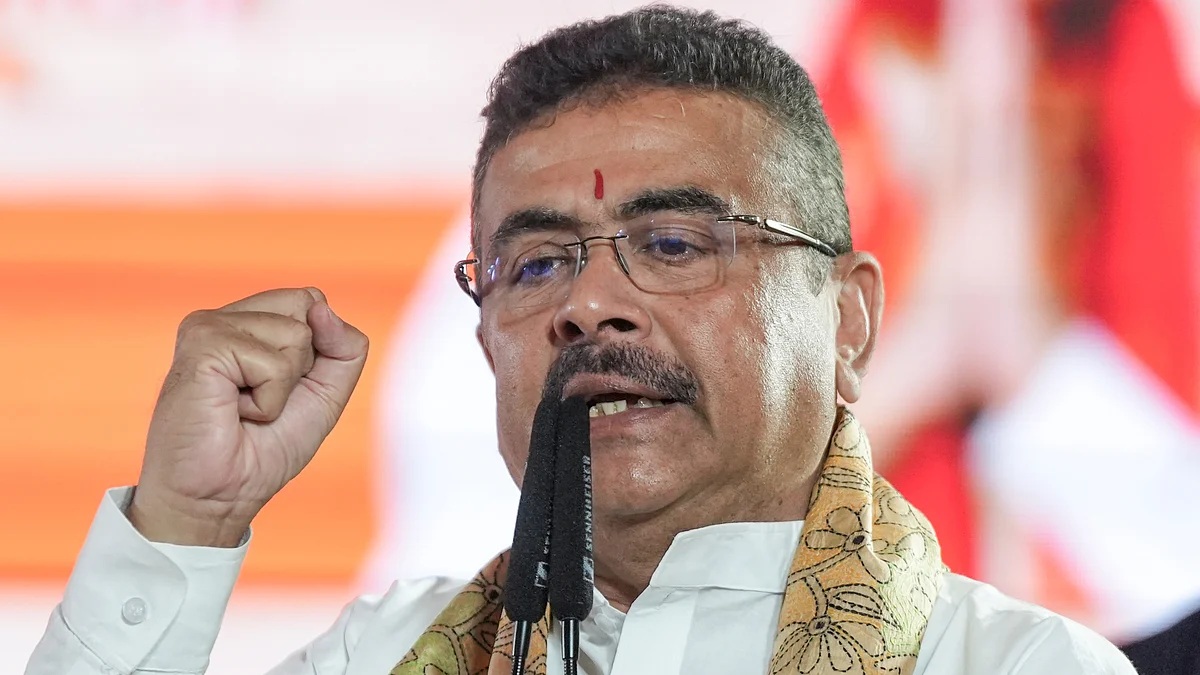
KOLKATA (India CSR): West Bengal Chief Minister Suvendu Adhikari has announced a target to establish at least 1,000 schools affiliated with Vidya Bharati, the education wing of the Rashtriya Swayamsevak Sangh (RSS), across the state within the next year. The proposed expansion, to cover districts, municipalities and panchayats, has brought the state’s school education policy into sharp focus, combining questions of access, institutional capacity, curriculum and the role of ideology in public life.
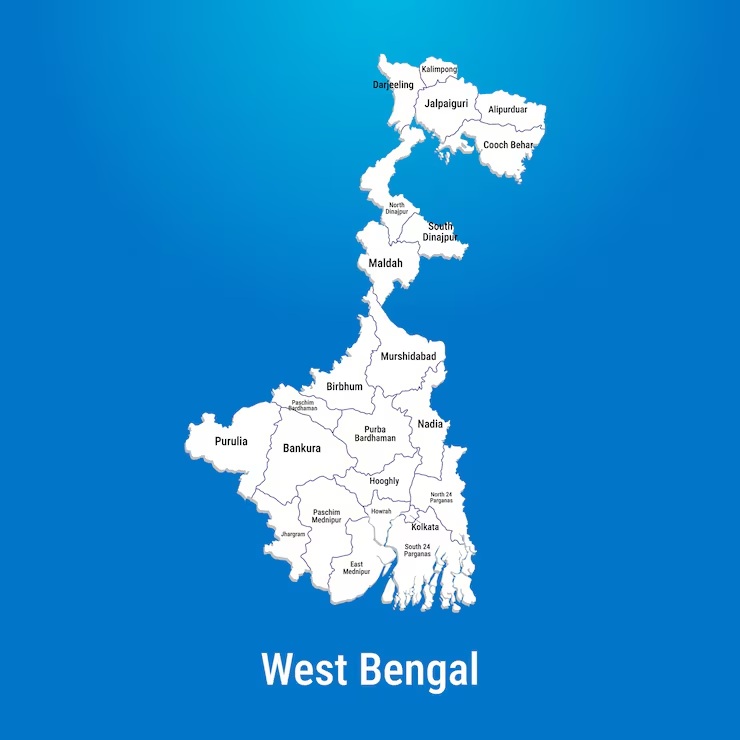
Adhikari made the announcement at an event in Kolkata marking the 74th anniversary of Vidya Bharati. He asked the organisation to take responsibility for what he described as “nationalistic learning” and said its leadership would be invited to engage with the state education department. The Chief Minister also called for more Vidya Bharati schools in Murshidabad and South 24 Parganas, making allegations about anti-national activities in the two districts.
The proposed scale is substantial. West Bengal currently has 313 Vidya Bharati schools, according to reports citing the organisation’s representatives. Reaching 1,000 schools would therefore mean adding at least 687 institutions within a year—more than tripling the present network in the state. Nationally, Vidya Bharati operates more than 12,000 schools and around 10,000 Bal Sanskar Kendras, according to reports on the announcement.

Education Network Expansion
Vidya Bharati is a nationwide education network associated with the RSS, which is the ideological parent organisation of the Bharatiya Janata Party. Its institutions are generally known for combining mainstream school education with an emphasis on Indian cultural traditions, civic values, discipline, patriotism and national identity.
The organisation’s stated vision refers to building a national education system that nurtures students committed to Hindutva and patriotic values. Its schools operate across different regions and include institutions at primary, middle, secondary and senior-secondary levels. The proposed West Bengal expansion would make the state an important new area of growth for the network.
However, the announcement does not by itself specify the locations, land arrangements, source of capital, fee structure, board affiliation, management model or timeline for approvals of the proposed schools. These operational details will determine whether the one-year target can be achieved and how the institutions will be integrated into Bengal’s wider education ecosystem.
Statewide School Context
West Bengal already has a large and diverse school system. UDISE+ 2024-25 data records 93,715 schools in the state, with enrolment of about 1.71 crore students and 5.84 lakh teachers. Against this base, an addition of 1,000 schools would represent a little over 1% of the state’s total school count. Yet its significance would extend beyond numbers because the proposed institutions would be linked to a particular educational and ideological network.
The state’s school system includes government schools, government-aided institutions, private unaided schools, religious minority institutions and schools run by charitable organisations. Any large addition of new schools will need to address practical issues such as the availability of trained teachers, compliance with state and board norms, learning outcomes, student safety, infrastructure and affordability for families.
For communities in remote or underserved areas, new schools can potentially improve access where existing institutions are distant or overcrowded. But education experts frequently underline that expansion must be accompanied by adequate teaching resources, transparent admissions and measurable learning quality—not only new buildings or enrolment capacity.
Proposed Department Merger
Alongside the school-expansion target, Adhikari indicated that the state could merge its four education departments—school education, higher education, technical education and minority education—into a single department. He said there should not be a separate administrative arrangement for madrassa education.
The Chief Minister also referred to Aliah University, which has been managed by the state’s minority affairs department, and said the government would not support an arrangement in which higher education institutions were supervised through different departmental structures. No formal government notification on the proposed merger had been reported at the time of writing.
If implemented, such a restructuring would be a major administrative change. Supporters may argue that a unified department can reduce duplication and bring common standards across institutions. Critics, however, may seek clarity on whether the move would protect the distinct legal, academic and cultural requirements of minority educational institutions.
Vande Mataram Remark
Adhikari also said that government aid could be stopped for educational institutions that refused to sing the full version of Vande Mataram. He was quoted as saying that some institutions had agreed to stand but were not singing the words, after which he asked officials to ensure compliance.
The statement is likely to generate debate because government funding, institutional autonomy, minority rights and freedom of conscience are sensitive issues in school education. Any policy action linked to grants or recognition would require a clear legal and administrative basis and would be subject to applicable constitutional and education regulations.
The 1,000-school target therefore represents more than an expansion of institutions. It signals the BJP-led West Bengal government’s intention to reshape the education landscape through new networks, administrative consolidation and a stronger emphasis on its stated vision of nationalistic learning.
© Copyright Disclaimer: All rights reserved. No part of this report may be reproduced, republished, distributed or transmitted in any form without prior written permission from India CSR®.



