

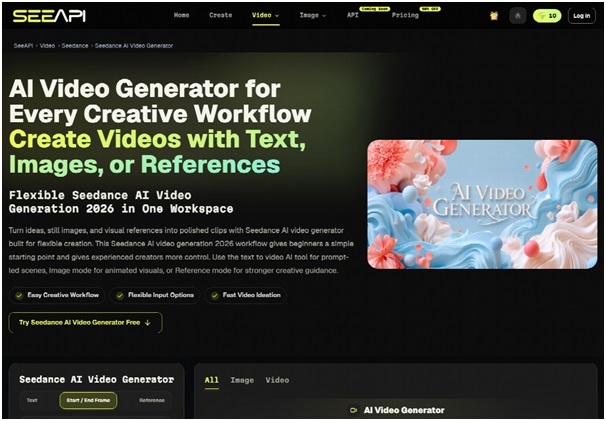



CSR impact films on Indian desks rarely die from weak B-roll. They die when the village or project nameplate smears into a cousin toponym by frame four, and the grant reviewer spends the afternoon arguing which settlement the film actually documents. The Seedance 2.5 API preview matters here because ByteDance officially launched Seedance 2.5 with a much larger multimodal reference budget — but that budget only helps when signed field stills are attached first, not when a moodboard guesses the plaque text.
Grant cycles already carry a hidden cost for this failure. A wrong village name next to an “impact verified” caption opens a consent question, a field partner call, and a reporting window that closes while someone hunts the original nameplate photo. Motion should prove the settlement compliance cleared, not invent a second hamlet. Seedance 2.5 lists on the model matrix as Next-Gen Preview with published credit lines; the public API path is still coming soon. None of that rescues a film if the reference stack opens with stock hills instead of the signed plaque still.
Wrong Village Name On Frame Four Kills CSR Films
Impact clips look harmless in a muted timeline. The camera pans across the project gate, light catches the painted nameplate, and the cut feels donor-ready. Hold that same frame against the field photo compliance approved and the engraved village line often smears — extra syllable, missing letter, or a settlement string that never existed on the plaque legal signed.

On a live CSR desk, producers usually catch the error only after the grant summary is pasted and the impact URL block is locked. That single miss sends the film back to rework. The afternoon is no longer about camera taste. It is about whether the clip can defend the village name the report already filed.
Donor audiences read nameplates the way auditors read annex tables. They pause. They zoom. They compare the painted line to the signed field photo. If the motion invents a new settlement label, the film cannot ship, no matter how smooth the drone move looked at second two.
Field stills usually include a tiny consent cluster — partner logo, date stamp, a boundary marker — that reviewers treat as proof the visit was real. When motion melts that cluster into a gray smudge, the questions do not say “nice lighting.” They ask whether the desk reviewed a cousin village from the same district map. That question burns more staff time than another generate click.
Moodboards Guess Toponyms That Field Stills Already Named
Moodboard prompts ask the model to guess which settlement is on the gate. “Cinematic rural uplift, golden hour, hopeful community” does not name the village, the project code, or the safe zone around the painted characters. The model then paints a prettier hamlet. Pretty is how cousin village names get into grant films.
The object of work is the still the field team already signed: full nameplate, readable script, no finger over the engraved line. ByteDance’s Seedance 2.5 launch expanded single-pass reference capacity to up to thirty images, ten videos, and ten audio tracks in one generation — but that capacity is for consent stills and signed field photos, not for ten stock sunsets that never carried the plaque text.
Reject Clips Where The Plaque Characters Smear
The pass rule is blunt. Scrub to the frame where the nameplate is largest. If a colleague cannot read the same village string as the signed field photo, the clip is discarded. Soft weathering on the paint is allowed. A warped character, a melted partner logo, or an invented second line is not.
The thumbnail can look clean while the largest nameplate frame already shows a cousin settlement. Do not debate cinematic mood after that compare. Fix the reference crop or kill the cut.
Name Exports With The Village String Not Final V Seven
Name the export with the settlement and the reject reason: Khetwadi-plaque-smear, not final_v7. In our pipeline that filename is the only way a later editor knows why a glossy clip never shipped. The pass rule belongs beside the file, not in a chat thread compliance cannot find at midnight.
Seedance Two Five Reference Budget Serves Signed Field Stills
ByteDance launched Seedance 2.5 with thirty-second single-pass capacity and a reference stack built for real production intake: up to thirty images, ten videos, and ten audio references in one pass. On CSR desks that maps cleanly to signed gate photos, consent stills, boundary markers, partner logos, and short ambient field audio — not to a Pinterest board of “rural India vibes.”
The workspace path stays linear for teams testing now: choose Fast, Quality, or Lite, write a motion prompt, attach image or video reference, generate, then compare. Try Seedance 1.5 and 2.0 online today; preview 2.5 on the matrix before the public generate endpoint ships. Credits never expire in one balance, which makes a logged reject on a locked plaque cheaper than a grant correction that also pulls the impact URL, the donor deck, and the annex caption that already went live.
Stack Consent Stills Before Mood References
Order the reference queue by legal weight. Plaque front, wide gate with readable text, partner sign-off still, then optional B-roll that does not contradict the engraved name. If a stock hill shot sits above the signed plaque crop, the model treats the mood as truth and the consent still as decoration.
When comparing outputs, hold the largest nameplate frame beside the field photo. The question is not “does this feel like impact.” The question is “can this frame sit under the same village string the report already filed.”
Route Fast Passes To Plaque Lock Tests First
Run the first pass short. Five seconds at Fast tier is enough to see whether the engraved line holds when the camera leans in. If the village smears, do not escalate resolution. Change the crop or the allowed motion, then generate again. Escalating a broken lock only burns a cleaner wrong toponym.
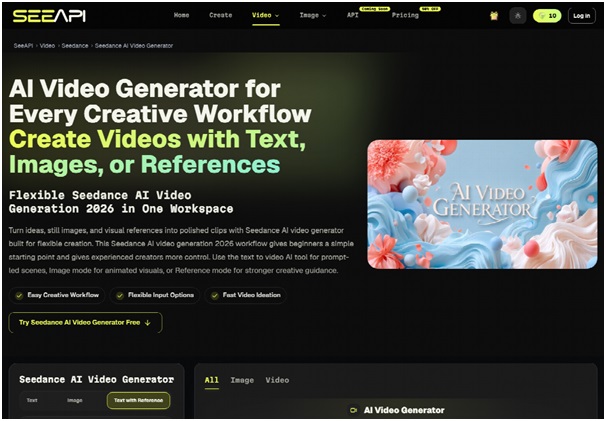
SeeAPI keeps Fast, Quality, and Lite in one workspace so the CSR desk does not open a second vendor just to test a five-second gate push-in. Free accounts receive ten watermarked credits per month on the SeeAPI provider path — enough to log a reject protocol, not enough to ship a donor-facing HD film without a paid tier.
Reference Stack Versus Moodboard Stack On CSR Desks
Grant teams often treat reference slots like a moodboard counter. Seedance 2.5’s official capacity rewards the opposite habit: fill slots with evidence the compliance folder already contains.
| Slot type | Moodboard habit | Signed-field habit |
| Image refs (up to 30) | Stock hills, generic faces, color palettes | Plaque front, gate wide, partner logo, boundary marker |
| Video refs (up to 10) | Drone montage from another district | Short locked pan across the approved gate only |
| Audio refs (up to 10) | Library music beds | Ambient field clip without invented narration |
| Pass question | Does it feel uplifting? | Does the plaque match the signed still? |
Read the table as an intake gate, not a feature checklist. If the left column describes your upload folder, the output will invent a cousin village even when Seedance 2.5 preview is selected on the SeeAPI workspace.
Grant Cycle Pressure Turns Smears Into Compliance Risk
Reporting seasons compress field proof into same-week edits. Producers reach for motion because stills feel static beside donor narratives. That shortcut works only when the nameplate still leads the reference stack.
When a film ships with a smeared settlement label, the cost lands as a field partner call, a consent re-read, and a donor question about whether the project visited the village named in the annex. CSR desks learn quickly that cousin toponyms read as fabrication even when the B-roll looks expensive.
Fake Cousin Village Names Fail Donor Review
District maps contain many settlements with similar prefixes. Motion models exploit that similarity when the plaque still is weak. The film then shows a plausible-sounding cousin name that never appeared on the signed gate photo — readable enough to pass a quick scrub, wrong enough to fail a compliance compare.
That failure pattern is why grant reviewers ask for the field still beside the clip, not for another cinematic adjective in the prompt box.
Field Audit Protocol Before Any Impact Extension
Before anyone asks Seedance 2.5 to extend a gate shot, the desk should run a plaque lock on the still. Attach the signed nameplate, request the shortest allowed move, generate, compare. If the engraved line fails, extension only lengthens the wrong village name.
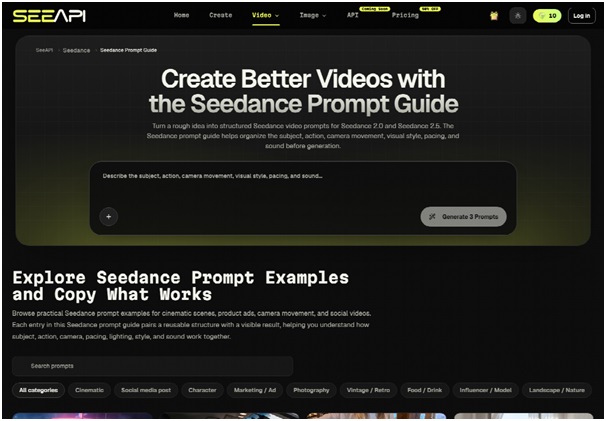
CSR producers already document visits with photo chains. The multimodal reference budget exists to carry that chain into motion, not to replace it with stock imagery. SeeAPI’s compare step keeps the decision in one view so compliance can reject smears before the impact URL locks.
Log Rejects Beside The Grant Folder Not The Chat
Store reject notes next to the consent PDF and the field still folder. A Slack thread does not survive a mid-cycle auditor handoff. Filename discipline — village string plus smear reason — is how the next producer knows why a beautiful drone pass never reached the donor portal.
Paid tiers remove the watermark and unlock commercial use on the platform; the free monthly credits still help teams practice the lock without shipping a non-compliant HD export.
Nameplate Kill Gate Before The CSR Film Ships
Before an impact film goes live, run the clip against the signed nameplate photo. If the village string cannot be read on the largest plaque frame, the cut stays off the donor site. SeeAPI keeps the compare step in one workspace so that decision happens before grant summaries and impact URLs lock.
Spend on the lock now. Keep the field still. Write the reject. Let later credits retest the same gate instead of inventing a prettier settlement that auditors will catch in an hour.


