

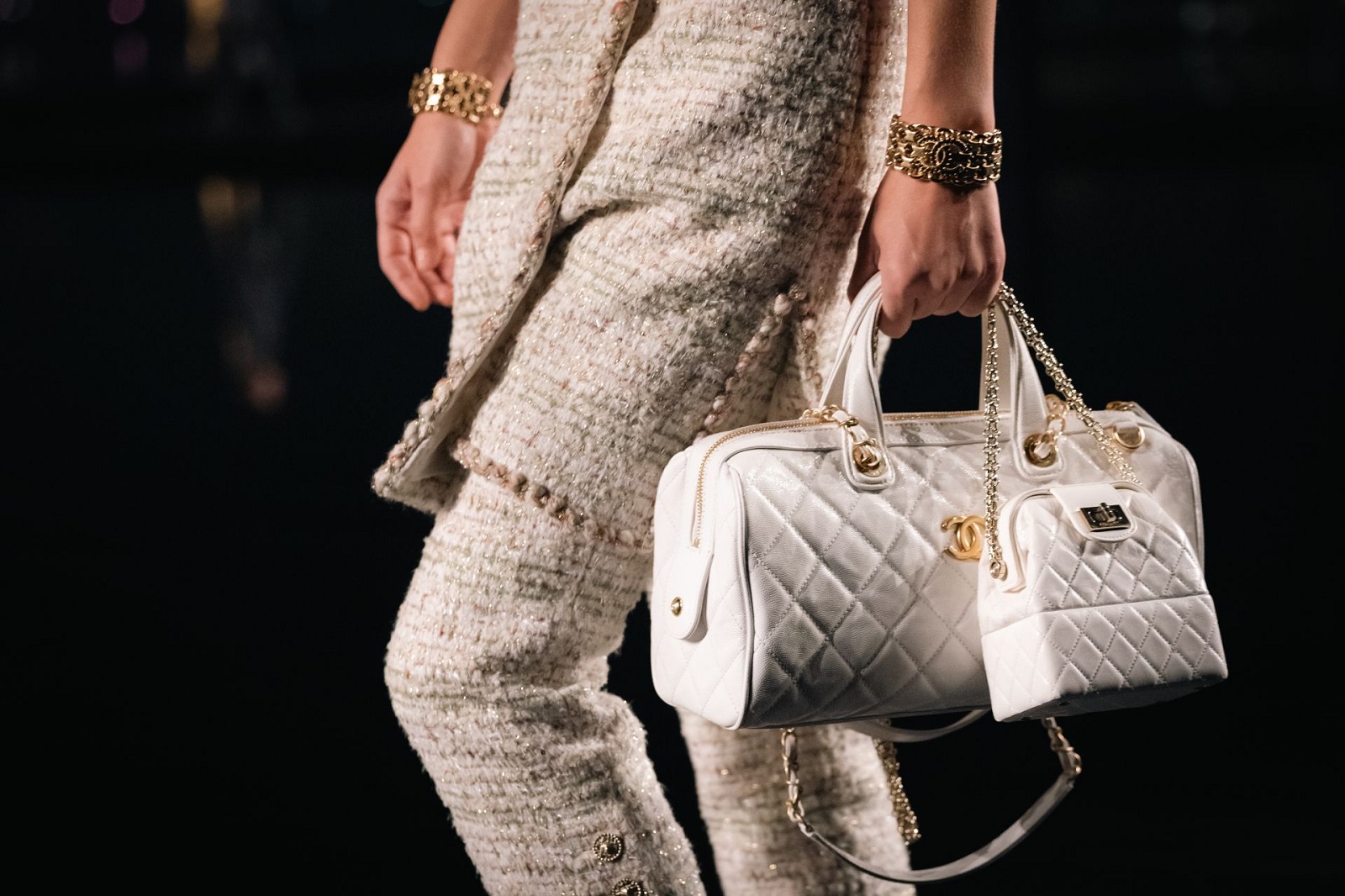


A pre-owned Chanel Classic Flap can look like an easy sustainable fashion choice. It already exists, somebody else has carried it, and buying it avoids ordering a newly made example of that particular bag. Yet none of that tells you whether it will leave your wardrobe. A delicate lambskin bag bought for an imagined social life may sit untouched while you continue buying bags for everyday use.
The difficult questions concern condition checks and daily use. Can you carry what you need without forcing the closure? Are you comfortable with the existing wear? Will you follow the care instructions when you get home tired? A secondhand purchase makes a more convincing personal choice when it answers those questions. The resale label alone cannot establish an environmental benefit, and a seller’s condition description is no substitute for deciding whether the bag fits your habits.
Resale changes ownership; your habits decide what happens next
Buying a used bag transfers an existing object into another wardrobe. Whether it displaces a new purchase, joins a growing collection or becomes something you quickly sell again depends on your behavior, which is why neither its price nor its age can establish the carbon saving associated with your decision. That would require evidence. Resale alone does not supply it.
Start with the job the bag needs to do. If your current handbag is perfectly usable, wanting a Classic Flap remains a desire rather than proof of an environmental need. You can acknowledge that and still make a considered purchase. Delay becomes useful when it reveals that you want the photograph of the bag more than the experience of carrying it.
Replacing an awkward everyday bag raises a different question. Before choosing between a caviar finish and a lambskin surface, write down what prevents daily use of your current bag, whether that is an uncomfortable carry position, a compartment you cannot reach easily or the need to leave essential belongings behind. Fix that problem first. The surface preference comes after the bag earns its place.
Choose a shape around the things already in your bag
Luxury Evermore’s Chanel collection includes Classic Flap, Boy, Coco Handle, GST, PST and Deauville Tote styles, with listings spanning caviar, lambskin and calfskin. That range gives a buyer several starting points, but the name of a style does not establish the capacity or condition of the particular example for sale.
Lay out your usual wallet, phone, keys, glasses and any medical essentials before browsing. Decide which must travel in the Chanel bag and which currently come along only because there is spare room. Compare the actual listing dimensions and interior photographs with that pile. A flat photograph can make a compartment look generous while hiding the space occupied by internal divisions.
For a Classic Flap, look closely at the opening and the area available when the bag is closed. With a Coco Handle, examine both the handle and the available strap arrangement rather than assuming every carry option suits you. If a tote catches your eye, consider what happens to small belongings inside it. Buying another organizer to compensate for a poor match may consume more of the space you thought you were gaining.
Condition checks should separate appearance from usability
A corner mark may bother a collector more than a daily wearer. A sticking closure is another matter. Make condition checks specific enough to distinguish those concerns by requesting clear photographs of the base, corners, edges, lining, hardware and strap attachments, so that you can compare the same areas across candidates instead of judging unrelated views. Study the whole bag. A flattering front panel cannot settle every question.
Caviar texture and a smoother lambskin surface can present wear differently in photographs. Neither material name tells you whether the individual bag has damage or previous restoration. Ask what work has been performed and whether the description includes it. A repaired item need not be unsuitable, but you should understand the repair before deciding what the asking price means to you.
Give functional concerns priority. A Classic Flap that cannot comfortably close around your essentials is unsuitable even if its visible panels are immaculate. Equally, a bag with disclosed cosmetic wear may still suit you if its functions work and you accept its appearance. Do not buy with an unverified plan to make every mark disappear later. Repairs and refinishing need their own assessment.
Leather choice is also a choice about care
Chanel’s official bag care guidance advises against overfilling and prolonged contact between contrasting dark and light colors. It also recommends protection from extended exposure to light and moisture. These instructions matter to both a caviar bag selected for daily use and a lambskin bag kept for occasions; a textured surface does not cancel the need for care.
Think about the journey your bag makes through an ordinary day. Does it rub against dark denim? Does it wait beside a sunny window? Do you tend to squeeze a water bottle into whatever space remains? These are buying questions because they can rule out a color, size or intended use before money changes hands.
Soft leather can be an entirely reasonable preference if you like handling it carefully. It becomes a poor match when protecting it makes you reluctant to carry it at all. Someone who chooses caviar still needs to accept its existing condition and follow the care guidance. There is no finish that turns a valuable handbag into an object requiring no attention.
Read the seller’s assurances at their actual scope
For shoppers comparing Luxury Evermore’s pre-owned Chanel collection, the retailer states that its Chanel pieces are physically authenticated and held in Singapore, with domestic and international shipping available. Those are the retailer’s statements about its service. They do not resolve the separate questions of wear, fit or the environmental consequences of your purchase.
Ask what evidence accompanies the particular bag and which listing details describe its present condition. Keep those answers. When ordering internationally, confirm the delivery arrangements, applicable charges and return terms before buying, then retain the item description alongside the seller’s answers so you can compare the delivered piece with what you were offered while the details are still clear. General shipping information is not enough.
Authentication and condition deserve separate attention. A genuine item can be heavily worn; an attractive photograph cannot establish authenticity. Sustainable fashion does not become more credible when either question is glossed over. Taking time to resolve uncertainty may prevent a purchase that never enters daily use, even if the listing initially seemed like a fortunate find.
Storage belongs in the purchase decision
Chanel recommends keeping a bag upright in its original bag and wrapping chains or straps in tissue paper when storing it. The guidance also warns against moisture and prolonged light exposure. Check whether your own storage space can accommodate that routine before assuming an expensive purchase will look after itself between outings.
A shelf packed with bags leaning against each other may be convenient, but it can leave a chain pressing against a neighboring surface. Make room before adding a Classic Flap or Boy bag. For a pre-owned piece, establish which storage accessories are included instead of treating a missing dust bag as an unexpected discovery after delivery.
Care should be realistic. Storage that is difficult to reach can discourage you from putting the bag away properly, while a place that hides it behind other possessions can make it easy to forget, so choose somewhere that protects the item without removing it from your routine. Keep it usable. Ownership need not become an elaborate project you soon abandon.
Let the final decision include the option to wait
Before purchasing, explain to yourself where this bag will go during an ordinary week. Describe the belongings it will carry, the clothing it will touch and the condition issues you have accepted. If the answer relies on changing your entire routine, the listing may be attractive without being right for you.
Compare that answer with what you already own. Perhaps a comfortable existing bag only needs appropriate professional attention. Perhaps a different Chanel style solves a genuine limitation. Or perhaps the desirable lambskin piece should remain on your wish list until your daily use changes. None of those outcomes requires a claim about guaranteed resale value or invented environmental savings.
The most useful sustainable fashion decision here is a modest, testable one: choose an existing bag whose condition you understand and whose care you are prepared to maintain. Then carry it. A pre-owned purchase earns its place through use, while the environmental story remains something to assess with evidence rather than attach automatically to the label.



