




Lasting employee wellness starts with how a company treats its people. Not how many health challenges it runs.
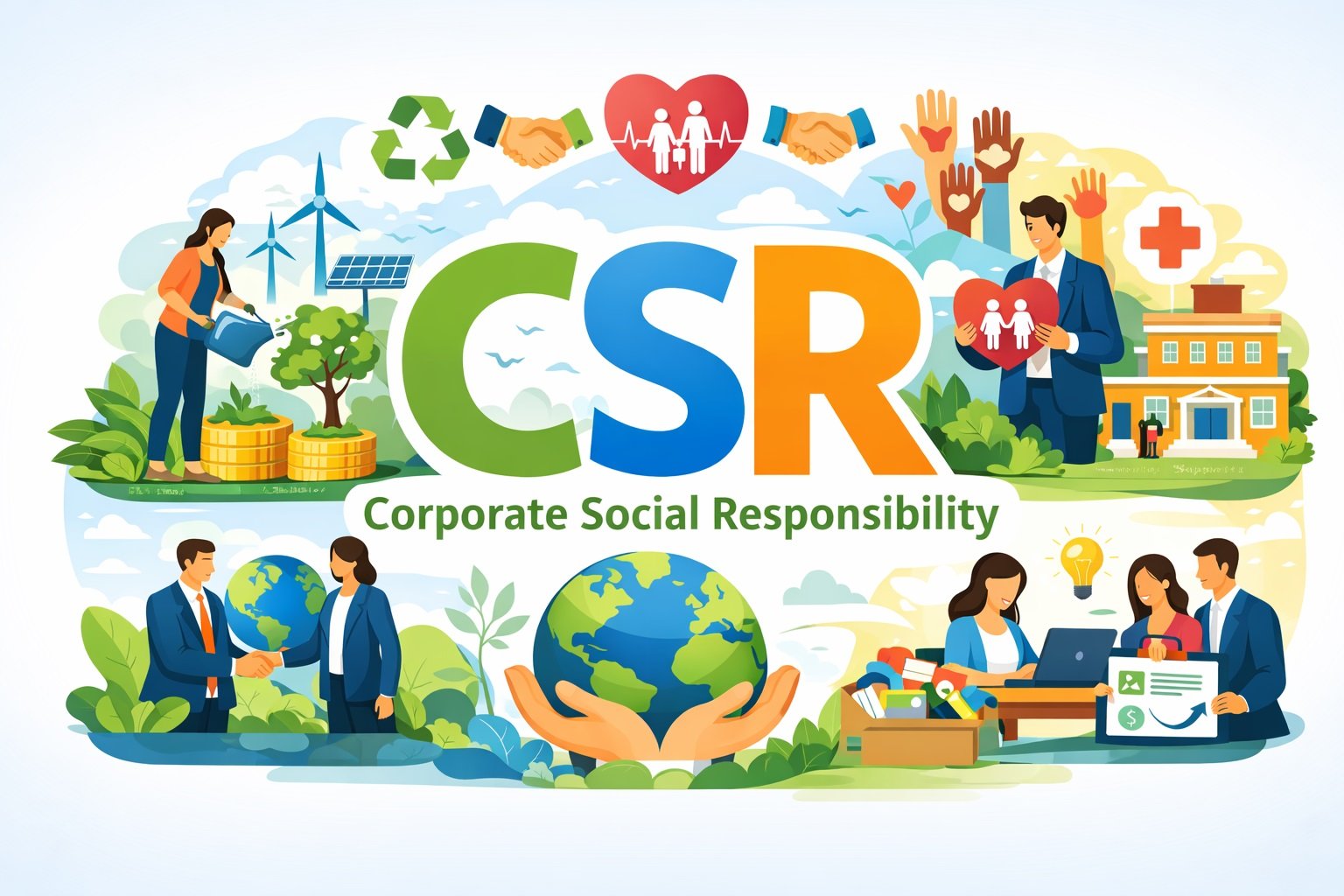
Corporate social responsibility, or CSR, is a self-regulating business model that helps a company remain socially accountable to itself, its stakeholders, and the public.
For CSR teams, employee well-being belongs within that responsibility. Working alongside HR and employees, they can turn broad commitments into practical changes that make healthier choices easier.
Build Employee Wellness Into Everyday Work
Start by looking at the working conditions employees face every day. Heavy workloads, unclear priorities, and constant after-hours messages can undermine even a well-funded wellness program.
According to polling from the American Psychiatric Association, 48% of working adults always or sometimes struggle to disconnect after work. For your team, a useful first step is checking whether employees can finish their work without routinely giving up personal time.
Partner with department leaders to set realistic deadlines, protect breaks, and clarify response-time expectations. Ask managers to identify tasks that can stop, rather than simply asking employees to become more resilient.
Make those commitments visible in team routines. A protected lunch break means little if meetings regularly fill it.
Offer Support That Fits Different Needs
Give employees meaningful choices instead of building one program around a narrow picture of health. Someone managing a chronic condition may need different support from a caregiver, a remote worker, or an employee experiencing financial stress, after all.
So, you could offer a mix of mental health services, accessible movement options, nutrition guidance, financial education, and weight loss assistance.
Weight management resources from Weight Watchers, for example, include medication advice, expert clinician support, insurance support for options like GLP-1 medication, and guidance from expert coaches and an empathic community.
Keep participation for wellness support voluntary and private. Let employees define goals that matter to them.
Equip Managers to Respond With Care
Give managers a clear role in supporting well-being without expecting them to diagnose problems. Their job is to listen, address work-related pressures, and explain where employees can find appropriate help.
Check whether your managers have useful referral information and time to follow through.
Practice Supportive Conversations
Train managers to ask open questions about workload, priorities, and support needs. Role-play realistic situations so they can respond calmly without making assumptions or pressing for personal health information.
A question such as “What would make your workload more manageable?” creates room for practical action. Managers should agree on next steps and check back rather than treating one conversation as the solution.
Make Referrals Simple
Create a short, accessible guide explaining available benefits and how to use them. Include contact details, hours, costs, and any eligibility requirements employees need to understand.
Keep the guide easy to find outside company devices when possible. Employees should not need to explain a sensitive concern to several people before reaching the right service.
Give Employees a Real Say
Invite employees to help shape wellness priorities before choosing activities or vendors. Anonymous surveys, small listening sessions, and employee representatives can reveal barriers that a participation dashboard misses.
Ask specific questions about access and usefulness. And find out whether shift workers can attend sessions, whether resources accommodate disabilities, and whether employees trust the privacy arrangements.
Include people from different roles, locations, schedules, and career stages. Avoid relying only on enthusiastic volunteers whose needs may differ from those of employees who rarely participate.
Close the feedback loop by sharing what you heard and what will change. When a request cannot be met, explain the constraint and invite alternatives rather than letting suggestions disappear.
Measure Progress and Keep Improving
Choose measures that show whether support is useful, not simply whether employees clicked a link. Attendance can help identify interest, but it cannot tell you whether workloads feel manageable or services are easy to access.
Combine anonymous employee feedback with broad measures such as benefit awareness, scheduling access, and satisfaction with support. Review results across teams where group sizes allow meaningful privacy protection.
Set a review schedule and assign responsibility for making changes. A quarterly check can help the CSR team spot an inaccessible service or an activity that no longer meets employees’ needs.
Share progress honestly, including gaps. Avoid treating lower participation as employee failure; investigate whether timing, trust, relevance, or cost is getting in the way.
Making Employee Wellness Part of Your Commitment
Lasting employee wellness grows from manageable work, relevant support, capable managers, and genuine employee input. Regular review helps those commitments stay useful as people’s needs change.
Hopefully this article has been of some help in enabling your CSR team to build lasting employee wellness, which will not only benefit the employees but also the company. After all, enhanced wellness means higher employee retention, more job satisfaction, and less burnout.
If this post has been useful, then take a moment to explore some of our other insightful content.