

Typhoid fever remains a public health concern in India, especially during the monsoon and post-monsoon months, when contaminated food and water spread the infection. When a patient presents with prolonged high fever, headache, abdominal discomfort, and weakness, doctors often consider typhoid among the possibilities. To confirm the suspicion, a blood test that has been in use for over a century is still widely ordered nationwide. The s widal test detects antibodies the body produces in response to the bacterium that causes typhoid, supporting clinical diagnosis when used alongside symptoms and other investigations.
What Is the S Widal Test?
The Widal test is a serological blood test that detects antibodies against Salmonella Typhi and Salmonella Paratyphi, the bacteria responsible for typhoid and paratyphoid fevers. The test specifically looks for two types of antibodies in the patient’s blood: O antibodies, which respond to the body of the bacterium, and H antibodies, which respond to its flagella.

The S widal test does not detect the bacteria themselves. It identifies the immune response the body mounts against the infection, which usually becomes detectable about a week after symptoms begin.
Why Doctors Order the S Widal Test
This test is commonly ordered for several reasons:
1. Suspected Typhoid Fever
When fever lasts more than five to seven days and is accompanied by headache, abdominal pain, weakness, or constipation, the test helps support a typhoid diagnosis.
Since many other infections cause similar symptoms. The Widal test helps narrow down the cause along with other tests such as a complete blood count, malaria parasite test, and dengue serology.

3. Outbreak Investigation
In areas where typhoid cases rise, the test supports public health investigations and helps identify infected individuals.
4. Cost-Effective Screening
Where culture facilities are limited, the Widal test remains a widely accessible and affordable option for primary screening, though it is best interpreted with caution.
How the Test is Performed
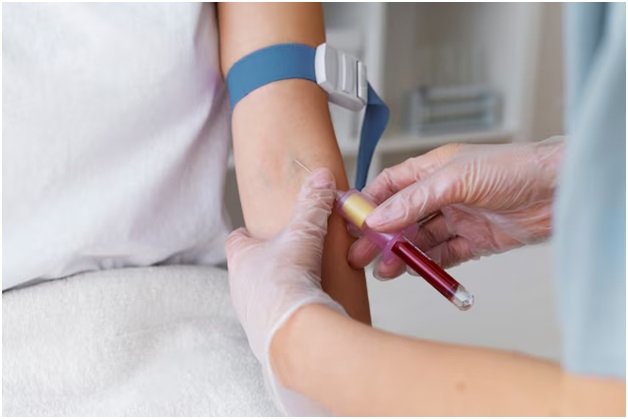
The test involves a blood sample drawn from a vein in the arm and no fasting is required before the test. The blood is then processed in a laboratory using a slide or tube agglutination technique. The sample is mixed with known typhoid antigens, and visible clumping (agglutination) indicates the presence of antibodies.
Results are usually expressed as titres, such as 1:80, 1:160, or 1:320. The higher the titre, the more antibodies are present, suggesting a more recent or active infection.
Understanding the Results
Combination of the Widal test depends on the antibody titres and the timing of the infection. General guidelines include:
- O antibody titre of 1:160 or higher: Suggests active typhoid infection.
- H antibody titre of 1:160 or higher: May indicate past infection, vaccination, or active infection.
- Rising titres in paired samples: A fourfold rise between two samples taken 7 to 10 days apart strongly supports active infection.
A single positive result should not be interpreted alone. Doctors consider clinical symptoms, duration of fever, vaccination history, and other test results before confirming a diagnosis.
Limitations of the Test
The Widal test has several known limitations that doctors take into account:
- False positives: Previous typhoid infection, recent typhoid vaccination, or unrelated infections can raise titres without active disease.
- False negatives: Early infection (within the first week) may not produce detectable antibody levels yet. Antibiotic use can also lower the response.
- Cross-reactivity: Other Salmonella species or some non-Salmonella infections may produce false-positive results.
- Endemic regions: In areas where typhoid is common, baseline antibody levels in the population may be naturally higher, making interpretation difficult.
For these reasons, blood culture remains the gold standard for confirming typhoid, although it is slower and not always available.
When the Test Should Be Done
The Widal test gives the most useful results when performed at the right stage of illness. Doctors generally recommend testing:
- After the first week of fever, when antibody levels are usually detectable
- As a paired test, with a second sample 7 to 10 days later to look for a rising titre
- Alongside blood culture wherever possible, for stronger confirmation
- Before starting antibiotics, if the situation allows
Acting on a single result during the first few days of fever can lead to incorrect conclusions, which is why timing matters.
Choosing a Reliable Diagnostic Partner
Accurate testing of typhoid depends on careful sample handling, laboratory technique, and clear reporting. Choosing a diagnostic chain like Lupin Diagnostics that maintains consistent quality protocols supports better clinical decisions. The chain offers Widal, blood culture, and broader fever-workup tests across India through its National Accreditation Board for Testing and Calibration Laboratories (NABL) accredited labs, with free home sample collection available in major cities.
Conclusion
The S Widal test is used for screening typhoid fever in India, particularly in primary care and resource-limited settings. While it has known limitations, careful timing, paired samples, and clinical correlation make it a useful supporting tool. Anyone with prolonged fever, abdominal symptoms, or suspected typhoid should consult a physician and follow the recommended diagnostic workup before starting treatment.