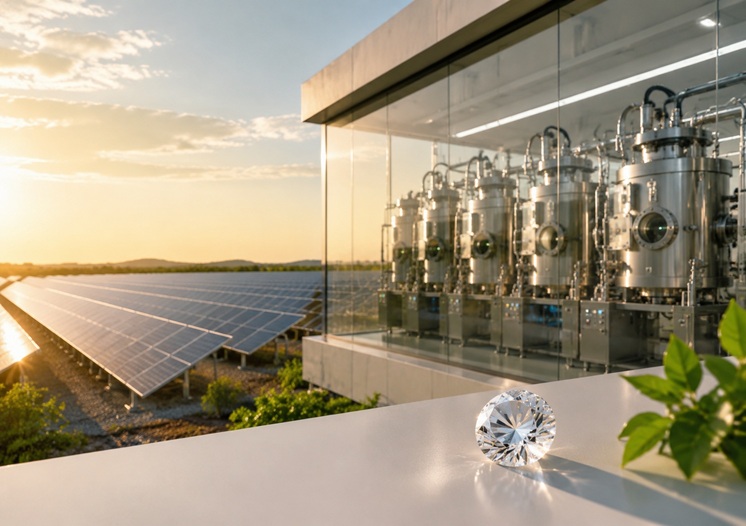



Backed by JK Star Group, the D2C jewellery brand says its Surat CVD facility runs on solar power and supports end-to-end traceability from diamond growing to retail.
MUMBAI (India CSR): As India’s lab-grown diamond jewellery market expands, sustainability claims are becoming central to consumer choice. Lukson, a lab-grown diamond jewellery brand backed by the 34-year-old JK Star Group, is seeking to set a higher benchmark by linking its sustainability proposition directly to the energy used in manufacturing. The brand says its lab-grown diamond manufacturing operation in Surat, Gujarat, runs entirely on solar power supplied by the Group’s dedicated solar plant in Navsari. The facility, operated under AVP Star, the lab-grown diamond manufacturing arm of JK Star Group, houses 500 CVD reactors and forms the backbone of Lukson’s vertically integrated supply chain.
The development is significant because lab-grown diamonds require substantial energy during production. While they are often positioned as an alternative to mined diamonds, the environmental value of a lab-grown diamond depends greatly on the source of electricity used in the growing process. Lukson is a fine jewellery brand offering gold and lab-grown diamond jewellery for modern Indian consumers. Founded in January 2025 by Anand Lukhi and Vedant Lukhi, the brand is JK Star Group’s first D2C venture. It is built on the belief that fine jewellery should be worn, layered and styled every day, rather than reserved only for special occasions.

Solar Power at the Core of Diamond Growing
Lukson’s diamonds begin as a tiny seed inside chemical vapour deposition, or CVD, reactors. In this process, carbon-rich gases are used under controlled conditions to grow diamond material around a seed. According to the company, every major stage of the production process is managed in-house. This includes diamond growing, coring, slicing, laser processing, cutting, polishing and grading. Such vertical integration is expected to provide the brand with stronger control over quality, sourcing and traceability.
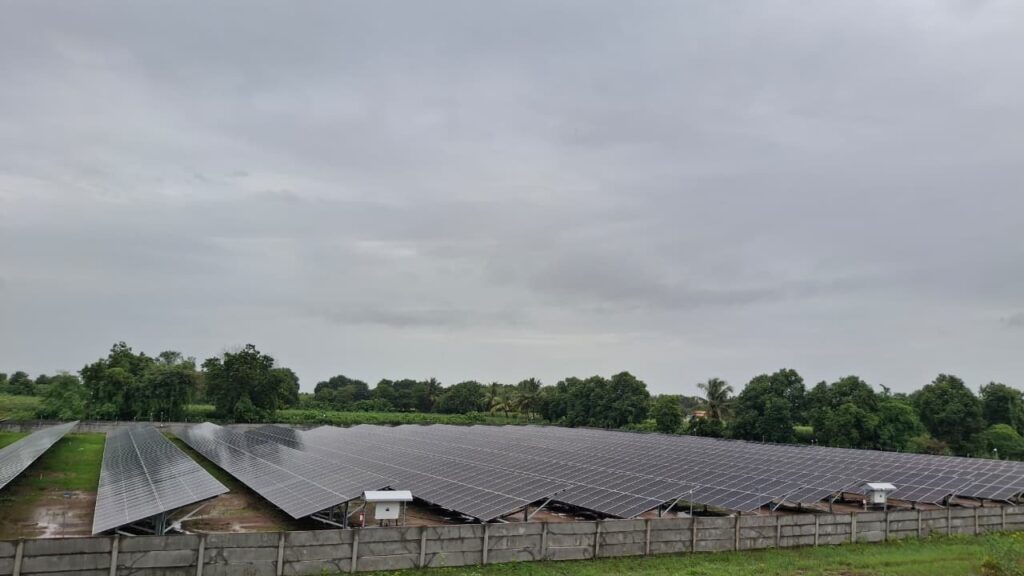
The solar-powered CVD facility is supplied by the Group’s dedicated solar plant in Navsari, Gujarat. By using renewable energy for a power-intensive manufacturing activity, Lukson aims to reduce the carbon impact associated with diamond growing and make its sustainability claims more measurable. “Lab grown does not automatically mean sustainable. A diamond grown in a lab still needs energy, and if that energy comes from fossil fuels, the sustainability story falls apart,” said Vedant Lukhi, Co-Founder, Lukson, who leads the Group’s CVD diamond growing technology and operations.
“That is why we invested in making our facility solar powered. When the factory growing your diamond runs on the sun, sustainability stops being a marketing line and becomes something you can walk into, measure and verify. That is the standard we believe the entire industry should be held to,” he added.
Why Energy Source Matters in Lab-Grown Diamonds
The lab-grown diamond category has gained attention among consumers looking for jewellery that combines design, affordability and a lower-impact production model. However, energy use remains a defining sustainability question for the sector. A diamond grown through CVD technology is created in a controlled manufacturing environment. If the electricity powering that environment comes from fossil-fuel-heavy sources, the climate benefit can be limited. Renewable power can therefore play a major role in improving the environmental profile of the final product. Lukson’s solar-powered manufacturing model places clean-energy sourcing at the centre of this conversation. It moves the sustainability discussion beyond the product label and towards the infrastructure, technology and energy behind the diamond. For consumers, this creates a more practical question: not simply whether a diamond is lab-grown, but how and with what energy it was grown.
500 Reactors and an Integrated Production Chain
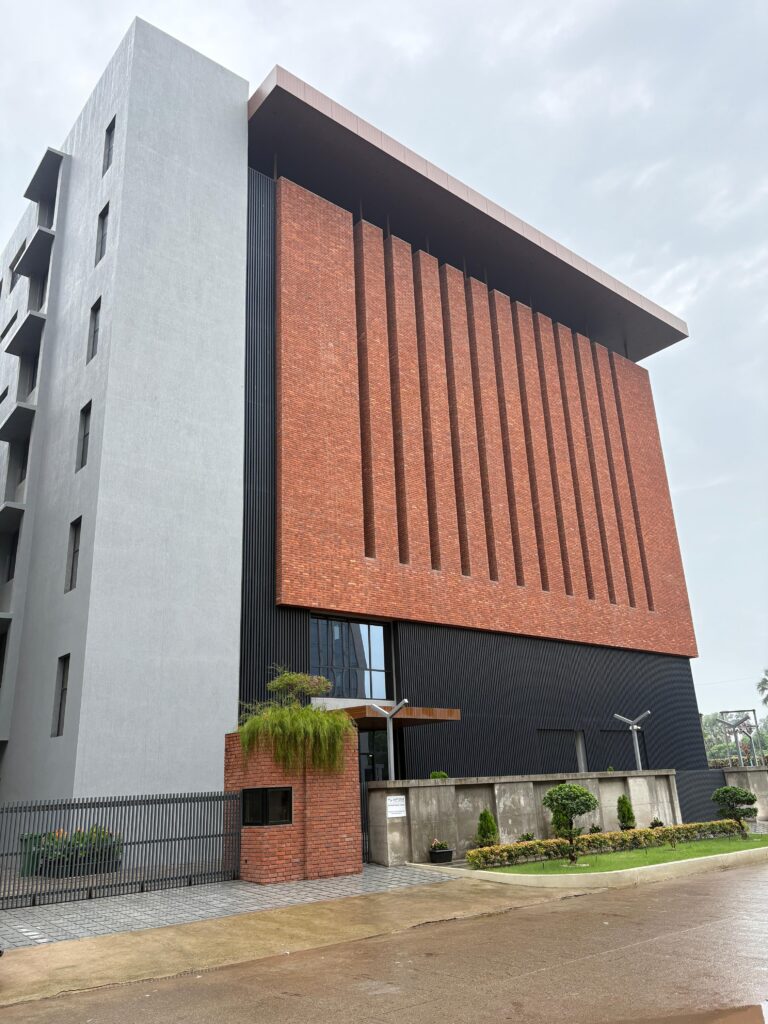
The AVP Star facility in Surat houses 500 CVD reactors, according to the company. The scale of the manufacturing operation, combined with internal processing capabilities, allows the Group to maintain an integrated chain from diamond seed to finished jewellery. This approach can help strengthen transparency and quality assurance in a category where consumers increasingly seek reliable information on a diamond’s origin, certification and manufacturing process.
Lukson also says its diamonds are independently certified by leading international laboratories, including the International Gemological Institute (IGI), Gemological Institute of America (GIA) and Gem Certification & Assurance Lab (GCAL). The Group maintains an inventory of around 40,000 certified stones across its India and New York offices. Certification is important for customers because it provides independent details on the diamond’s characteristics, such as cut, colour, clarity and carat weight. It also supports confidence in the purchase of lab-grown diamond jewellery.
Sustainability Beyond Manufacturing
The JK Star Group’s environmental initiatives extend beyond its production facilities. The Group says it has planted more than one lakh trees across Gujarat under its environmental programme. Its philanthropic arm, the JK Star Charitable Trust, has contributed over 10 per cent of net profits from all five Group companies since 2019 towards education, healthcare, tree plantation, environmental sustainability and food distribution. The combination of renewable-powered manufacturing, tree plantation and community-focused giving presents a broader sustainability framework. It links environmental responsibility with social development, although the long-term impact of such programmes depends on transparent monitoring, survival of planted trees and measurable outcomes for communities.
For India’s growing responsible-business landscape, this is an increasingly relevant expectation. Consumers and stakeholders are looking beyond individual campaigns and asking how sustainability is embedded into a company’s operations, capital expenditure and supply chain.
Bringing Manufacturing Depth to the D2C Consumer
Lukson was launched in January 2025 by Anand Lukhi and Vedant Lukhi as the first direct-to-consumer venture of JK Star Group. The brand offers lab-grown diamond jewellery in 9KT, 14KT and 18KT gold, with BIS hallmarking and a lifetime buyback policy. The brand has retail presence across ten cities, including Mumbai, Delhi, Gurugram, Noida, Pune, Hyderabad, Ahmedabad, Chennai, Jaipur and Guwahati. It also sells through Amazon, AJIO, Pernia’s Pop-Up Shop, Eternz and its own website, alongside services such as try-at-home and video shopping in key cities.
“For us, sustainability was never an afterthought or a trend to ride; it is the inheritance we chose to build on,” said Anand Lukhi, CEO and Co-Founder, Lukson. “We come from a family that has spent over three decades in diamonds, and when we imagined Lukson, we were clear that the next generation of Indian consumers deserves jewellery they can feel genuinely good about, in how it looks, how it is priced and how it is made. Our customers should never have to choose between beauty and responsibility. With Lukson, they get both, backed by proof at every step from the reactor to the retail shelf,” he said.
A New Benchmark for Responsible Jewellery
Behind Lukson stands JK Star Group, founded in 1993 by Shailesh Lukhi and Nandesh Lukhi. The Group has five specialised companies and more than 2,000 employees across natural diamond manufacturing, domestic B2B jewellery, international diamond exports, lab-grown diamond growing and D2C retail. Lukson’s solar-powered facility offers a timely example of how the lab-grown diamond industry can connect product innovation with renewable-energy adoption. Its model places manufacturing transparency, certification and cleaner energy at the centre of the jewellery proposition.
As the Indian market becomes more conscious of the climate and social impact of consumer products, brands will increasingly be judged not only by what they sell, but by the systems used to make it. For Lukson, the message is clear: sustainability must be built into the factory floor, not added only at the retail shelf.
© Copyright Disclaimer: All rights reserved. No part of this report may be reproduced, republished, distributed or transmitted in any form without prior written permission from India CSR®