

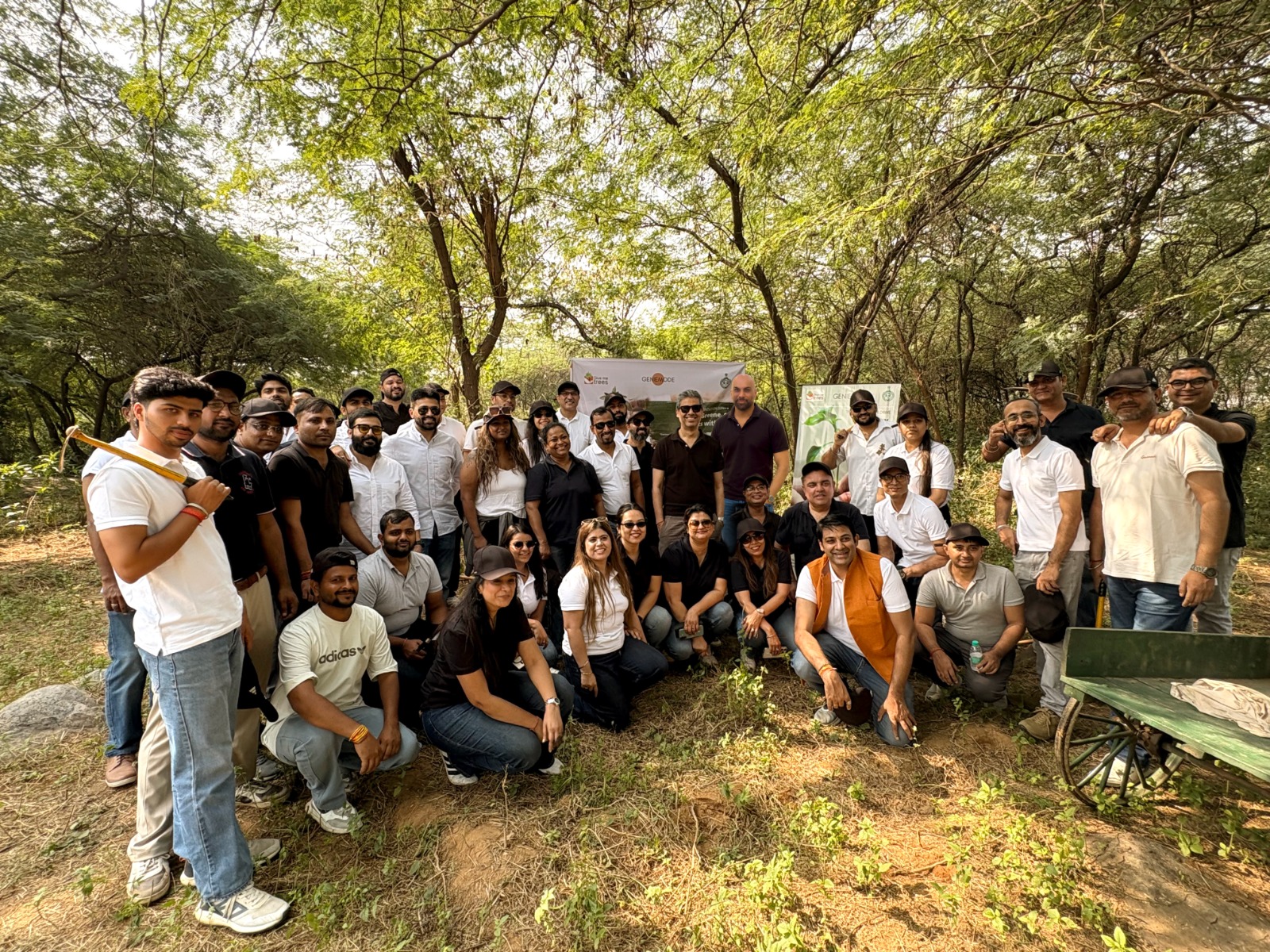



Plantation at Matri Van Forest is estimated to sequester about 31 tonnes of carbon over ten years, subject to sapling survival and growth.
GURUGRAM (India CSR): Geniemode, a technology-enabled apparel sourcing company, has planted 1,000 native saplings at Matri Van Forest in Ghata, Gurugram, translating its sustainability commitment into a visible, community-linked environmental action. The plantation responds to the growing global focus on restoring ecosystems, including COP31’s spotlight on the UN Decade for Afforestation and Reforestation, scheduled for 2027–2036. Based on estimates from the I-Tree Eco Tool, the plantation could sequester approximately 31 tonnes of carbon over a ten-year period. The actual outcome will depend on sapling survival, healthy growth and sustained care. Beyond carbon sequestration, the initiative seeks to create a living green space that can strengthen Gurugram’s ecological resilience and support a healthier urban environment for future generations.
Native Species Strengthen
The plantation includes 300 Lasoda, 200 Siras, 200 Amla, 200 Kachnar and 100 Kusum saplings—an intentionally diverse mix of native species. These trees offer value beyond their potential to absorb carbon. They can strengthen local biodiversity, improve soil quality, provide shade and contribute to an ecological habitat for birds, pollinators and other wildlife. Several selected species also carry nutritional, medicinal and fodder value, enhancing the relevance of the green space for surrounding communities. By choosing multiple native species instead of relying on a monoculture plantation, Geniemode has sought to support a more resilient landscape that can respond to local conditions. The initiative reinforces the importance of evaluating plantation programmes not only by the number of saplings planted, but also by biodiversity, survival rates and long-term ecosystem contribution.

Employees Turn Commitment
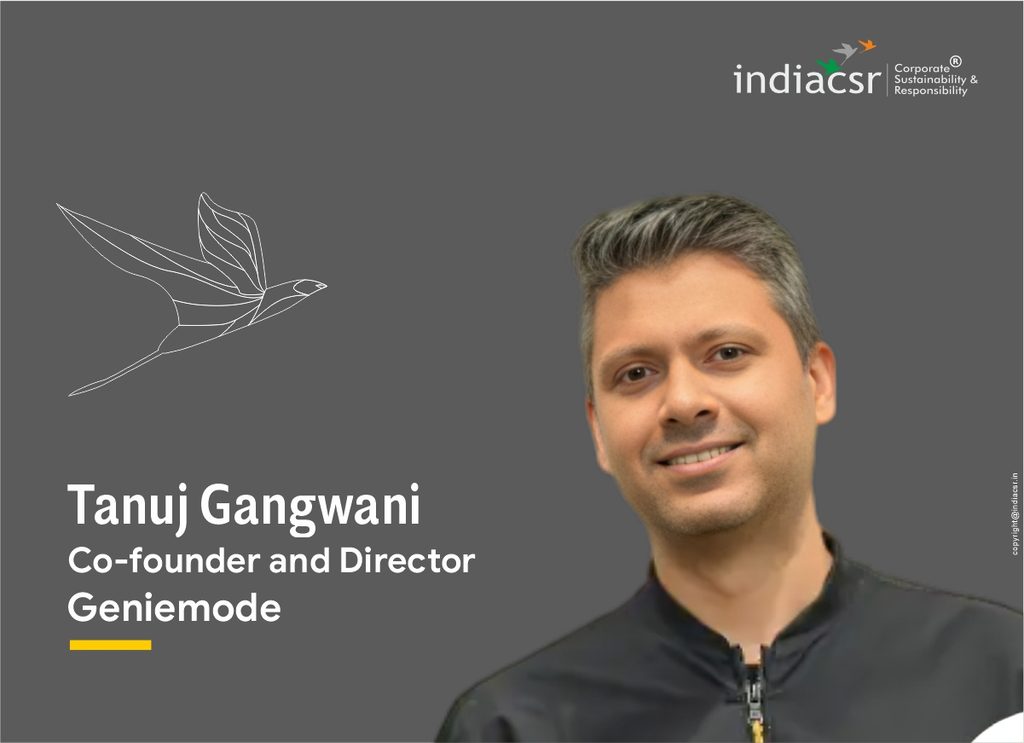
More than 50 Geniemode team members, including Founder and CEO Amit Sharma and Co-founder and Director Tanuj Gangwani, participated in the plantation drive, giving the effort a strong employee-led character. “We, at Geniemode, believe that businesses must contribute positively to support the communities and nature, to be sustainable,” said Amit Sharma. “This belief was actioned with the plantation drive, where over 50 of our team members, including me and my co-founder contributed. We are committed to reduce our carbon footprint and contribute to the UN’s Decade for Afforestation and Reforestation.” The participation of employees makes the initiative more meaningful, connecting corporate sustainability goals with collective action. It also enables colleagues to directly experience the connection between responsible business, local ecosystems and the wellbeing of communities that enable business growth.

Care Ensures Continuity
Planting saplings is only the first stage of a credible environmental initiative; long-term care determines whether it creates meaningful impact. Geniemode has partnered with Give Me Trees Trust for complete post-plantation care at Matri Van Forest. This includes watering, provision of manure, mulching, weeding around the saplings and replacement of dead saplings, if required. Such stewardship is essential to help the plantation evolve into a durable green asset instead of remaining a one-day activity. It also adds greater integrity to the estimated carbon sequestration outcome, which depends upon survival and maturity of the planted trees. As corporate India increasingly moves from plantation targets towards measurable environmental outcomes, regular maintenance, survival monitoring and replenishment are becoming central to responsible green programmes.
Home Base Commitment
For Geniemode, Gurugram was a natural starting point because it is the company’s home base and a place where its people, operations and stakeholders are closely connected. “We owe a lot to the nature and communities, especially where we are located,” said Tanuj Gangwani, Co-founder and Director, Geniemode. “Our objective was to give back to the stakeholders that empower us to continue running our businesses. Since Gurugram is our home base, it was a natural place to begin with. We wanted our colleagues to participate in something tangible, and planting trees gave us that opportunity.” The initiative demonstrates how local environmental action can contribute to a broader climate and biodiversity agenda, while building employee ownership and community connection. It marks a small but purposeful step towards a greener Gurugram for generations to come.



