


• India CSR Awards 2025
  • India CSR Leadership Summit
  • Guest Posts
Sunday, May 31, 2026
India CSR
  • Home
  • Corporate Social Responsibility
    • Art & Culture
    • CSR Leaders
    • Child Rights
    • Culture
    • Education
    • Gender Equality
    • Around the World
    • Skill Development
    • Safety
    • Covid-19
    • Safe Food For All
  • Sustainability
    • Sustainability Dialogues
    • Sustainability Knowledge Series
    • Plastics
    • Sustainable Development Goals
    • ESG
    • Circular Economy
    • BRSR
  • Corporate Governance
    • Diversity & Inclusion
  • Interviews
  • SDGs
    • No Poverty
    • Zero Hunger
    • Good Health & Well-Being
    • Quality Education
    • Gender Equality
    • Clean Water & Sanitation – SDG 6
    • Affordable & Clean Energy
    • Decent Work & Economic Growth
    • Industry, Innovation & Infrastructure
    • Reduced Inequalities
    • Sustainable Cities & Communities
    • Responsible Consumption & Production
    • Climate Action
    • Life Below Water
    • Life on Land
    • Peace, Justice & Strong Institutions
    • Partnerships for the Goals
  • Articles
  • Events
  • हिंदी
  • More
    • Business
    • Finance
    • Environment
    • Economy
    • Health
    • Around the World
    • Social Sector Leaders
    • Social Entrepreneurship
    • Trending News
      • Important Days
        • Festivals
      • Great People
      • Product Review
      • International
      • Sports
      • Entertainment
    • Case Studies
    • Philanthropy
    • Biography
    • Technology
    • Lifestyle
    • Sports
    • Gaming
    • Knowledge
    • Home Improvement
    • Words Power
    • Chief Ministers
No Result
View All Result
  • Home
  • Corporate Social Responsibility
    • Art & Culture
    • CSR Leaders
    • Child Rights
    • Culture
    • Education
    • Gender Equality
    • Around the World
    • Skill Development
    • Safety
    • Covid-19
    • Safe Food For All
  • Sustainability
    • Sustainability Dialogues
    • Sustainability Knowledge Series
    • Plastics
    • Sustainable Development Goals
    • ESG
    • Circular Economy
    • BRSR
  • Corporate Governance
    • Diversity & Inclusion
  • Interviews
  • SDGs
    • No Poverty
    • Zero Hunger
    • Good Health & Well-Being
    • Quality Education
    • Gender Equality
    • Clean Water & Sanitation – SDG 6
    • Affordable & Clean Energy
    • Decent Work & Economic Growth
    • Industry, Innovation & Infrastructure
    • Reduced Inequalities
    • Sustainable Cities & Communities
    • Responsible Consumption & Production
    • Climate Action
    • Life Below Water
    • Life on Land
    • Peace, Justice & Strong Institutions
    • Partnerships for the Goals
  • Articles
  • Events
  • हिंदी
  • More
    • Business
    • Finance
    • Environment
    • Economy
    • Health
    • Around the World
    • Social Sector Leaders
    • Social Entrepreneurship
    • Trending News
      • Important Days
        • Festivals
      • Great People
      • Product Review
      • International
      • Sports
      • Entertainment
    • Case Studies
    • Philanthropy
    • Biography
    • Technology
    • Lifestyle
    • Sports
    • Gaming
    • Knowledge
    • Home Improvement
    • Words Power
    • Chief Ministers
No Result
View All Result
India CSR
No Result
View All Result
Home SDGs No Poverty

How Has Poverty Changed in 2024?

India CSR by India CSR
October 19, 2024
in No Poverty
Reading Time: 7 mins read
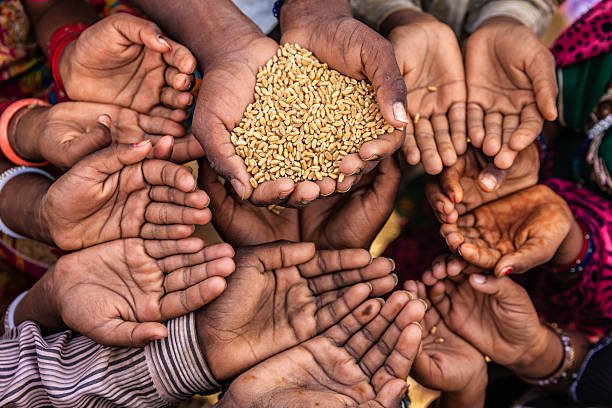
Poor Indian children keeping their hands up and asking for support.

Poor Indian children keeping their hands up and asking for support.

Share Share Share Share
WhatsApp icon
WhatsApp — Join Us
Instant updates & community
Google News icon
Google News — Follow Us
Get our articles in Google News feed

Poverty is one of the biggest challenges faced by the world today. In 2024, the global poverty landscape has experienced notable shifts.

The updated Global Multidimensional Poverty Index (MPI) 2024 offers new insights into the progress and challenges in poverty reduction. The 2024 Global Multidimensional Poverty Index paints a sobering picture of the current state of poverty. While progress has been made in some regions, challenges remain, particularly in conflict-affected areas. The ongoing impact of violent conflicts, geopolitical instability, and the aftermath of the COVID-19 pandemic have slowed poverty reduction efforts and, in some cases, reversed previous gains.

Admissions Open for BBA in CSR, Sustainability and ESG

This report highlights how poverty has changed globally, emphasizing the ongoing impact of conflicts, inequality, and multidimensional deprivation. Understanding these trends is critical for targeted action toward ending poverty and achieving the Sustainable Development Goals (SDGs).

Poverty Amid Conflict

The 2024 MPI report reveals that poverty reduction has slowed down significantly, particularly in conflict-affected regions. Violent conflicts have escalated, with 2023 marking a record number of ongoing conflicts since World War II. This trend has severely affected poverty reduction, especially in countries like Afghanistan, Yemen, and regions in Sub-Saharan Africa. The number of people living in poverty in conflict zones is disproportionately high, emphasizing the link between insecurity and economic hardship.

Nearly 218 million people, or 19% of the world’s poor, live in war-affected countries. These populations are particularly vulnerable to the disruptions caused by violence, including damage to infrastructure, access to basic services like health and education, and forced displacement. For example, Afghanistan has experienced a 5 percentage point increase in poverty since 2015, with two-thirds of the population now living in poverty.

Read: Who Are the Poorest?

Key Facts on Global Poverty in 2024

Key Indicator2024 Data
Number of people living in acute poverty1.1 billion (18.3% of the global population)
Number of children living in poverty584 million (over 50% of the total poor)
Rural poverty rate28% of rural population
Urban poverty rate6.6% of urban population
Percentage of poor people in conflict-affected countries19% (218 million)
Regions with the highest povertySub-Saharan Africa (553 million) and South Asia (402 million)

Changes in Multidimensional Poverty

The 2024 MPI report includes data from 112 countries, covering 1,359 subnational regions. It finds that 1.1 billion people are living in acute multidimensional poverty, with more than half of them being children. Multidimensional poverty encompasses various deprivations, including inadequate access to housing, sanitation, electricity, cooking fuel, nutrition, and education. In conflict-affected countries, the number of people experiencing these deprivations is significantly higher than in other areas.

Despite progress in some regions, poverty reduction remains stagnant or has even reversed in others. Of the 86 countries with harmonized data, 76 managed to reduce poverty in at least one period. However, only 9 countries experienced a significant reduction in MPI value and incidence of poverty in the post-pandemic period ending in 2021/2022 or later. This underscores the challenges in sustaining poverty reduction efforts, particularly in countries with ongoing conflicts or fragile political environments.

Child Poverty and Rural Disparities

One of the most alarming aspects of global poverty is the high incidence of child poverty. Over half of the 1.1 billion poor people are children under the age of 18, with 27.9% of children globally living in poverty compared to 13.5% of adults. Sub-Saharan Africa and South Asia have the largest number of poor children, accounting for 317 million and 184 million, respectively.

Rural areas are disproportionately affected by poverty compared to urban areas. Of the total poor population, 83.7% live in rural settings, with 28% of the rural population experiencing poverty compared to just 6.6% in urban regions. In Afghanistan, for instance, rural poverty is much higher, with 70% of children in rural areas living in poverty compared to 57.8% in urban areas.

Deprivations Faced by Poor Populations

The MPI report highlights various deprivations faced by the poor. Large numbers of poor people lack essential services:

  • Sanitation: 828 million people lack adequate sanitation.
  • Housing: 886 million live in inadequate housing.
  • Cooking Fuel: 998 million lack access to clean cooking fuel.
  • Nutrition: 637 million poor people live with someone who is undernourished in their household.
  • Electricity: 579 million poor people lack electricity.
  • School Attendance: 482 million poor people live in households with out-of-school children.

The report also notes significant regional differences in poverty. In Sub-Saharan Africa, indicators such as years of schooling, school attendance, and nutrition contribute the most to multidimensional poverty. These disparities highlight the need for targeted interventions that address both immediate needs, such as food and sanitation, and long-term needs like education and healthcare.

Impact of Conflict on Poverty

The relationship between conflict and poverty is complex. Conflict not only disrupts livelihoods but also creates barriers to accessing essential services like health, education, water, and sanitation. Countries affected by war have an average poverty rate of 34.8%, compared to just 10.9% in non-conflict-affected countries. In war-torn countries like Yemen, Afghanistan, and regions of Sub-Saharan Africa, deprivations in nutrition, electricity, water, and sanitation are far more pronounced.

Conflict has also led to significant forced displacement. By the end of 2023, the number of people forced to flee their homes due to conflict, disasters, or other factors reached a record high of 117 million. This displacement adds further strain to already limited resources, exacerbating poverty for those who are displaced and those living in host communities.

Read: The Relationship Between Conflict and Poverty

Slow Progress in Poverty Reduction

The pace of poverty reduction has slowed, especially in conflict-affected countries. From 2015/2016 to 2022/2023, Afghanistan experienced a significant increase in poverty, with an additional 5.3 million people falling into poverty. The data suggest that poverty reduction tends to be slower in countries that are affected by prolonged conflicts, where poverty is already at its highest. For instance, in Afghanistan, the incidence of poverty rose from 46.9% in 2015/2016 to 52.2% in 2022/2023, reflecting the impact of ongoing instability.

In contrast, countries like Benin, Cambodia, and Kenya have managed to achieve reductions in their MPI values despite the challenges posed by the COVID-19 pandemic. These examples illustrate that poverty reduction is possible even in challenging contexts, but it requires a concerted effort and targeted interventions.

Must Read: Poverty amid Conflict

Challenges in Data Collection

The MPI report also points out the challenges in data collection, particularly in conflict-affected countries. The absence of reliable data can lead to an underestimation of the true extent of poverty in these regions. For example, only 29 out of 64 conflict-affected countries had MPI surveys conducted during the conflict years. This gap in data collection underscores the need for increased investment in data gathering to accurately assess and address poverty.

Way Forward: Addressing Poverty in Conflict-Affected Regions

The findings from the 2024 MPI report call for urgent action to prioritize poverty reduction efforts in conflict-affected regions. To effectively address poverty, international organizations, governments, and non-governmental organizations need to work together to provide targeted support for those most affected by conflict. This includes rebuilding infrastructure, improving access to education and healthcare, and creating pathways for economic empowerment.

Moreover, preventing future conflicts is essential to sustaining poverty reduction. Conflict prevention, peacebuilding, and ensuring political stability can have a significant impact on reducing poverty in vulnerable regions. By addressing the root causes of conflict, such as inequality and lack of access to basic services, we can help create a more stable environment conducive to poverty reduction.

Urgent Issues

Addressing poverty in 2024 requires a multi-faceted approach that considers the diverse needs of poor populations. Special attention must be given to children, rural communities, and conflict-affected areas, as they are disproportionately impacted by poverty. By focusing on these vulnerable groups, we can work towards achieving the Sustainable Development Goals and ensuring that no one is left behind in the fight against poverty.

(India CSR)

FKCCI
ADVERTISEMENT
Ambedkar Chamber
ADVERTISEMENT
ESG Professional Network
ADVERTISEMENT
India CSR Image 1 India CSR Image 2
Tags: Poverty

CSR, Sustainability, and ESG success stories hindustan zinc
ADVERTISEMENT
India CSR

India CSR

India CSR® is the largest media on CSR and sustainability offering diverse content across multisectoral issues on business responsibility. It covers Sustainable Development, Corporate Social Responsibility (CSR), Sustainability, and related issues in India. Founded in 2009, the organisation aspires to become a globally admired media that offers valuable information to its readers through responsible reporting.

Related Posts

INDIA CSR
No Poverty

CSR: Nutrition Initiative tackles Undernutrition among Children in Noolpuzha Gram Panchayat in Wayanad

1 year ago
India Boosts Silk Sector with Rs. 4,679.85 Crore under Silk Samagra-2 Scheme
No Poverty

Silk Samagra-2 Scheme: Transforming India’s Sericulture Sector

1 year ago
In 112 countries, 1.1 billion people out of 6.3 billion are living in poverty.
No Poverty

Global Poverty Overview: Who Are the 1.1 Billion Poor People, and Where Do They Live?

2 years ago
Lebanon Faces a Humanitarian Crisis: Over 400,000 Children Displaced Amid Escalating Conflict
No Poverty

Three Distinct Measures of Conflict, Fragility, and Peace: 2024 Overview

2 years ago
What Deprivations Do Poor People Experience?
No Poverty

What Deprivations Do Poor People Experience?

2 years ago
In 112 countries, 1.1 billion people out of 6.3 billion are living in poverty.
No Poverty

Who Are the Poorest?

2 years ago
Load More
FKCCI
ADVERTISEMENT
BBA - CSR, Sustainability and ESG, Rungta International Skills University Bhilai
ADVERTISEMENT

CSR UPDATES

Sula Vineyards CSR Spending Report 2025-26

CSR in Gujarat: 80 Bird Species Return: Tata Chemicals’ Mithapur Restoration Shows Power of Local Action

CSR: Malabar Group Hunger Free World Initiative Turns Daily Meals into Pathways for Dignity and Rehabilitation

ICICI Lombard CSR Spending Report Rs 51.67 Crore for FY2025-26, Reaching Over 10 Lakh Lives

Reliance Industries CSR 2025-26: Key NGOs and Institutions Receive Major Share of Rs. 1,223 Cr CSR Funds

Goodera AI to Advance AI-Driven Social Impact

Ambedkar Chamber
ADVERTISEMENT
Ad 1 Ad 2 Ad 3
ADVERTISEMENT
Economy India Largest Media on Indian Economy and Business
ADVERTISEMENT

Interviews

Indu Mehta
Interviews

ESG in India Has Moved Beyond Storytelling: LNJ Bhilwara’s Indu Mehta on Sustainability as an Operating Discipline

by India CSR
May 30, 2026

Indu Mehta of LNJ Bhilwara Group shares insights on ESG regulations, decarbonisation and sustainability leadership.

Read moreDetails
Sourabh Lohtia, Chief Marketing & Communications Officer, PNB MetLife

Targeted Skilling Can Build Confident Futures for Underprivileged Women: Sourabh Lohtia, PNB MetLife

May 29, 2026
Shashi Shetty: SKF India’s UDAAN Scholarship Helps Rural Girls and Divyaang Students Build Careers

Shashi Shetty: SKF India’s UDAAN Scholarship Helps Rural Girls and Divyaang Students Build Careers

May 28, 2026
R. Pavithra Kumar, CEO, JSW Foundation

Redefining CSR and Driving Sustainable Social Impact: An Interview with R. Pavithra Kumar of JSW Foundation

April 16, 2026
Load More
ESG Professional Network
ADVERTISEMENT
STEM Learning STEM Learning STEM Learning
ADVERTISEMENT
Facebook Twitter Youtube LinkedIn Instagram
India CSR Logo

India CSR is the largest tech-led platform for information on CSR and sustainability in India offering diverse content across multisectoral issues. It covers Sustainable Development, Corporate Social Responsibility (CSR), Sustainability, and related issues in India. Founded in 2009, the organisation aspires to become a globally admired media that offers valuable information to its readers through responsible reporting. To enjoy the premium services, we invite you to partner with us.

Follow us on social media:

Subscribe to Our Newsletter

Don't miss out on the latest updates in corporate social responsibility. Subscribe to our newsletter at indiacsr.in and be part of the positive change.
Please enable JavaScript in your browser to complete this form.
Loading

  • About India CSR
  • Team
  • India CSR Awards 2026
  • India CSR Leadership Summit
  • Partnership
  • Guest Posts
  • Services
  • ESG Professional Network
  • Content Writing Services
  • Business Information
  • Contact
  • Privacy Policy
  • Terms of Use
  • Donate

Copyright © 2026 - India CSR | All Rights Reserved

No Result
View All Result
  • Home
  • Corporate Social Responsibility
    • Art & Culture
    • CSR Leaders
    • Child Rights
    • Culture
    • Education
    • Gender Equality
    • Around the World
    • Skill Development
    • Safety
    • Covid-19
    • Safe Food For All
  • Sustainability
    • Sustainability Dialogues
    • Sustainability Knowledge Series
    • Plastics
    • Sustainable Development Goals
    • ESG
    • Circular Economy
    • BRSR
  • Corporate Governance
    • Diversity & Inclusion
  • Interviews
  • SDGs
    • No Poverty
    • Zero Hunger
    • Good Health & Well-Being
    • Quality Education
    • Gender Equality
    • Clean Water & Sanitation – SDG 6
    • Affordable & Clean Energy
    • Decent Work & Economic Growth
    • Industry, Innovation & Infrastructure
    • Reduced Inequalities
    • Sustainable Cities & Communities
    • Responsible Consumption & Production
    • Climate Action
    • Life Below Water
    • Life on Land
    • Peace, Justice & Strong Institutions
    • Partnerships for the Goals
  • Articles
  • Events
  • हिंदी
  • More
    • Business
    • Finance
    • Environment
    • Economy
    • Health
    • Around the World
    • Social Sector Leaders
    • Social Entrepreneurship
    • Trending News
      • Important Days
      • Great People
      • Product Review
      • International
      • Sports
      • Entertainment
    • Case Studies
    • Philanthropy
    • Biography
    • Technology
    • Lifestyle
    • Sports
    • Gaming
    • Knowledge
    • Home Improvement
    • Words Power
    • Chief Ministers

Copyright © 2026 - India CSR | All Rights Reserved

This website uses cookies. By continuing to use this website you are giving consent to cookies being used. Visit our Privacy and Cookie Policy.

