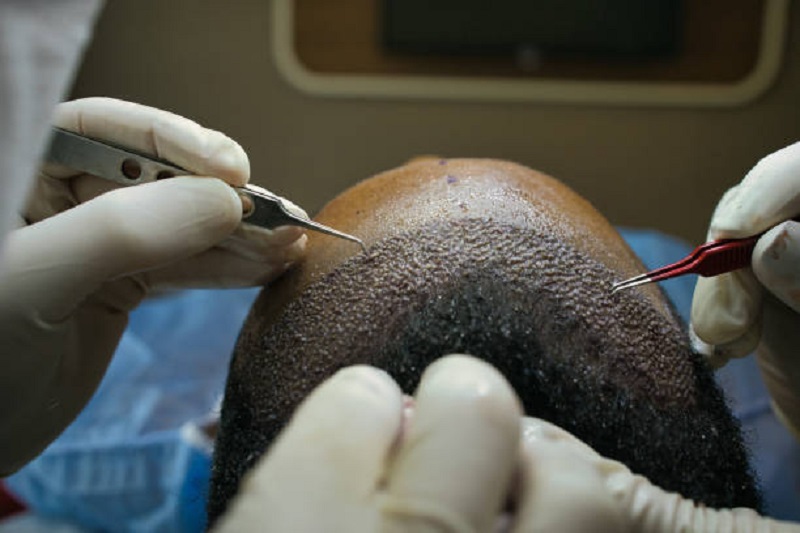



In the last decade, Hyderabad has quietly emerged as a powerhouse not just for information technology and pharmaceuticals, but also for cutting-edge medical aesthetics. Among its many medical triumphs, hair restoration is one of the fastest-evolving specialties driven by advanced biotechnology, precision tools, and a new breed of surgeons who blend science with artistry. For those seeking natural and long-lasting results, many now consider the best hair transplant in Hyderabad as a benchmark for innovation, precision, and affordability.
What’s interesting is how this evolution mirrors a much larger national trend. Just as India has become a global hub for pharmaceutical drug manufacturing (as discussed here), Hyderabad’s rise in the aesthetic medicine space reflects the same convergence of science, regulation, and global trust.
The Shift from Cosmetic to Regenerative Medicine
Hair transplant procedures used to be seen as purely cosmetic—a luxury reserved for actors, models, or entrepreneurs. But today, regenerative medicine and cellular biology have completely changed that perception. In Hyderabad, clinics are adopting bio-enhanced transplantation methods that stimulate natural hair regrowth by activating dormant follicles.
Techniques such as platelet-rich plasma (PRP) therapy, stem cell-assisted grafting, and exosome-based growth boosters are no longer rare experiments—they are now integral to most modern transplant procedures. These advancements have significantly reduced recovery time, improved graft survival rates, and led to results that look and feel completely natural.
The collaboration between biotechnology researchers and aesthetic surgeons in Hyderabad is one of the reasons behind this transformation. Many doctors here collaborate with research centers and pharmaceutical companies to test safer growth factors and biocompatible scalp enhancers creating a local ecosystem that thrives on evidence-backed care.
Why Hyderabad Became a Medical Destination for Hair Restoration
There’s a reason Hyderabad’s healthcare infrastructure keeps drawing international attention. Much like its pharmaceutical export industry, the city’s aesthetic and transplant sector has been built on three pillars- innovation, accessibility, and trust.
Firstly, innovation is baked into the city’s DNA. Many leading transplant surgeons have backgrounds in reconstructive or dermatologic surgery, meaning they approach transplantation not just as a cosmetic procedure but as a form of tissue engineering. Clinics are now integrating robotic follicular extraction tools, AI-assisted hairline design software, and 3D scalp mapping systems that simulate outcomes before the first graft is placed.
Secondly, accessibility. Hyderabad’s cost of advanced transplant procedures remains nearly 60–70% lower than in Western countries, even while using globally certified equipment. This cost advantage, without compromising quality, has positioned Hyderabad as an attractive destination for medical tourists from Africa, the Middle East, and Europe.
And lastly, trust. Accredited medical centers follow international sterilization and documentation protocols. Some have even achieved ISO or JCI certifications, something rare in aesthetic care. Together, these elements have created a space where both local and international patients can seek treatment with confidence.
From Pharma to Follicles: The Convergence of Science
If India’s pharma industry laid the foundation for global medical credibility, Hyderabad’s aesthetics and transplant industry is now building on it. The pharmaceutical boom cultivated a generation of biochemists, molecular scientists, and biomedical engineers—many of whom are now collaborating on clinical innovations for tissue regeneration, wound healing, and hair restoration.
For example, the enzymes and peptides originally developed for wound recovery or burn healing are now being re-engineered as follicular growth activators. Similarly, micro-needling serums containing bioactive compounds are formulated using pharmaceutical-grade stabilizers ensuring both safety and potency.
This interdisciplinary approach has turned many hair transplant clinics in Hyderabad into micro research hubs. It’s not uncommon to find surgeons who publish case studies, test new growth mediums, or participate in biotech symposiums. This culture of research-driven care differentiates Hyderabad from other Indian cities where cosmetic procedures still lean more on aesthetic trends than medical science.
Global Patients and the Trust in Indian Expertise
The influx of international patients seeking hair restoration in Hyderabad isn’t just about cost—it’s about the balance of science and empathy. Many clinics offer 360-degree care that includes virtual consultations, genetic hair loss assessments, and post-operative remote follow-ups.
For instance, a patient from Nairobi or Muscat can undergo digital trichoscopy (a detailed scalp analysis) via telemedicine before flying in. This integration of digital health solutions reflects the same technological ethos that’s made India a reliable partner in global healthcare delivery.
Additionally, foreign patients often prefer Hyderabad over other medical destinations because of its English-speaking doctors, transparent pricing, and smoother medical visa processing through hospital partnerships. Clinics also provide customized packages that include hotel stays, local transport, and recovery support mirroring the polished, service-oriented model of high-end medical tourism.
The Rise of AI and Robotics in Hair Transplantation
While the pharmaceutical industry leans on AI for drug discovery and clinical data management, hair restoration is adopting the same tools to enhance surgical precision. Artificial intelligence is now being used to map follicular density, predict graft survival, and design personalized hairlines based on facial symmetry.
Robotic systems assist surgeons in follicular unit extraction (FUE), ensuring consistent graft quality and reduced trauma. This automation doesn’t replace surgical skill,it augments it. The human expertise in aesthetic judgment remains critical, but AI ensures each graft is handled with near-perfect accuracy and consistency.
This fusion of human artistry with machine intelligence represents the next leap in personalized medical aesthetics—a direction that mirrors India’s overall push toward healthcare innovation.
Sustainability and Ethical Practices in Modern Hair Restoration
Another emerging aspect of Hyderabad’s transplant ecosystem is sustainability. Clinics are increasingly adopting low-waste surgical setups, biodegradable consumables, and energy-efficient tools. Some even recycle sterilization water and manage biomedical waste through certified partners.
Ethics, too, are taking center stage. Transparent consultation processes and scientifically backed graft calculations ensure that patients understand the procedure’s limitations and outcomes. In fact, many top-rated surgeons now refuse to overpromise or overharvest maintaining both the patient’s safety and the profession’s credibility.
This evolution aligns perfectly with India’s broader healthcare ethics movement, emphasizing transparency, informed consent, and sustainable practices across medical domains.
Looking Ahead: Hyderabad’s Vision for Regenerative Aesthetics
The coming decade will likely see hair transplant procedures becoming less about cosmetic improvement and more about regenerative restoration. With biotechnology companies, dermatology experts, and transplant surgeons working side by side, Hyderabad is poised to lead the next wave of bio-aesthetic medicine.
We can expect gene-targeted therapies, advanced follicle cloning research, and growth-factor serums tailored to individual genetic profiles. Just as India’s pharmaceutical sector achieved scale and credibility through innovation and global partnerships, the city’s aesthetic healthcare system is ready to follow a similar path—turning Hyderabad into Asia’s center for scientific beauty and regenerative care.
Conclusion
Hair transplantation today is not just a surgical procedure, it’s a statement of how biotechnology, data, and medical ethics can converge to create meaningful change. Hyderabad’s journey reflects the same spirit that positioned India at the forefront of global pharma manufacturing: a relentless pursuit of quality, innovation, and trust.
As the lines between medical science and personal wellness blur, Hyderabad continues to redefine what modern aesthetic healthcare can look like sustainable, precise, and globally respected.