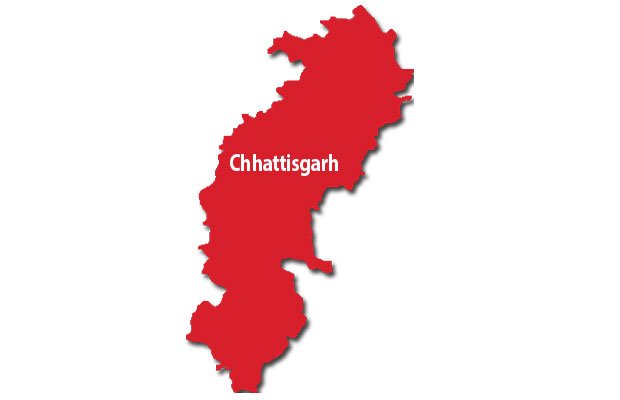


RAIPUR (India CSR): Chhattisgarh districts received approximately Rs. 9,188.20 crore through District Mineral Foundation Trusts (DMFTs) in the five financial years from FY2019–20 to FY2023–24, according to the Enforcement Directorate (ED). The figure has emerged in the ED’s investigation into the alleged misappropriation of DMF funds in the state. It shows the scale of public resources generated for people living in mining-affected areas—and why the agency’s allegations of inflated procurement and illegal commissions have significant consequences for communities.
DMF funds are not ordinary government grants. They are intended to support the people and localities that face the direct impact of mining activity. In a mineral-rich state such as Chhattisgarh, this includes communities dealing with pressure on land, water, forests, health and traditional livelihoods.
The money is meant to strengthen basic development needs: drinking water, healthcare, education, sanitation, environmental restoration, skill development and sustainable livelihoods. For families in mining belts, these are not abstract spending heads; they can mean a functional health facility, reliable water access, better schools or income opportunities beyond mining-related dependency.
***
A Fund Created for Mining-Affected Communities
The District Mineral Foundation framework is based on the principle that communities bearing the costs of mining should receive a share of its development benefits. Every mining district has a DMF Trust to plan and fund local development works. The Rs. 9,188.20 crore received by Chhattisgarh districts over five years reflects a substantial pool of public money. Even a small percentage of inefficient spending, inflated procurement or diversion can therefore translate into a major loss for mining-affected communities.
The ED has alleged that part of the DMF money was diverted from its intended purpose by preferring supply-oriented works. According to the agency, such works allegedly created greater scope for inflated pricing and generation of commissions. This remains an allegation under investigation. But it places a spotlight on the governance systems that determine how DMF money is spent, who receives contracts, how rates are fixed, whether goods are delivered and how payments are approved.
***
Procurement Route Under Scrutiny
The ED has alleged that a substantial part of DMF funds was routed through the Chhattisgarh Rajya Beej Evam Krishi Vikas Nigam, also known as Beej Nigam. It says agents and liaisoners allegedly charged commissions ranging from 25% to 50% of the base value of purchase orders issued to rate-contract-holder entities. The agency has further alleged that part of these commissions was passed on to public servants and influential persons for securing work orders and payment releases.
The ED has not alleged in its September 2 press release that Beej Nigam, as an institution, is guilty. It has also not named all public servants or influential persons allegedly involved. The investigation is continuing. However, the allegation brings a crucial issue into focus: DMF spending must be judged not only by the amount approved on paper, but by the actual quality, price and usefulness of work delivered on the ground.
| DMF fund picture | Detail |
|---|---|
| Funds received by Chhattisgarh districts | Approx. Rs. 9,188.20 crore |
| Period covered | FY2019–20 to FY2023–24 |
| Intended beneficiaries | Mining-affected people and areas |
| ED’s central allegation | Diversion through supply-oriented works |
| Commission range alleged | 25% to 50% of purchase-order base value |
| Status of case | Under investigation |
***
Why the Figure Matters
Rs. 9,188.20 crore over five years is a large development opportunity for Chhattisgarh’s mining districts. Used well, it can create durable public assets and improve access to essential services in communities that have often remained underserved despite being located in resource-rich areas. The test for DMF spending should be simple. Did it improve the everyday lives of people in the mining belt? Did a water scheme supply water? Did medical equipment reach and serve patients? Did school or skill-development spending create better outcomes? Were local communities involved in deciding priorities?
This is where public transparency becomes essential. District-level data should clearly show how much DMF money is available, what projects are sanctioned, their costs, the contractors or suppliers involved, work-completion status and the actual beneficiaries.
***
ED Arrest Adds Urgency
The ED arrested Satpal Singh Chabda on September 1 in the DMF case, alleging that he acted as a liaisoner and financial coordinator in an illegal commission network. The agency has alleged that he received commissions of about Rs. 31 crore through accounts linked to him, family members, HUFs and controlled entities. He was produced before the Special PMLA Court in Raipur, which granted the ED five days’ custody remand. The allegations have not been proven in court, and the accused is entitled to due process.
The broader public issue, however, is already clear: DMF money must remain protected for the communities in whose name it is collected. The Rs. 9,188.20 crore figure should lead to stronger public oversight, transparent procurement and measurable development outcomes in every mining-affected district.
Source: Directorate of Enforcement press release, September 2, 2026