

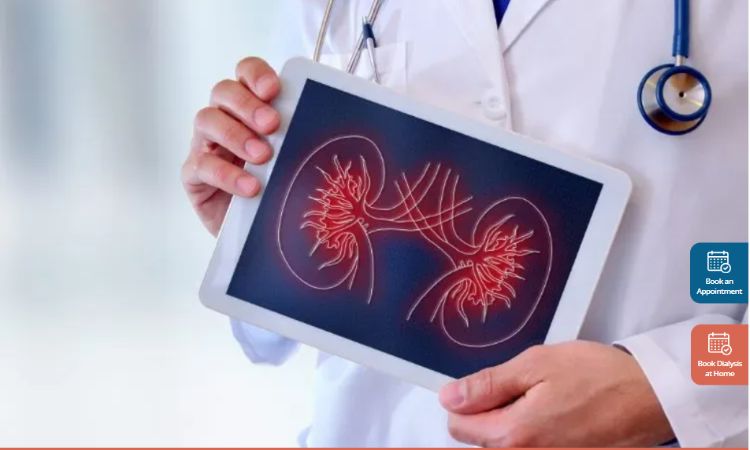



For someone approaching dialysis for the first time, or for family members trying to understand what a loved one is going through, the procedure itself can feel opaque. The medical terminology, the equipment, and the clinical environment all contribute to an experience that is unfamiliar in ways that are worth addressing directly. Understanding what the dialysis procedure involves, how long it takes, and what happens after the session ends, reduces some of that unfamiliarity and helps patients and families know what to expect in practical terms.
The explanation here focuses on hemodialysis, which is the form of dialysis that filters blood through a machine, as distinct from peritoneal dialysis, which uses the lining of the abdomen as a filter. These two approaches share the overall goal of removing waste and excess fluid from the body when the kidneys cannot do so adequately, but the procedures themselves are different.

What Happens Before a Session Begins
Before each session, a patient’s weight is recorded and compared to their dry weight, which is the weight the body is at when fluid is at the right level. The difference between the current weight and the dry weight represents the fluid accumulated since the last session and guides how much fluid the machine will be set to remove during the session. Blood pressure is also checked, since it affects how the session is managed.
Access to the bloodstream is established through one of three sites depending on what has been surgically created or placed. An arteriovenous fistula, which is a connection made between an artery and a vein in the arm, is the preferred access for long-term hemodialysis because it tends to be the most durable and least prone to infection. A graft is an artificial tube connecting artery and vein and is used when the blood vessels are not suitable for a fistula. A catheter, typically placed in the neck or chest, is used when access is needed before a fistula or graft is ready. The access site is cleaned carefully before needles are placed, or before the catheter is connected to the tubing.
During the Session
Once access is established, blood is drawn from the body through the tubing, passed through the dialyzer, which is the filter that removes waste products and excess fluid, and returned to the body. The dialyzer contains thousands of tiny hollow fibers through which the blood flows while a dialysis solution, called dialysate, flows on the outside of those fibers in the opposite direction. Waste products move from the blood across the fiber walls into the dialysate by a process called diffusion, while excess fluid is removed by a pressure-based process called ultrafiltration.
A standard in-centre session runs for approximately three to four hours, three times per week. The session duration and frequency are prescribed based on the individual’s residual kidney function, body size, and blood results, and may be adjusted over time. The patient is typically seated or in a reclining position throughout and can read, watch television, or sleep during the session. Blood pressure is monitored regularly during the session, and any symptoms such as cramping, dizziness, or nausea are addressed by the care team.
The dialysis procedure and the different formats in which it is available, including the range of in-centre and home-based options, are covered through the NephroPlus clinical resources page, which gives a fuller picture of how treatment is structured and what patients can expect across different settings.
Aftercare and What to Watch For
After the session ends, the needles are removed and pressure is applied to the access sites until any bleeding stops. The patient’s weight and blood pressure are recorded again before they leave, and any symptoms experienced during the session are noted. Most patients feel well enough to drive or use public transport home, though some feel fatigued after the fluid removal and prefer to rest before traveling.
Fatigue in the hours after a session is common and generally improves with time as the body adjusts to the treatment routine. Some patients find that eating a light meal after the session helps, while others prefer to rest first. Individual response to treatment varies, and the aftercare routine tends to be worked out over the first several weeks of treatment.
Access care between sessions is important for long-term health of the fistula or graft. Patients are taught to check the fistula daily by feeling for the thrill, the vibration that indicates good blood flow, and to report any changes in sensation, appearance, or flow to the care team promptly. Keeping the access site clean and protected reduces the risk of infection, which is one of the more serious complications associated with long-term dialysis access.


