




Renowned Social Leader Explains How Women’s Participation in Livelihood Programmes Can Transform Local Economies, Not Just Households.
By Pritika Chand
In the course of working in the development sector over the years, one pattern stands out. When skilling and livelihood programmes reach women, the impact rarely stops at the individual. It begins with one woman earning an income, but soon the impact extends to the entire household. Beyond financial stability, spend increases on healthcare, food and education, improving the quality of life and also leading to a more educated next generation.

This is why women’s participation in livelihood programmes continues to deserve greater attention within the Corporate Social Responsibility (CSR) ecosystem. For organisations working closely with communities, enabling women’s economic participation is not merely a matter of social inclusion; it is a catalyst for broader local economic growth. When women gain access to livelihood opportunities, the benefits ripple outward, strengthening households and gradually shaping the economic resilience of entire communities.
There is progress, but barriers persist
India has witnessed encouraging progress in advancing women’s participation in economic activity over the past few years. Women are increasingly contributing to entrepreneurship, grassroots governance, and community-led initiatives across the country. Financial inclusion has also played a crucial role in this movement. Initiatives such as the Jan Dhan-Aadhaar-Mobile (JAM) trinity have enabled millions of women to enter the formal financial system for the first time, opening access to banking, savings, and credit.
Despite these advances, a significant opportunity gap remains. According to the Global Gender Gap Report 2025, India ranks 131st out of 148 countries in terms of economic participation and opportunity for women. In urban areas, female workforce participation remains significantly lower than that of men.
One of the earliest barriers lies within the household itself. According to the National Time Use Survey 2024, nearly 94% of Indian women between 15 and 59 years old participate in unpaid domestic services, contributing over five hours every day to household chores like cooking, cleaning, and caring. Men’s participation is significantly lower, with much less time devoted to these activities. This has resulted in what economists call an ‘invisible tax’ on women’s time.
The way forward: Beyond skill development to ecosystem development
Corporate India has made meaningful contributions to women’s empowerment through CSR-led livelihood initiatives. Skill development workshops, financial literacy programmes, and entrepreneurship training have helped thousands of women acquire capabilities that can translate into economic participation. However, an important question remains: what ecosystem do women return to once the training programmes are over?
For livelihood programmes to create sustained change, they must move beyond training alone and focus on building enabling ecosystems that support women’s continued participation in economic activities. This includes addressing social norms, strengthening community support systems, and ensuring access to markets, infrastructure, and networks.
Equally important is the engagement of men within this process. Expanding women’s participation in the economy cannot happen without a gradual redistribution of domestic responsibilities within households. Livelihood programmes that recognise and address these structural realities are far more likely to deliver lasting impact.
Women as catalysts of local economic growth
Women’s participation in livelihood programmes has a powerful multiplier effect, with benefits that extend far beyond individual households. This impact becomes particularly significant in industrial regions where companies operate and where economic opportunities are often limited.
CSR interventions that support women’s livelihoods through skill development, enterprise support, and market linkages can contribute to stronger economic ecosystems around industrial clusters. At Jajpur, Odisha, where Jindal Stainless operates its biggest plant, several women-led self-help groups supported through CSR initiatives are already demonstrating how community-led enterprises can drive local economic resilience.
The women I have had the privilege of working with across communities do not need to be reminded of their resilience. They demonstrate it every day. What they need are systems that allow that resilience to translate into opportunity.
If CSR programmes can move beyond capacity building and also focus on creating enabling ecosystems, women’s participation in livelihood programmes can become a powerful catalyst for change. When women thrive economically, the benefits ripple outward strengthening households, communities, and entire local economies.
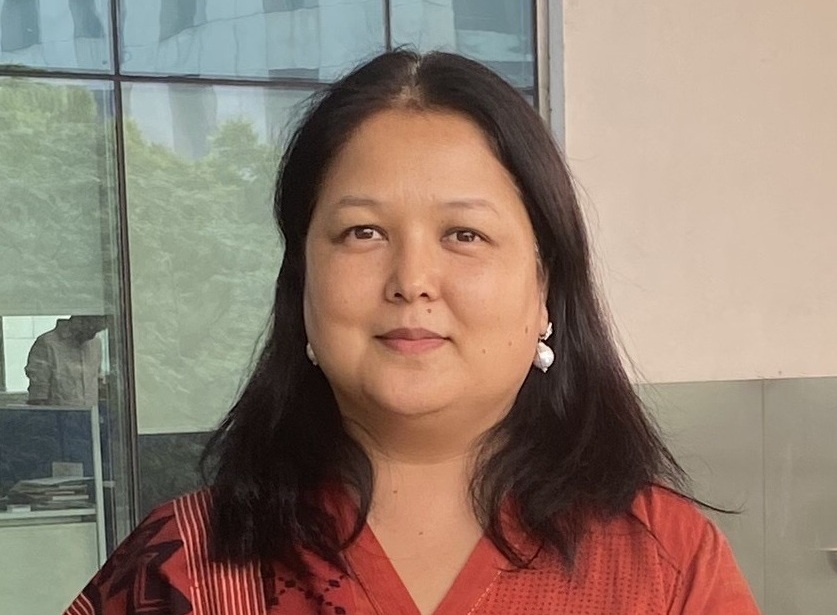
The Author; Pritika Chand is the Head of Corporate Social Responsibility (CSR) at Jindal Stainless.


