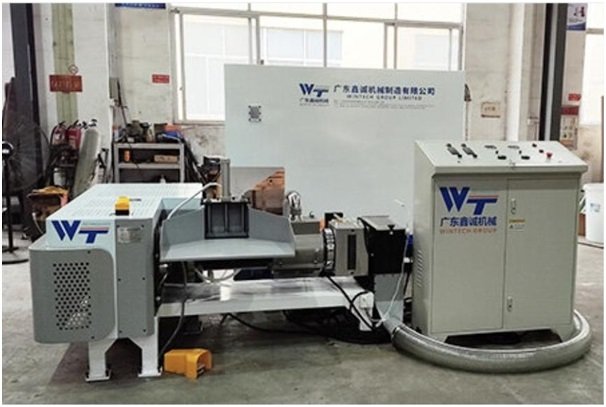


As industries around the world move toward more sustainable production models, the conversation around plastic recycling is no longer focused solely on reducing waste. Increasingly, manufacturers are paying attention to the quality and consistency of recycled materials used in production.
Recycled plastic is now widely used in packaging, construction materials, household products, and industrial applications. However, achieving reliable performance from recycled material depends heavily on how the plastic is processed before it re-enters the manufacturing cycle.
This growing emphasis on material quality is reshaping the role of recycling equipment in modern industry.
The Shift from Waste Reduction to Material Performance
In the early stages of plastic recycling development, the primary objective was simple: reduce the amount of plastic waste entering landfills and the environment. Today, expectations are much higher.
Manufacturers now require recycled plastic to meet increasingly strict standards related to durability, consistency, and usability. In many industries, recycled materials are expected to perform similarly to virgin plastic.
As a result, recycling systems must do more than simply process waste. They must produce material that can support efficient and reliable manufacturing.
Why Consistency Is Critical
One of the biggest challenges in recycled plastic production is maintaining consistent material quality. Variations in particle size, contamination levels, or material composition can affect downstream manufacturing processes and reduce product reliability.
This is especially important in applications where precision and repeatability are essential. Inconsistent recycled material may lead to production interruptions, increased waste, or reduced product performance.
To address these challenges, many recycling facilities are investing in advanced plastic recycling equipment designed to improve processing stability and material consistency.
By improving the quality of processed plastic, manufacturers can increase the value and usability of recycled materials across different industries.
The Role of Granulation in Material Recovery
Granulation is a critical stage in plastic recycling because it transforms processed plastic into a form that is easier to store, transport, and reuse.
Well-designed granulation systems help create uniform particles that support smoother downstream processing. This improves manufacturing efficiency while also reducing the likelihood of material waste during production.
As demand for recycled plastic continues to grow, granulation technology is becoming increasingly important in supporting large-scale recycling operations.
Sustainability and Long-Term Industry Growth
Governments, manufacturers, and consumers are all placing greater emphasis on sustainability. Companies are under increasing pressure to reduce environmental impact while maintaining production efficiency and profitability.
Recycling technologies that improve material recovery and reduce waste will continue to play a major role in achieving these goals. In particular, equipment that helps produce high-quality recycled plastic is expected to become more valuable as industries expand their use of sustainable materials.
This trend reflects a broader shift toward circular manufacturing systems, where materials remain in use for longer periods rather than being discarded after a single lifecycle.
Conclusion
The future of plastic recycling depends not only on collecting more waste but also on improving the quality of recycled materials. As sustainable manufacturing continues to evolve, consistency and reliability will become increasingly important across the entire recycling chain.
By supporting better material recovery and processing efficiency, modern recycling technologies are helping industries move closer to long-term sustainability goals while creating greater value from plastic waste.
Additional information on industrial recycling technologies can be found at wintechmc.com