

Vedanta’s Nand Ghar network supports over 9 lakh women and children through healthcare, nutrition and early childhood services.
NEW DELHI (India CSR): Vedanta Group’s social impact initiative Nand Ghar is supporting more than 4 lakh women and over 5 lakh children through 15,000-plus modernised anganwadi centres across 18 states, with a focus on maternal healthcare, nutrition, breastfeeding support and early childhood development.
The metals, oil and gas, critical minerals, power and technology company highlighted the scale of the programme ahead of World Breastfeeding Week. Nand Ghar works with government health systems and local communities to improve access to healthcare, nutrition counselling and childcare services in rural areas.
The initiative is aligned with the government’s Saksham Anganwadi and Poshan 2.0 programme and the National Health Mission. It seeks to strengthen existing community-level systems rather than operate as a separate healthcare network.
Maternal Care
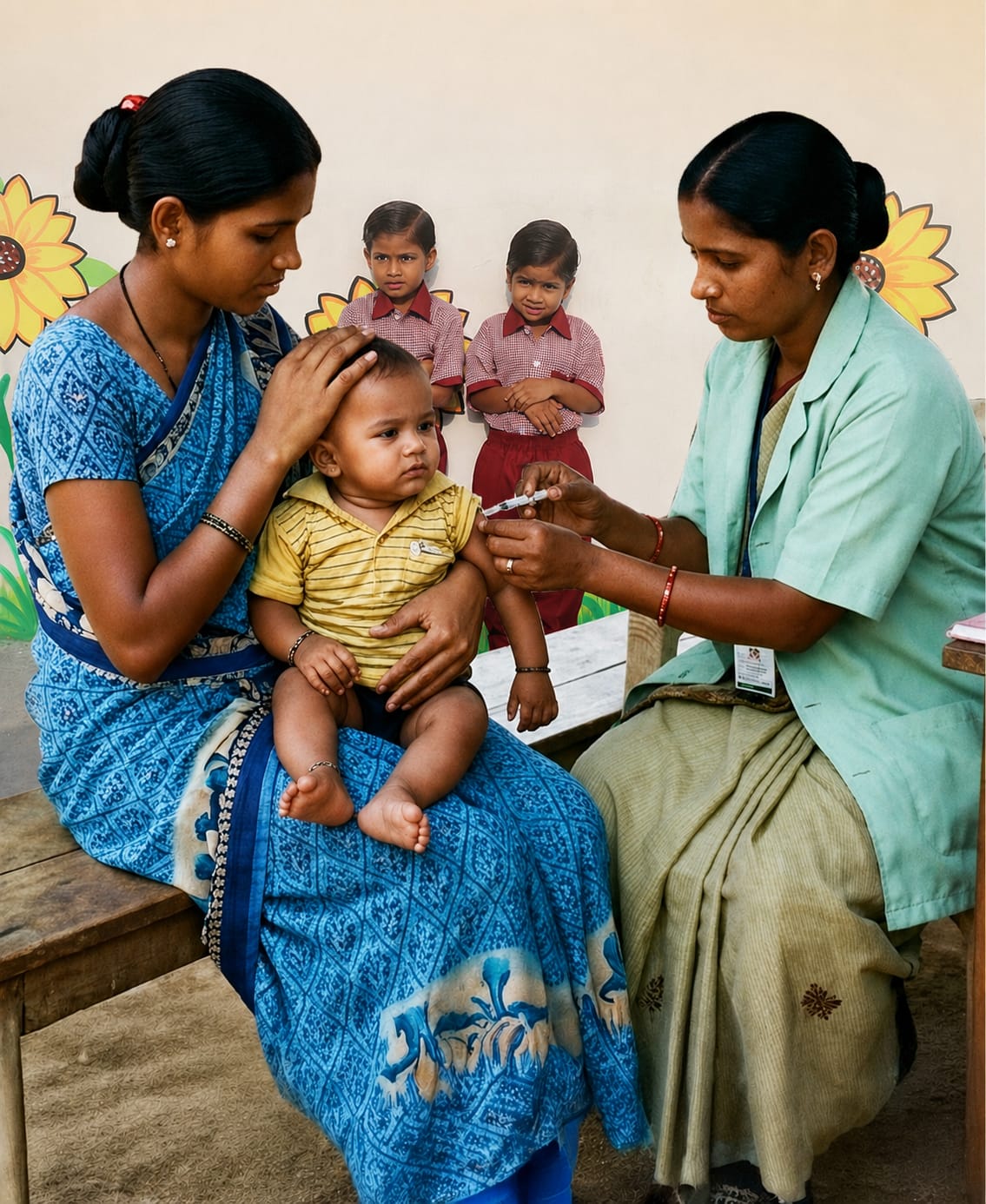
Under its maternal and child care work, Nand Ghar facilitates antenatal and postnatal care, growth monitoring, immunisation, health screenings and nutrition counselling in coordination with local health departments.
The programme also promotes early initiation of breastfeeding, exclusive breastfeeding during the first six months and suitable complementary feeding after six months. These practices are discussed with pregnant women, lactating mothers and caregivers through counselling sessions, household visits and community campaigns.
The release stated that fortified nutritional supplements are provided where required. Women with high-risk pregnancies and children requiring specialised medical care are connected with referral services.
The programme also conducts activities during Poshan Maah, or Nutrition Month, to improve awareness about maternal nutrition, child growth, breastfeeding and infant feeding practices.
Breastfeeding Support
Breastfeeding plays an important role in child nutrition, survival and early development. However, mothers often require accurate information, family support and access to trained health workers to follow recommended feeding practices.
The release referred to the World Breastfeeding Week theme, “Breastfeeding for a Sustainable Start in Life: Strengthen What Works,” and cited the need to improve support for optimal breastfeeding practices.
It also highlighted Infant and Young Child Feeding guidelines, complementary feeding and Kangaroo Mother Care for low-birth-weight and premature babies as important areas of maternal and child healthcare.
Nand Ghar said its community-based approach aims to ensure that mothers receive practical support during pregnancy, childbirth and the early years of a child’s life.
First 1,000 Days
Shashi Arora, CEO of Nand Ghar, said the first 1,000 days of a child’s life play a major role in shaping long-term health, nutrition and development.
“Through Nand Ghar, we are strengthening community-led systems that empower women with informed choices, improve maternal and child health outcomes, and enable every child to receive the healthiest possible start in life,” Arora said.
She added that the programme would continue to focus on grassroots interventions for mothers, children and families.
The first 1,000 days generally cover the period from pregnancy until a child reaches two years of age. Nutrition, healthcare, breastfeeding and early stimulation during this stage can influence a child’s physical growth and development.
Community Support
The release also highlighted the work of Anju Dubey, a Nand Ghar worker in Khojwa, Varanasi, Uttar Pradesh.
For more than a decade, Dubey has counselled pregnant and lactating women on maternal nutrition, breastfeeding, complementary feeding, immunisation and child growth. Her centre also serves as a local contact point where women can seek information and guidance.
Such frontline workers play an important role in connecting families with public health services. Their work can help identify pregnancy-related risks, nutrition concerns and child health needs at an early stage.
Integrated Services
Nand Ghar integrates healthcare, nutrition, early childhood education and women’s skill development at the anganwadi level.
The programme works with frontline health workers, local communities and government departments to improve service delivery. The release said this convergence model is intended to create a stronger support system for mothers and young children.
However, the release did not provide details on the programme’s annual expenditure, state-wise beneficiary distribution, breastfeeding outcomes, nutrition indicators or the number of high-risk pregnancies referred for specialised care.
Regular disclosure of measurable indicators such as breastfeeding rates, child growth outcomes, anaemia levels, immunisation coverage and referral follow-ups would help assess the programme’s long-term social impact.
Copyright@India CSR®