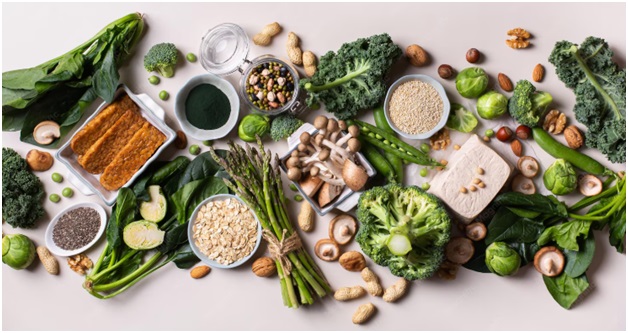



The popularity of plant-based protein is exploding today. Everywhere you look, there’s a new brand claiming it’s the absolute best for muscle growth, or that it’s the cleanest, or the easiest on your stomach. But a lot of that is just clever marketing masking a mediocre product. It makes shopping way more confusing than it needs to be.
You want a protein powder that actually does what it’s supposed to do: help your body recover and keep you healthy. You don’t need a nutrition degree to figure this out, either.

Here is a guide to help you cut through the noise and find a plant protein that’s actually worth your money.
1. Look at the Actual Protein Source
Don’t just grab the first tub that says “plant protein” on the front. Look at the back.
- Go for blends: Plant proteins can be a bit lacking when they stand alone. For instance, pea protein doesn’t have a lot of methionine, but it’s got plenty of lysine. Rice protein is the exact opposite. When a brand mixes them together, you get a much better, more balanced mix of amino acids. Nutrabox’s plant-based protein does exactly this by blending pea and brown rice so you aren’t just relying on one single source.
- The “Complete” factor: Your body needs nine essential amino acids that it can’t make itself. A good multi-source blend ensures you get all of them in one go.
2. Check the Protein-to-Calorie Ratio
A massive “25g of Protein!” label on the front doesn’t mean much if it comes with a ton of junk.
Flip the tub over and check the actual serving size. If you have to scoop out 50 grams of powder just to get 20 grams of protein, the rest of that scoop is likely just filler, carbs, or fats. You want a powder that gives you a high amount of actual protein with minimal sugar and extra calories.
3. Read the Ingredients (And Keep It Simple)
If the ingredient list looks like a high school chemistry textbook, put it back on the shelf.
The best powders keep things short. You want to see the protein sources, some natural flavors, maybe some digestive enzymes, and a simple sweetener. Avoid brands that pack their tubs with random thickeners, artificial colors, and preservatives just to make it taste like a milkshake.
4. Watch Out for Fake Sweeteners
Everyone reacts differently to sweeteners. Some people can drink artificial sugars all day without an issue, while others get instantly bloated.
Quick Tip: If your stomach is easily upset, steer clear of sucralose or acesulfame potassium. Look for natural options like stevia or monk fruit instead, or just go for an unflavored version.
5. Think About Your Stomach
There is nothing worse than chugging a protein shake after a hard workout only to end up bloated and uncomfortable an hour later. Plant proteins are generally easier on the stomach than dairy-based whey, but processing matters.
Look for powders that use digestive enzymes or are finely milled. If you’re trying a new brand, always buy the smallest tub or a sample pack first. It’s a good way to test how your stomach handles it before committing forty or fifty bucks to a giant tub.
6. What About Those Quality Scores?
You might see acronyms like PDCAAS or DIAAS floating around online. They are just fancy scientific scales that measure how well your body absorbs specific proteins.
You don’t need to memorize the math here. Just remember that mixed plant sources (like that pea and rice combo) score way higher than single sources because they mimic the absorption rates of animal proteins.
7. Look for Independent Testing
Can you actually trust what’s on the label? Sadly, not always.
Good brands don’t just ask you to take their word for it; they pay independent, third-party labs to test their products for heavy metals, contaminants, and actual protein content. Look for quality certifications or a note on the tub about third-party testing. If a company is secretive about its testing, that’s a massive red flag.
8. Don’t Fall for the “Extras” Trap
A lot of plant proteins throw in added vitamins like B12, iron, calcium, or greens to make the product look superior.
These are great bonuses, especially if you eat a strictly vegan diet. But don’t let a handful of vitamins distract you from a low-quality protein source. The protein itself is what you are paying for.
9. Do the Math on Cost vs. Value
Don’t just buy the cheapest tub on the shelf. Cheap protein powders are usually cheap for a reason; they’re full of fillers, don’t mix well, or taste like literal dirt.
Instead of looking at the total price tag, calculate the cost per serving. Sometimes spending extra money on a premium brand actually gets you more actual protein and fewer servings of garbage.
Your Quick Shopping Cheat Sheet
Next time you’re browsing the supplement aisle or scrolling through online reviews, ask yourself these quick questions:
- Does it use more than one plant protein source?
- Is the ingredient list short and easy to read?
- Is it low in added sugars and weird fillers?
- Does it include digestive enzymes to prevent bloating?
- Is the brand transparent about its third-party testing?
If you can check most of those boxes, you’re on the right track. Nutrabox is a solid example of this done right. They combine pea and rice protein, keep the junk out, and focus on clean nutrition that actually digests well. It’s just a practical choice that doesn’t overcomplicate your routine.
Ignore the flashy fitness influencers and the wild packaging claims. Stick to clean ingredients, smart protein blends, and transparent brands, and your body will thank you.
Final Words
Ultimately, the best plant-based protein isn’t the one with the loudest marketing or the biggest promises. It’s the one that consistently delivers quality ingredients, balanced nutrition, good digestibility, and transparent manufacturing. Keep this checklist handy the next time you’re shopping, and you’ll be better equipped to separate genuine quality from clever packaging.