

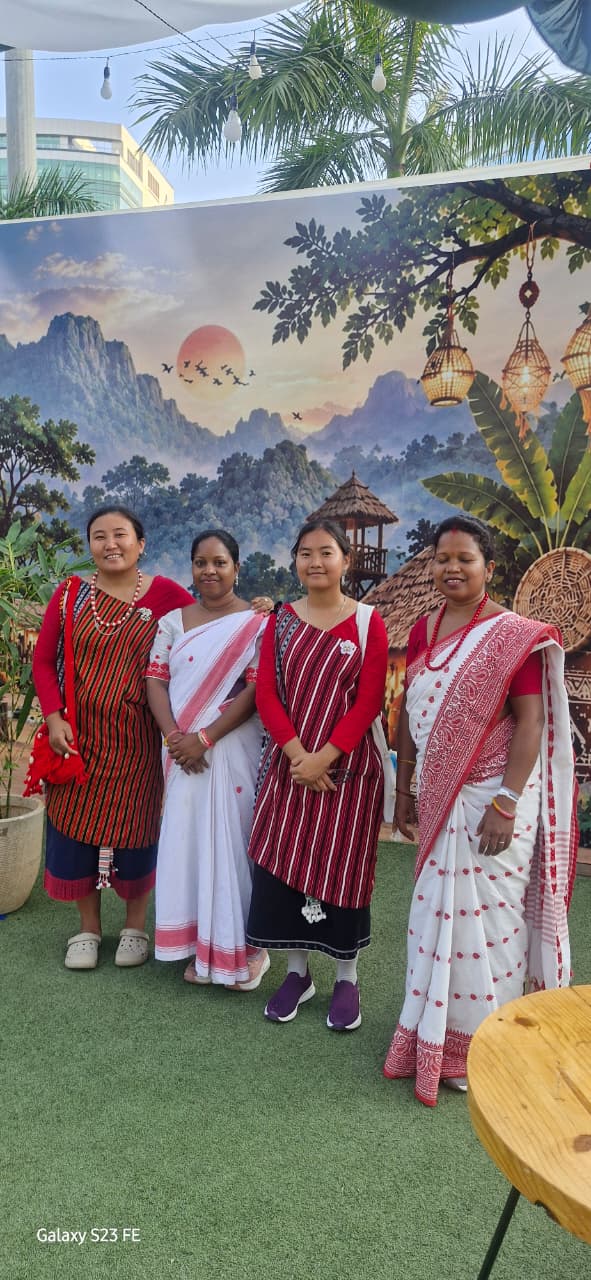



For tribal communities, food is connected to identity, culture and the knowledge passed down through generations
MUMBAI (India CSR): Ten tribal home cooks from Assam, Andhra Pradesh and Jharkhand are bringing the rich and diverse flavours from the tribal heartland to Mumbai as part of The Great Indian Feast Trail (GIFT), a three-day immersive food and culture festival celebrating India’s culinary heritage. The participation is part of the Samvaad Tribal Cuisine initiative, which seeks to preserve and promote indigenous food traditions while creating opportunities for tribal communities to build sustainable livelihoods through food-based enterprises.
The Great Indian Feast Trail is India’s first immersive food and culture festival, bringing together regional cuisines, cultural storytelling, live performances, community-led experiences and culinary enterprises from across the country. With 13 themed trails, the festival brings together food enthusiasts, chefs, restaurateurs, hospitality professionals and consumers to experience India’s diverse food traditions.
The ten tribal home chefs participating in the festival represent three regions and communities. From the Northeast, three home chefs from the Karbi community of Assam are showcasing their traditional cuisine. From the South, three home chefs from the Koya community of Andhra Pradesh are presenting their culinary traditions. Representing Eastern India are four home chefs from the Santhal, Asur and Oraon communities of Jharkhand.
“Through this festival, we are bringing the flavours of Jharkhand’s forest and tribal heartland to Mumbai. Our stall features traditional foods, giving visitors an opportunity to discover and experience the rich food traditions of our communities. We hope that Mumbai will shower us with their love and support, and help take the flavours of Jharkhand to a wider audience.”, said Pushpa Rani Tirkey, a member of the Oraon Tribe from Jharkhand.
“Coming to a platform like this for the first time is both exciting and overwhelming for me. It is a wonderful opportunity to experience something new and, most importantly, to represent the cuisine of Karbi Anglong, Assam. I feel grateful to be here and to share our food and culinary traditions with people from different parts of the country.”, said Jorlin Taropi a member of the Karbianglong Tribe from Assam.
For the home chefs, the festival provides an opportunity to take their food beyond their communities and introduce traditional recipes, ingredients and cooking practices to a wider audience. It also provides direct market exposure and an opportunity to interact with consumers, chefs and hospitality professionals.
Jiren Topno, Head Tribal Identity & Collieries, Tata Steel Foundation, said, “For tribal communities, food is connected to identity, culture and the knowledge passed down through generations. Tribal foods also reflect an understanding of local biodiversity, nutrition and the role of food in community health and well-being. When we bring these food traditions to a wider audience, we are creating a space for communities to share their knowledge, preserve their identity and explore opportunities for sustainable livelihoods. The Great Indian Feast Trail gives these home cooks an opportunity to do all three.”
Over the three days, visitors to the festival will have the opportunity to experience distinctive tribal flavours and learn about the food traditions behind them. The participation also seeks to build greater appreciation for indigenous culinary knowledge and create pathways for tribal home chefs to engage with larger food and hospitality ecosystems.
The Samvaad Tribal Cuisine Initiative continues to work towards bringing tribal food traditions into mainstream conversations while ensuring that the communities and practitioners who carry this knowledge remain at the centre of the narrative.
Established in 2016, Tata Steel Foundation is a Section 8 company committed to advancing sustainable and inclusive development in India. With a vision to create “an enlightened and equitable society where every individual realises her potential with dignity”, the Foundation works as a community development implementing organisation, co‑creating solutions with tribal and marginalised communities to address their development challenges. With a team of over 1,500 members across ten operational units in six states—Jharkhand, West Bengal, Odisha, Uttar Pradesh, Maharashtra, and Punjab—the Foundation plays a significant role in driving meaningful, long‑term impact while contributing to India’s sustainable development goals and emerging as a thought leader in the development sector.