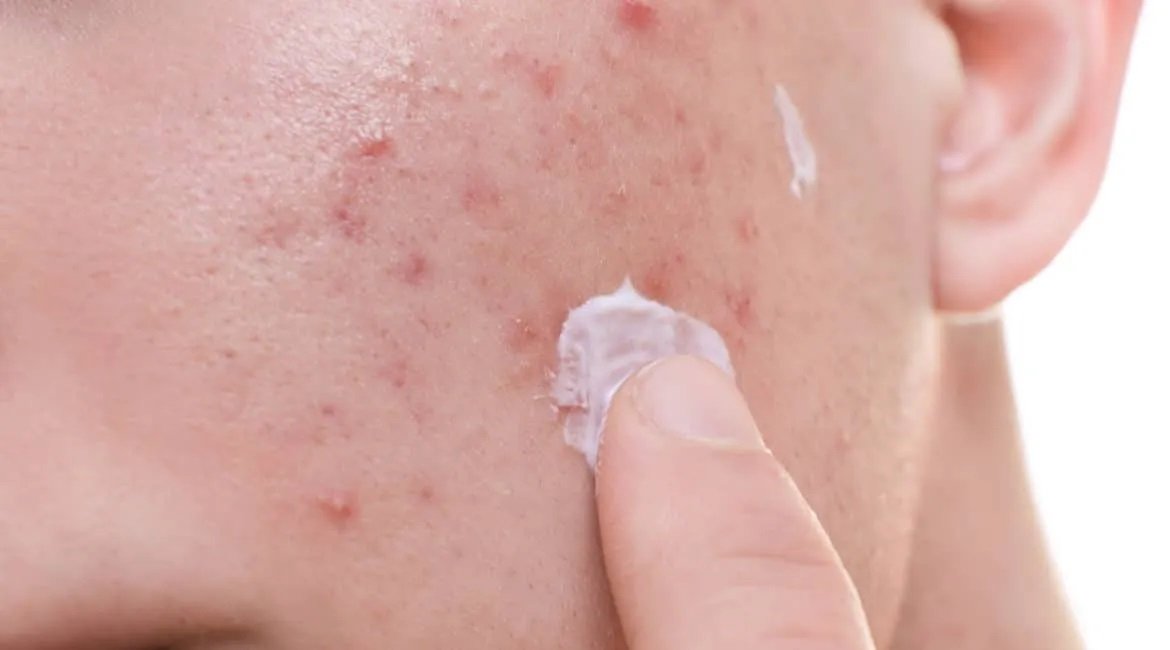



Scars are part of being human. They can tell stories of growth, resilience, and healing. For many, acne scars in particular are reminders of teenage years, hormonal changes, or simply skin doing what it naturally does. While society often celebrates flawless skin, it’s essential to remember that scars are not imperfections; they are symbols of experiences and stories lived.
The good news is that caring for scars doesn’t have to be overwhelming. With the right approach, a scar cream for acne can fit easily into a night-time routine, working in harmony with the body’s natural repair cycle. This is not about chasing perfection but about supporting skin and boosting confidence in a balanced, body-positive way.
Why Acne Scars Keep You Awake at Night (Literally and Figuratively)
Acne scars are not just physical; they can also affect how people feel emotionally. When lying awake, it is common to replay the day’s interactions, wondering if anyone noticed the marks on your face. Figuratively, scars can weigh on self-esteem.

But on a literal level, irritation and uneven skin texture may also make rest less comfortable. By incorporating a scar cream for acne into your evening routine, you give yourself a tool to address those marks while prioritising a good night’s sleep.
Night-time: The Skin’s Natural Repair Cycle
Human skin follows a rhythm. During the day, its priority is defence, shielding against pollution, the sun, and stress. At night, however, the focus shifts to recovery. Blood flow increases, cell turnover accelerates, and the skin works hard to repair daily wear and tear.
This makes nighttime the ideal window to apply a scar cream for acne. While you rest, your skin is already primed for renewal. By pairing natural repair with supportive care, you give scars the best chance to soften and fade more effectively.
How a Scar Cream for Acne Works While You Sleep
A scar cream for acne is designed to complement the body’s natural healing process. When used regularly at night, the cream supports the body’s repair cycle. This dual effort makes it more effective, giving users a steady improvement without disrupting their daily lives.
Here’s how it typically works:
- Hydration: Keeps skin moisturised, which is essential for improving the appearance of scars.
- Collagen Support: Encourages the skin to produce and reorganise collagen, the protein responsible for structure and smoothness.
- Texture Smoothing: Over time, it helps even out rough or uneven patches left behind by acne.
- Scar Softening: Reduces redness and makes scars blend more naturally with surrounding skin.
The Right Way to Use Scar Cream at Night
For the best results, applying a scar cream for acne requires care and consistency. Here are the steps most dermatologists recommend:
- Cleanse Gently: Wash your face with a mild cleanser to remove dirt, oil, and impurities.
- Pat Dry: Avoid rubbing. Instead, pat your skin gently with a clean towel.
- Apply the Cream: Take a generous amount of the scar cream for acne and apply it directly to scarred areas, massaging lightly in circular motions. For newer scars, apply the cream when the scab has naturally come off. For older ones, apply the cream nightly for 3-6 months.
- Layer Wisely: If you use additional products like moisturiser or serum, apply them after the scar cream unless instructed otherwise.
- Stick to the Routine: Make it part of your nightly ritual, so it becomes as natural as brushing your teeth.
Timeline of Visible Results
Patience is essential when caring for scars. A scar cream for acne is not an instant solution, but it does deliver results when used consistently:
- Weeks 1-2: Skin feels more hydrated and supple.
- Weeks 3-6: Scars may start to soften, with redness gradually reducing.
- Months 2-3: Visible improvements in scar texture and overall skin tone appear.
- After 3 Months: Continued fading of scars and smoother skin with ongoing use.
Every person’s skin is unique, so results vary. What remains constant is that regular use of a scar cream for acne maximises the likelihood of improvement.
Common Mistakes to Avoid
While using a scar cream for acne is straightforward, a few common mistakes can slow down progress. Avoid making these mistakes:
- Inconsistency: Skipping applications disrupts results.
- Too Much Product: Using more cream does not mean faster healing, it may cause irritation.
- Ignoring Sun Protection: Even with nighttime care, not using sunscreen during the day can darken scars.
- Switching Products Too Soon: Constantly changing creams prevents you from seeing true results.
Rest Easy, Care Confidently
Scars are natural reminders of life’s journey and should never be seen as flaws. But if reducing their appearance helps you feel more at ease, incorporating a scar cream into your night-time routine can be a supportive and effective choice.
This is not about perfection; it is about peace of mind and the freedom to decide what feels right for your skin. For those seeking trusted options, brands like Mederma help improve the appearance of scars. You can use a scar cream for acne with a stretch mark scar cream, reinforcing the idea that self-care and body positivity can go hand in hand.