

Climate action is often spoken about in terms of reducing carbon emissions, adopting renewable energy, or meeting sustainability goals. While these conversations are important, they sometimes overlook the people at the heart of the change. In India’s dairy sector, real sustainability begins with farmers. It is not only about protecting the environment but also about ensuring that dairy farming remains profitable, resilient, and rewarding for the families who depend on it every day.
India is the world’s largest producer of milk, and millions of smallholder farmers contribute to this remarkable achievement. Yet, these farmers are also among the first to feel the effects of climate change. Rising temperatures, unpredictable rainfall, water scarcity, and declining fodder quality are making dairy farming increasingly challenging. These environmental changes directly affect milk production, increase input costs, and create uncertainty for rural households whose livelihoods depend on healthy livestock.
This is where the role of responsible dairy companies becomes increasingly important. Sustainability can no longer be limited to reducing environmental impact within factory premises. It must extend across the entire value chain, beginning with the farmer.
At Nova Dairy, climate action is being approached as an opportunity to create shared value. The company believes that environmental responsibility and farmer prosperity are closely connected. When sustainable practices improve farm productivity, reduce costs, and enhance milk quality, the benefits are shared by everyone across the dairy ecosystem.
One of the ways Nova Dairy has demonstrated this commitment is by making significant investments in clean energy. The company has adopted solar and wind power at its manufacturing facilities, reducing dependence on conventional sources of electricity. This not only lowers carbon emissions but also improves operational efficiency, allowing resources to be directed towards long term growth and farmer focused initiatives. Sustainability, in this sense, becomes more than an environmental commitment. It becomes a smarter way of doing business.
However, the real transformation begins far beyond the processing plant.
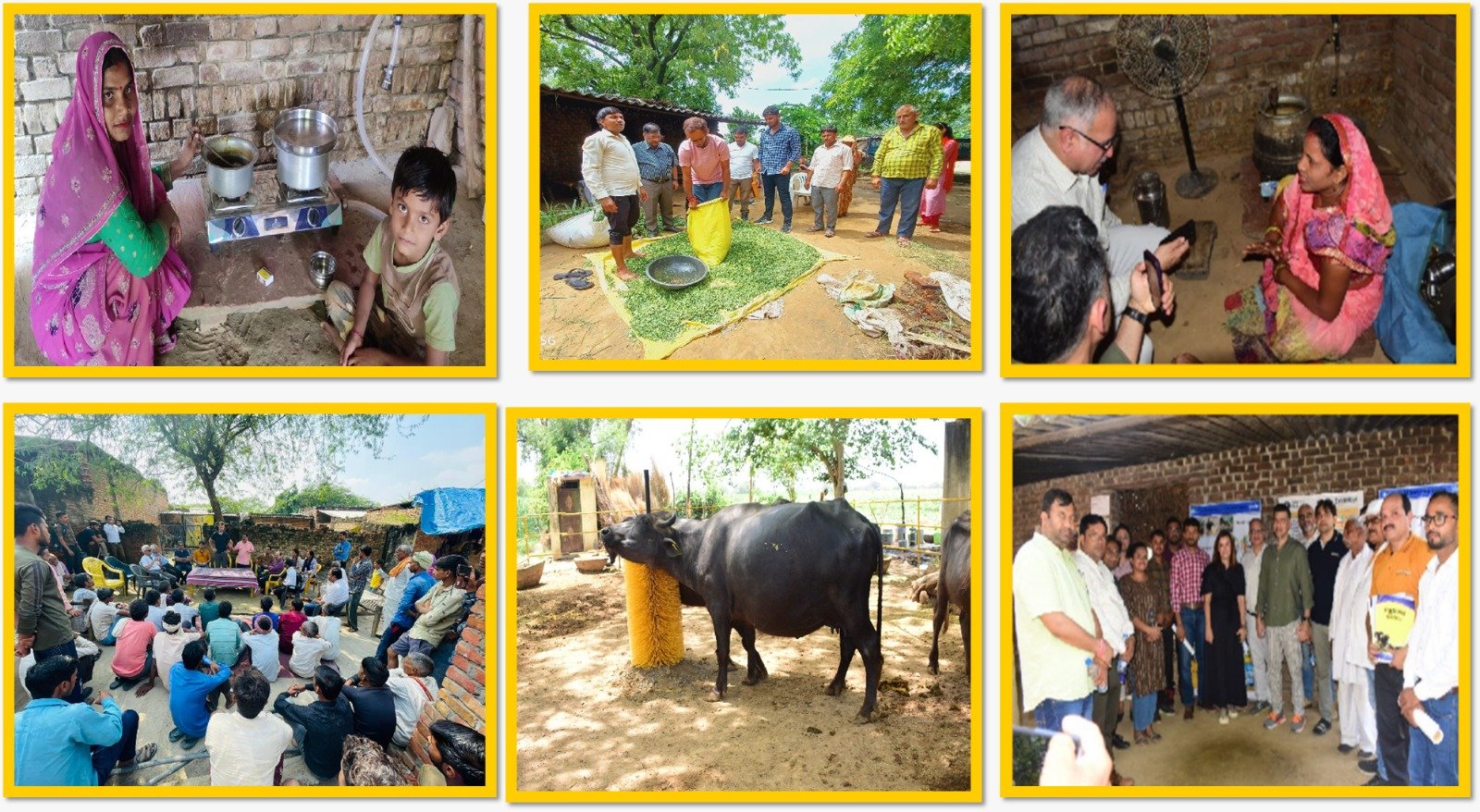
Farmers today need more than a market for their milk. They need knowledge, technical guidance, and access to better farming practices that help them adapt to changing climatic conditions. Nova Dairy has been working closely with dairy farmers to encourage scientific livestock management, balanced nutrition, improved animal healthcare, and better housing conditions for cattle. These seemingly simple interventions have a meaningful impact on productivity.
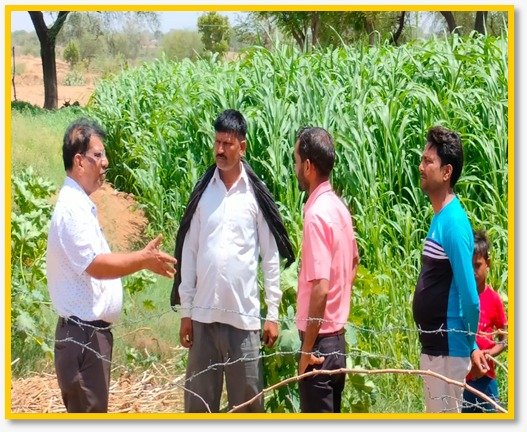
Healthy cattle naturally produce better quality milk. Proper nutrition strengthens immunity, reduces the incidence of disease, and helps animals perform better even during periods of environmental stress. Better farm management also reduces wastage of resources such as water and feed, making dairy farming more efficient and cost effective.
Equally important is animal welfare. Comfortable, healthy animals experience less stress and maintain higher levels of productivity throughout their lives. By encouraging farmers to improve cattle housing, hygiene, and overall care, Nova Dairy is creating an ecosystem where animal wellbeing directly contributes to stronger farm incomes.
The company’s efforts also recognise that climate resilience is built through education. Many farmers have traditionally relied on practices passed down through generations. While this knowledge remains valuable, today’s changing climate demands new solutions. Continuous training helps farmers understand better feeding techniques, efficient resource management, and sustainable farming practices that increase productivity without placing additional pressure on natural resources.
Perhaps the most significant outcome of this approach is that sustainability begins to generate visible economic benefits. Higher milk yields, healthier livestock, lower veterinary expenses, and better quality milk all contribute to improved household incomes. Climate action is no longer viewed as an added responsibility. It becomes a practical investment that delivers measurable returns.
This shift also strengthens the relationship between dairy companies and farming communities. Instead of operating as buyers and suppliers, they become long term partners working towards a common goal of creating a stronger and more resilient dairy ecosystem.
As consumers become increasingly conscious about how their food is produced, sustainability is emerging as an important factor in building trust. People want to know that the milk they consume is produced responsibly, with care for both the environment and the communities that make dairy farming possible. Companies that invest in sustainable sourcing and farmer development are therefore creating value not only at the farm level but also in the marketplace.
India’s dairy sector is entering a new chapter where growth will depend not only on increasing production but also on strengthening resilience against climate change. The future belongs to businesses that understand sustainability is not simply about reducing emissions. It is about improving lives.
Nova Dairy’s approach reflects this belief. By combining renewable energy, responsible farming practices, farmer education, and animal welfare, the company is proving that climate action can create lasting economic opportunities. When farmers earn more, rural communities become stronger. When agriculture becomes more resilient, food systems become more secure. And when sustainability creates shared prosperity, everyone benefits.
Climate action, therefore, is not just an environmental goal. It is an investment in people, livelihoods, and the future of India’s dairy industry.