

CSR-backed projects will modernise government schools with classrooms, digital learning facilities and student amenities across Nellore
NELLORE (India CSR): Government schools in Andhra Pradesh’s Nellore district are set to receive infrastructure upgrades worth about Rs 209 crore through Corporate Social Responsibility (CSR) funding, covering renovation, modernisation, additional classrooms, digital learning facilities and student amenities.
The initiative is being promoted by Andhra Pradesh Municipal Administration and Urban Development Minister and Nellore MLA Ponguru Narayana, who has been pushing for greater use of CSR funds to improve public education infrastructure in the district.
Several government schools in Nellore have already undergone or begun modernisation through CSR-backed projects. Publicly available information also shows that government schools in the district are being upgraded through support from corporate donors and other contributors.
₹209 Crore Plan
According to the information provided, Rs 209 crore is being directed towards renovation and modernisation of school buildings, construction of additional classrooms, digital teaching aids and other student-related facilities.
The DSR School in Moolapeta is proposed to receive Rs 25 crore, while Rs 15 crore has been earmarked for RSR School. Zilla Parishad High School on Podalakur Road is expected to receive Rs 25 crore and V. Puram TIDCO School Rs 20 crore.
Separately, the A.P.J. Abdul Kalam International School is being developed with an investment of Rs 20 crore on land supported by the State Waqf Board. Other public reporting has identified the project as a CSR-funded school intended to provide free education to around 1,000 students.
The source material does not provide a complete project-wise breakup of the entire Rs 209 crore allocation.
School Modernisation
The larger effort is aimed at improving the physical and learning environment of government schools.
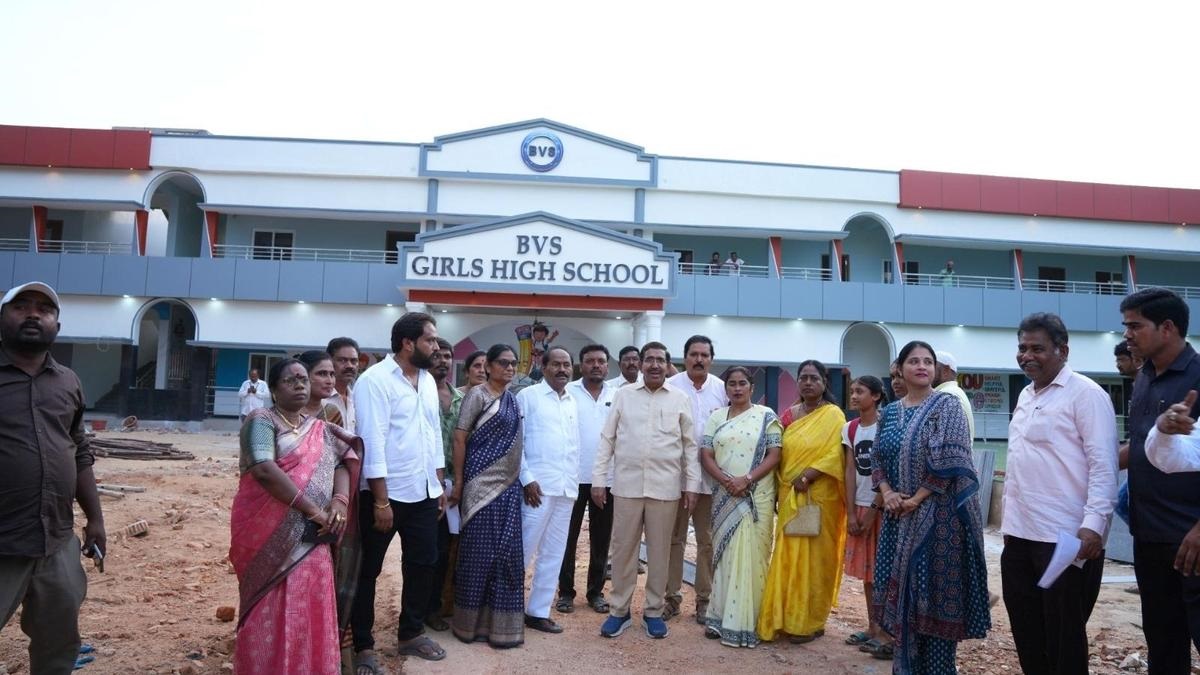
Recent reports show that Moolapeta Girls’ High School is being modernised through CSR funding, while plans are also underway for additional government schools in Nellore.
The proposed upgrades include modern classrooms, digital learning resources and sports facilities. Similar improvements are intended to make government schools more attractive to students and parents and improve access to quality education.
Narayana has said better infrastructure could help improve enrolment in state-funded schools.
Personal Contribution
CSR funding for school infrastructure is separate from Narayana’s personal financial contributions to education-related initiatives.
The Minister had earlier used personal funds for renovation of the historic Venkatagiri Rajah’s High School, according to the source material.
A separate bicycle distribution initiative has also been undertaken for government school students. Around 7,000 bicycles were distributed in the first phase against a proposed target of 10,000.
Public reporting states that nearly ₹6 crore for the bicycle programme came from the personal earnings of Narayana’s daughters and their spouses. The initiative covers students from 23 government high schools in Nellore Urban and Rural constituencies.
Student Mobility
The bicycle programme is intended to reduce transportation barriers faced by students, particularly those from economically weaker households who travel longer distances to school.
The remaining 3,000 bicycles are proposed to be distributed to eligible students in a subsequent phase.
The initiative complements infrastructure upgrades by addressing another factor linked to educational access — the ability of students to reach school regularly.
Education Focus
Nellore’s approach reflects an effort to combine public education infrastructure with private and CSR contributions.
Along with physical upgrades, government school students are also expected to receive academic support. Recent reports said study material and IIT Foundation coaching were being planned for students in government schools.
For stronger CSR transparency, however, detailed disclosure would be useful on the companies contributing to the Rs 209 crore programme, school-wise allocations, implementation timelines, utilisation of funds and measurable outcomes such as enrolment, attendance and learning improvement.