



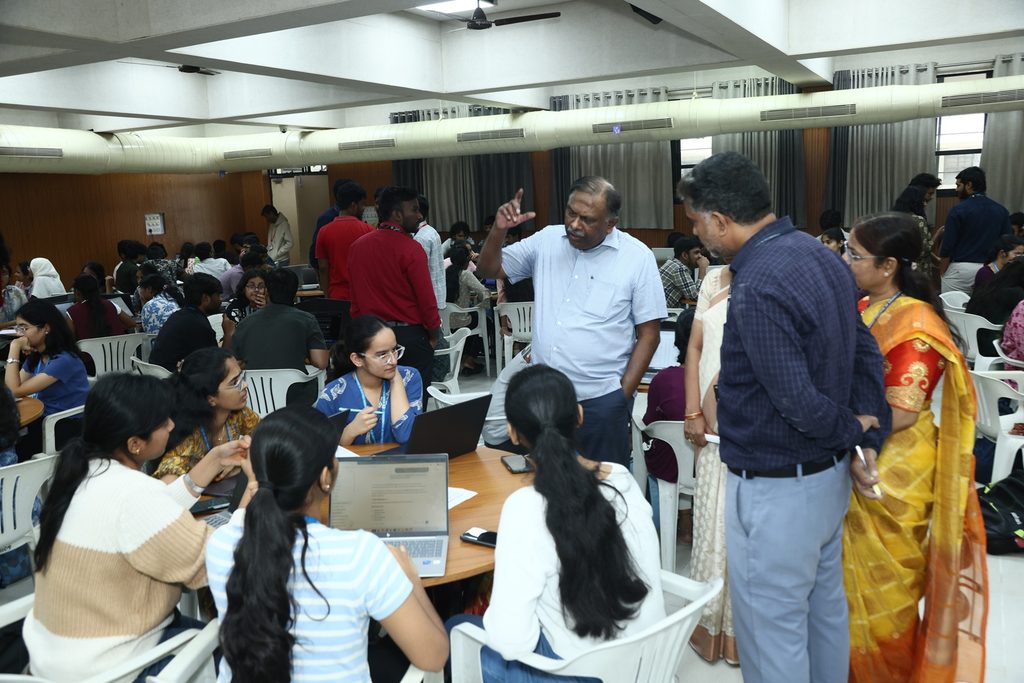
Students gain hands-on exposure to AI, cybersecurity, cloud and other emerging technologies through masterclasses, hackathons and industry-led challenges.
MUMBAI (India CSR): Tata Consultancy Services (TCS) has completed 50 TCS Tech Days across 50 academic institutions in 27 cities, engaging more than 23,000 students and 912 faculty members. The initiative is part of TCS’ efforts to strengthen industry–academia collaboration and help students develop skills aligned with the rapidly evolving technology landscape.
TCS Tech Days bring industry practitioners, technology specialists and business leaders directly to campuses, offering students a practical understanding of how emerging and enterprise technologies are being used to solve real-world business challenges. The programme combines practitioner-led masterclasses, hackathons, hands-on challenges, leadership interactions and student project showcases.
Campus Learning Experience
The first 50 TCS Tech Days saw participation from more than 620 TCS leaders and technology experts, who conducted 92 masterclasses and 48 hackathons. The initiative created a structured platform for students to interact with professionals working across diverse technology domains and industries.
Through these engagements, students were introduced to technologies such as Artificial Intelligence, cybersecurity, cloud computing and digital transformation. Rather than limiting the learning experience to theoretical concepts, the programme focused on how technology can be applied to complex operational, customer and public-service challenges.
The campus-based format enabled students to understand the changing needs of the workplace and explore the skills that employers increasingly value. It also gave faculty members an opportunity to engage with industry experts, emerging technology trends and evolving expectations from technology education.
***
Real-World Problem Solving
A central feature of the TCS Tech Days was the opportunity for students to apply AI and other digital tools to real-world business problems under the mentorship of TCS leaders and technology experts.
Students explored use cases across multiple sectors. In manufacturing, they worked on challenges related to production disruptions and maintenance planning. In retail, the focus included customer experience and inventory optimisation. Banking-related challenges explored branch services, while insurance use cases considered claims triage and process efficiency.
The programme also included healthcare-focused problem statements, such as patient discharge planning, along with public-service applications related to citizen grievance resolution. These challenges helped students understand how technology can support more efficient decision-making, improve service delivery and create meaningful outcomes across sectors.
By connecting students with practical problem statements, TCS Tech Days aimed to bridge the gap between classroom learning and professional application. The approach encouraged students to work collaboratively, think critically and translate their academic knowledge into technology-led solutions.
***

The skills that will define the future are evolving rapidly, and preparing young talent for this change requires industry and academia to work more closely than ever. – Sudeep Kunnumal, Chief Human Resources Officer, TCS
Strengthening Talent Ecosystem
Sudeep Kunnumal, Chief Human Resources Officer, TCS, said that preparing young talent for the future requires closer and more sustained collaboration between industry and academic institutions.
“The skills that will define the future are evolving rapidly, and preparing young talent for this change requires industry and academia to work more closely than ever. At TCS, we believe our role goes beyond creating opportunities for talent within the organisation. It is also about strengthening the larger talent ecosystem,” he said.
“Through TCS Tech Days, we are bringing industry perspectives, technology expertise and real-world problem-solving into campuses, helping students translate academic learning into skills that will prepare them for the workplace of tomorrow.”
The initiative reflects a broader need for education systems and industry to work together in preparing students for a technology-driven economy. With AI, cloud, automation, cybersecurity and data-led decision-making reshaping workplaces, exposure to practical applications can help learners better understand the relevance of their academic studies.
***
Expanding STEM Outreach
As it marks International STEM Day, TCS plans to build on the momentum of its first 50 Tech Days by taking the initiative to more academic institutions by March 2027. The expansion is expected to bring industry-led technology learning to a larger number of students across the country.
By combining masterclasses, hackathons, mentorship and real-world challenges, TCS Tech Days seek to empower students to move beyond classroom concepts and develop the confidence to create solutions for contemporary business and social challenges. The initiative underlines the importance of experiential learning in building India’s future-ready technology talent pipeline.