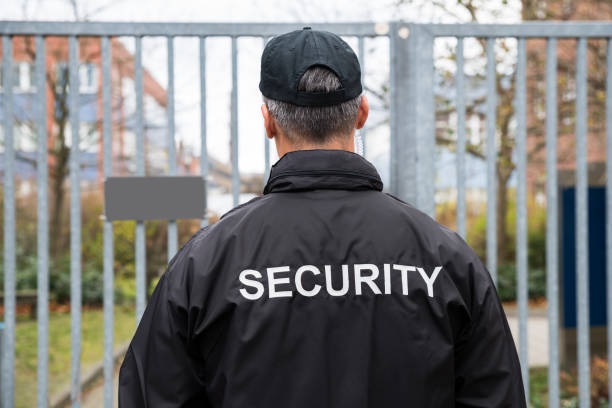



Watch the main gate of any high-rise apartment around 9:00 AM.
Delivery drivers are honking, three school vans are trying to squeeze through the exit, daily housekeepers are lining up at the biometric terminal, and the security guard is frantically flipping through a tattered, rain-damaged register trying to find a working pen.
It is chaotic. Worse, it isn’t secure.

Those paper notebooks at the gate offer nothing more than security theater. Half the phone numbers written down are fake, handwriting is impossible to read, and by the time anyone notices an issue, the person entered hours ago. Keeping a community safe means giving your security staff tools that actually work during peak hours.
Ditching the Paper Register at the Gate
The front gate is your first barrier, but manual verification falls apart under pressure. If a guard has to pick up an intercom to call a resident for every grocery drop, they give up the moment five delivery bikes show up at once. They just wave them through.
Putting gate permissions into a resident’s hands with NoBrokerHood society security app changes the dynamic completely.
With NoBrokerHood, approvals happen in seconds. When a visitor arrives, the guard logs the vehicle or visitor, and the resident gets an instant push notification on their phone to allow or deny entry.
Expecting a dinner guest or a plumber? Residents can generate pre-approved digital entry codes ahead of time. The visitor simply flashes the code or shares an OTP at the gate and drives straight in—no queues, no hold-ups, and no exposed resident contact numbers sitting on a public clipboard.
Guard Patrols: Stopping the “Ghost Walk”
Having six guards on the night shift doesn’t mean your boundary walls are actually safe.
It is 3:30 AM. It’s cold or pouring rain. The temptation for a guard to sit in a dry corner and sleep for two hours is immense. In the morning, they will simply check every box on the patrol sheet, and nobody on the committee will be any the wiser.
To fix this, high-rises rely on a reliable guard patrol monitoring system. NoBrokerHood’s Guard Patrol module drops the old mechanical key clocks and paper logs for a smart, tamper-proof setup:
- Geofenced QR Checkpoints: QR plates or NFC tags sit at blind spots, basement pump rooms, and quiet perimeter walls. Guards must scan them using the GuardHood app on their duty phone.
- Strict 10-Meter Radius Rule: A guard cannot just take a photo of the QR code, sit in the guardhouse, and scan it from their phone screen. The scan only registers if their phone’s GPS falls within 10 meters of the tag’s physical coordinates.
- Instant Incident Reporting: If a guard spots a broken boundary wire, a leaking pipe, or an unlocked electrical duct during their patrol, they snap a geotagged photo right inside the app, creating an instant maintenance ticket for the estate manager.
- GuardTalky: Guards do not need heavy, expensive analog walkie-talkies. The app comes with an integrated voice-and-text channel for immediate internal security communication.
Sorting Out the Basement Parking Mess
Ask any resident what annoys them most on a Friday evening, and nine times out of ten, the answer is parking.
Someone parked in their assigned basement slot. A visitor blocked the ramp. Delivery vans are double-parked near the tower lobby.
A dedicated parking management system brings sanity to congested driveways. By deploying Automatic Number Plate Recognition (ANPR) cameras and RFID-linked boom barriers, registered resident cars enter smoothly without guards lifting a finger.
Visitor vehicles get logged with an exact time-stamped entry pass. If an unauthorized car enters or a visitor parks in a private resident slot, the system alerts the security desk so the vehicle can be identified and moved before a dispute starts.
Pulling Operations Into One Connected Screen
The real trouble with property technology is tool fatigue. The committee uses one tool for accounts, a separate vendor for the boom barrier, and an old desktop machine for maintenance complaints. When an incident happens, nobody knows which system holds the data.
Unifying these pieces into an integrated society management system simplifies the entire operation.
For large complexes managing thousands of residents across multiple high-rise towers, this complete ecosystem works as a robust apartment management system. Gate security logs, resident directory details, vendor contracts, digital noticeboards, and maintenance dispatches all sit inside a single operational dashboard. Your staff spends less time chasing paperwork, and your residents get a safer, quieter community to call home.
Comparing Old vs. Modern Community Security
| Security Problem | What Happens on Paper | How NoBrokerHood Handles It |
| Delivery Entry | Intercom calls that often go unanswered | Quick one-tap approvals and delivery pre-passes |
| Night Patrolling | Unverified checkmarks on clipboards | GPS-locked (10m radius) QR scans with missed-patrol alerts |
| Unknown Visitors | Fake mobile numbers written in registers | OTP and digital passcode authentication at the gate |
| Basement Disputes | Searching the building for the car owner | Automated ANPR logging and slot-linked vehicle tags |
| Emergency at Home | Shouting for help or running to the lobby | In-app SOS button sounding instant alerts on guard devices |
Frequently Asked Questions
Can elderly security guards manage the smartphone interface?
Yes. The GuardHood app is designed with large buttons, high-contrast layouts, and support for major regional Indian languages (Hindi, Kannada, Tamil, Telugu, Marathi, and more). Even guards with basic smartphone familiarity pick it up within a single shift.
What happens if the internet goes down at the main gate?
The gate system caches local resident directories and visitor logs offline. Once connectivity restores, the stored entry logs sync back up to the cloud without dropping records.
How does the emergency SOS alert work in practice?
If a resident faces a medical emergency, fire, or safety threat, tapping the SOS button inside the NoBrokerHood app triggers a loud siren on the gate security device. It pinpoints the resident’s tower, floor, and flat number so guards can run directly to the spot.