

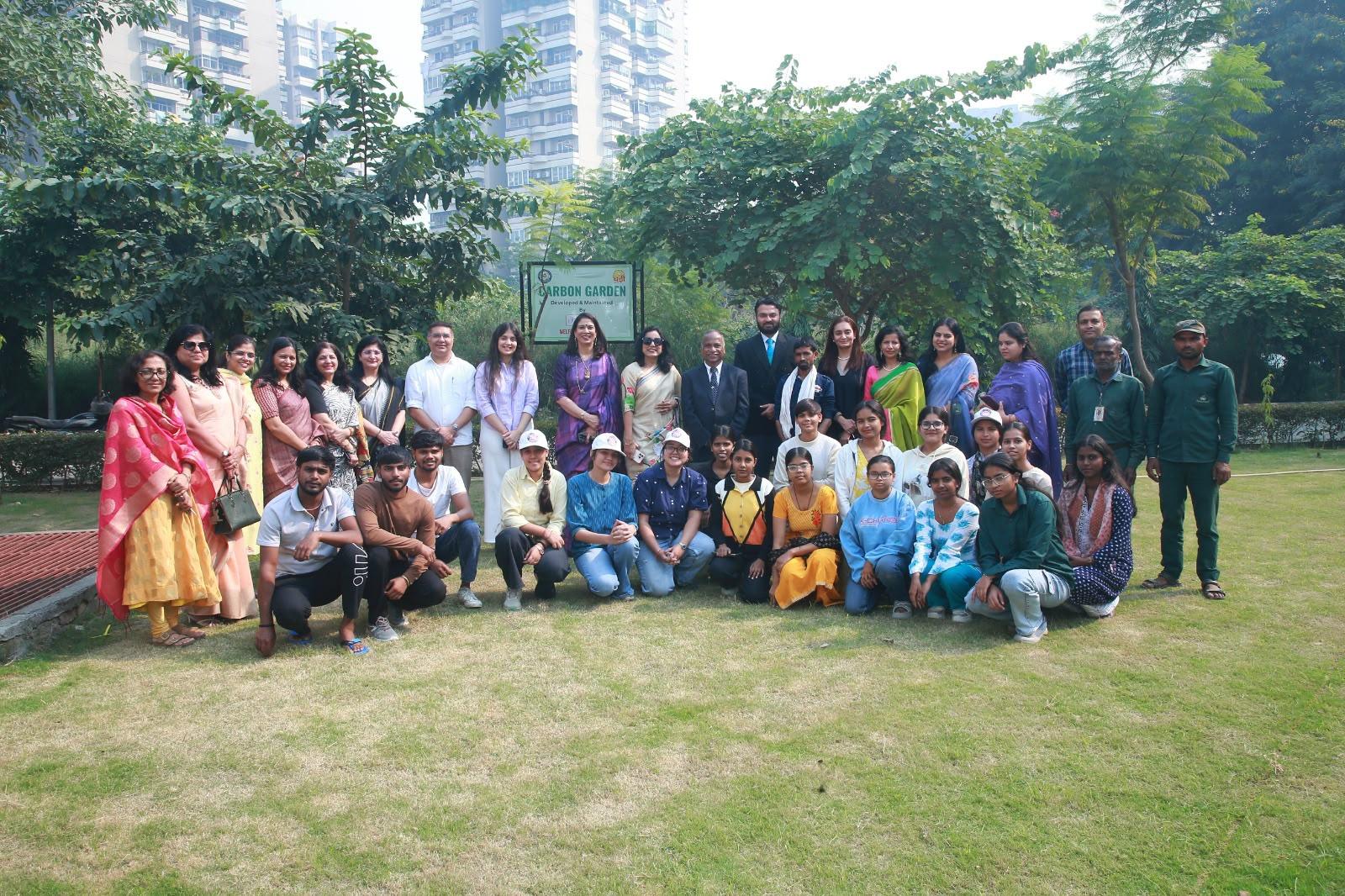



Developed by RSPL Welfare Foundation in collaboration with Government Girls College, Sector 52, the 2,000 sq. ft. green space features 54 varieties of herbal and flowering plants to advance biodiversity, environmental learning and urban sustainability.
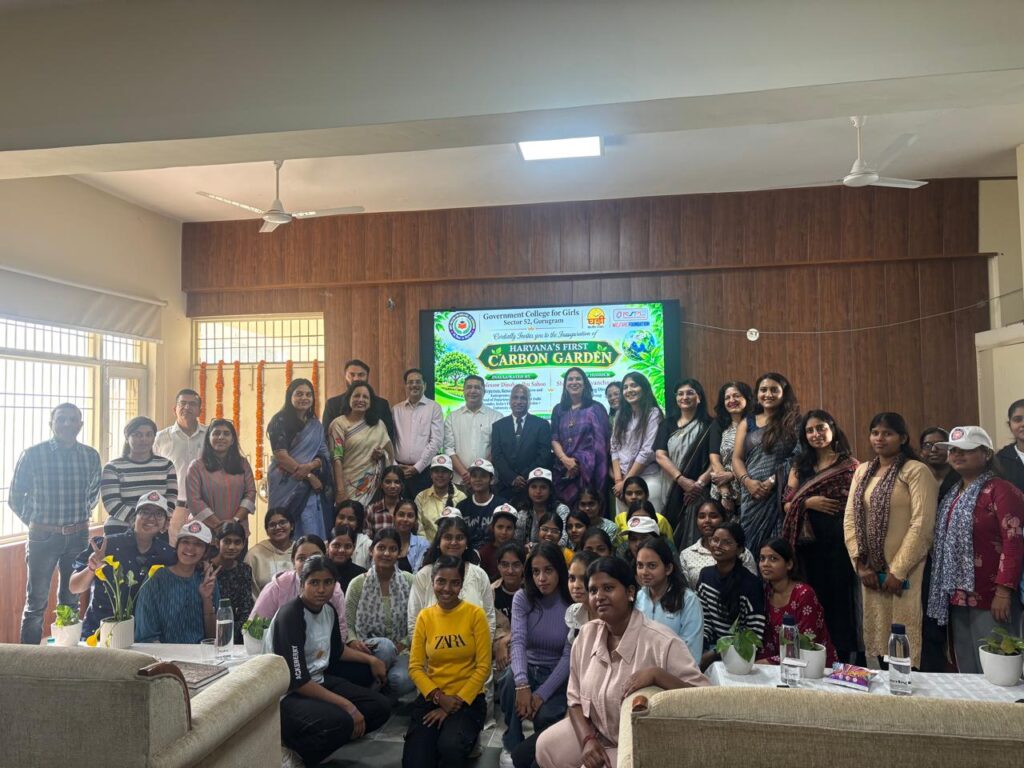
NEW DELHI (India CSR): Haryana’s first Carbon Garden was inaugurated at Government Girls College, Sector 52, Gurugram, marking a significant step towards strengthening urban green cover and environmental awareness among young people. Developed by RSPL Welfare Foundation, the CSR arm of RSPL Group, in collaboration with the college, the initiative transforms approximately 2,000 sq. ft. of campus space into a living ecological learning zone. The garden features around 54 varieties of herbal and flowering plants, selected according to local climatic conditions and recommendations from the college’s Botany faculty. The initiative is designed to bring sustainability closer to students by creating a space where ecological concepts can be observed, discussed and experienced beyond the classroom. It also demonstrates how institutional campuses can become meaningful sites for environmental action.
Ecology Meets Education
A Carbon Garden is a purpose-designed green space that combines diverse plant species to support carbon capture, biodiversity and awareness of ecological systems. The Gurugram initiative draws inspiration from the Carbon Garden model developed at the University of Delhi, where India’s first Carbon Garden was established in September 2026. While the garden adds to the college’s green cover, its value extends beyond plantation. The high-density and diverse planting approach is intended to support soil health, moisture retention, micro-habitats and local biodiversity. It will also serve as an outdoor learning platform for students, faculty and visitors. Each plant variety carries an educational nameplate featuring its common and botanical name, helping students connect scientific knowledge with the living environment around them and encouraging curiosity about local plant species, ecology and conservation practices.

Leadership Marks Milestone
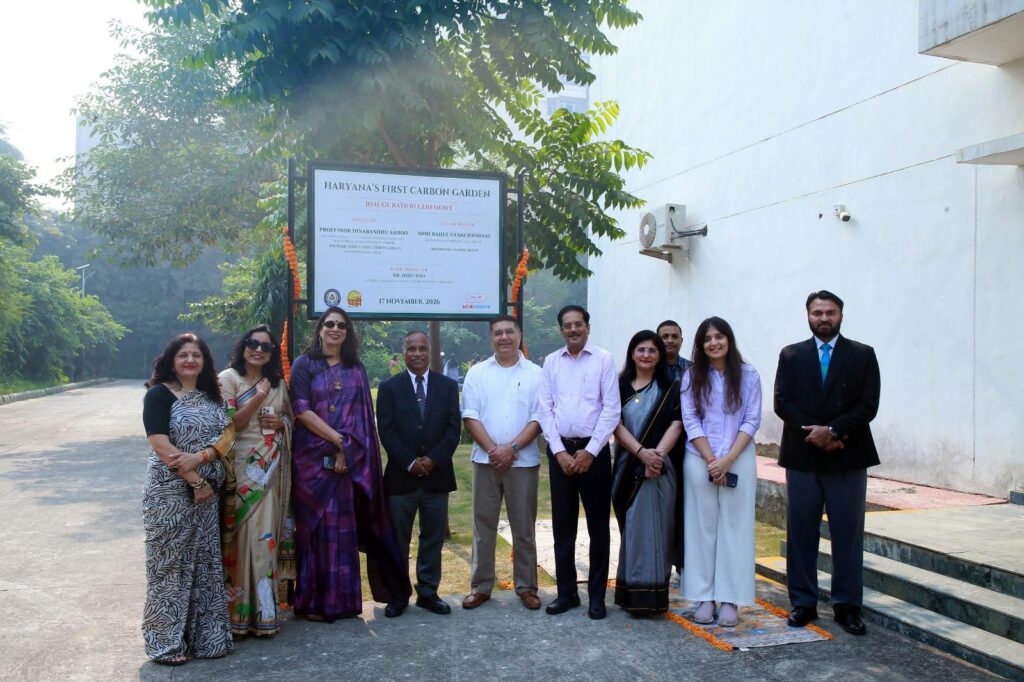
The inauguration ceremony was graced by Professor Dinabandhu Sahoo, Chairperson of the Research, Innovation and Entrepreneurship Council and Head of Department at the University of Delhi. Prof. Sahoo, who founded India’s first Carbon Garden, attended the event as Chief Guest. Rahul Gyanchandani, Joint Managing Director, RSPL Group, was the Guest of Honour. The event was also attended by Sushil Kumar Bajpai, Director – Financial and Corporate Affairs, RSPL Group, alongside senior dignitaries, faculty members and students. Indu Rao, Principal, Government Girls College, Sector 52, welcomed the guests and acknowledged the opportunity that the Carbon Garden will create for students to engage with sustainability through practical learning. The gathering reflected the importance of collaboration between academic institutions, corporates and subject experts in creating locally relevant environmental solutions.
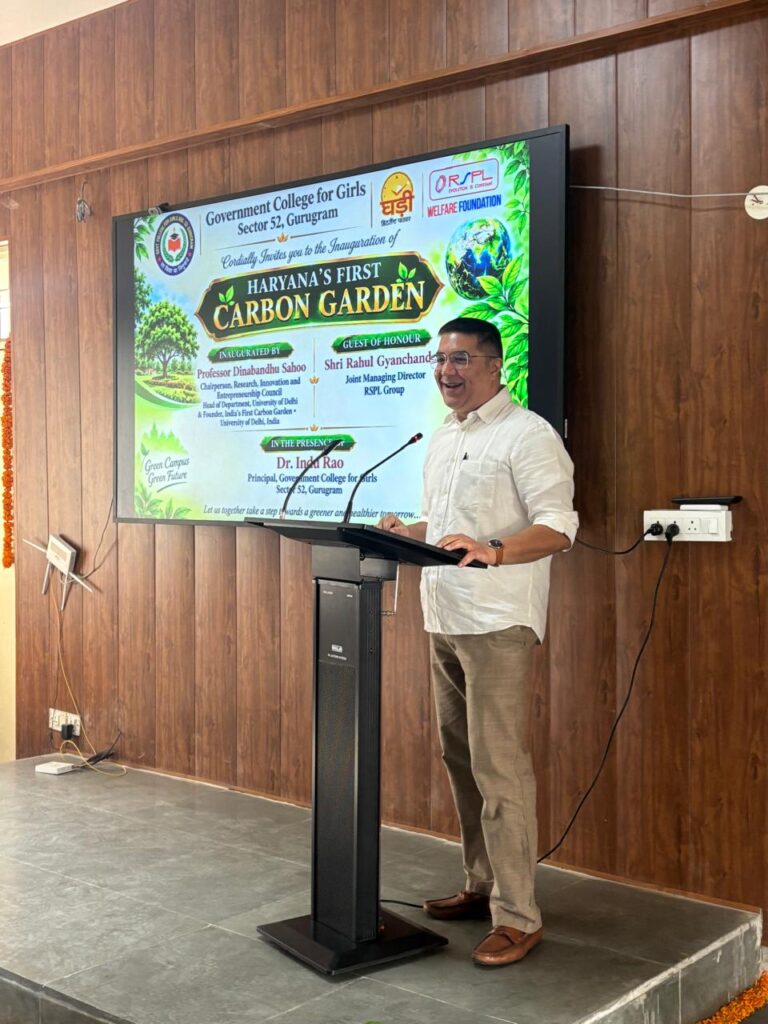
“Our collaboration with Government Girls College, Gurugram, reflects our commitment to supporting practical, locally relevant initiatives that contribute to a greener future.” – Rahul Gyanchandani, Joint Managing Director, RSPL Group
Corporate Action Matters
Speaking on the initiative, Rahul Gyanchandani, Joint Managing Director, RSPL Group, said, “Environmental sustainability requires sustained commitment and meaningful action, particularly as our cities and communities navigate growing ecological challenges.” He added that RSPL Welfare Foundation sees Carbon Gardens as an opportunity to bring environmental action closer to communities while creating avenues for learning and participation. “Our collaboration with Government Girls College, Gurugram, reflects our commitment to supporting practical, locally relevant initiatives that contribute to a greener future,” he said. “We hope this initiative inspires students to understand their role in protecting the environment and encourages similar efforts across other institutions and communities.” The initiative reflects a growing CSR focus on creating assets that combine environmental benefits with community participation, learning and longer-term behavioural change among young citizens.
Science Shapes Learning
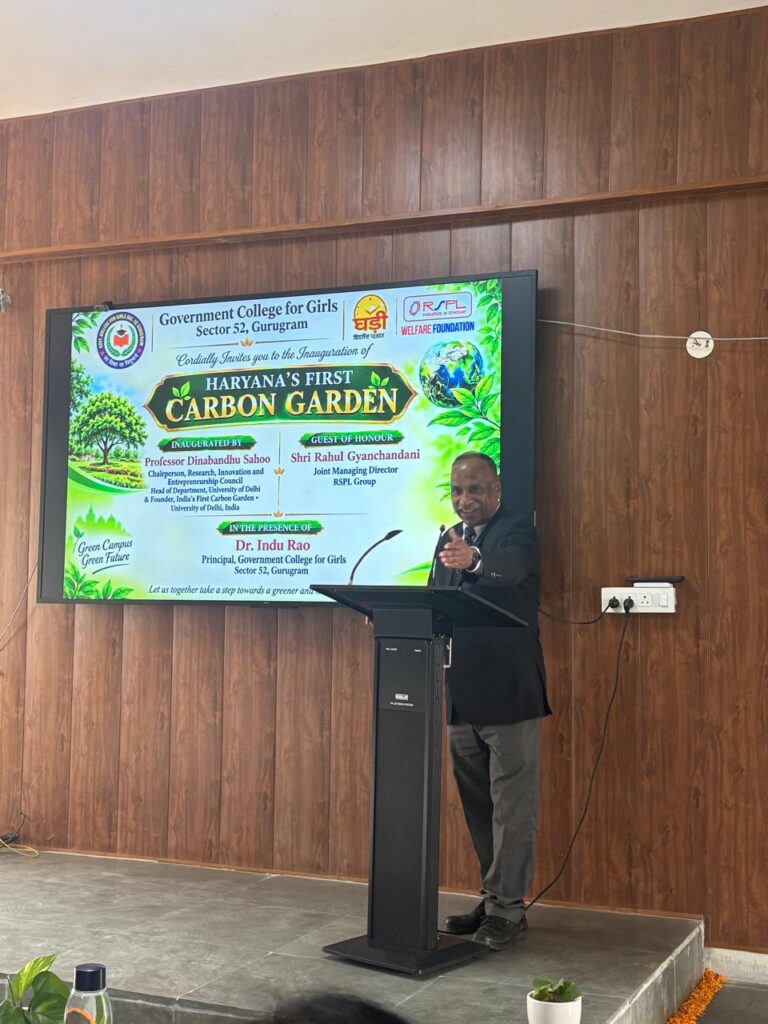
Highlighting the ecological relevance of the initiative, Prof. Dinabandhu Sahoo said, “Carbon Gardens offer an opportunity to translate environmental awareness into practical action by demonstrating the role that thoughtfully designed green spaces can play in supporting biodiversity and carbon capture.” He welcomed RSPL Welfare Foundation’s collaboration with Government Girls College, Gurugram, noting that such partnerships can help students engage with ecological concepts first-hand. The garden is expected to make scientific learning more tangible by allowing students to observe the characteristics, uses and growth patterns of different plant varieties. Its focus on herbal and flowering plants can also encourage discussions around pollinators, soil health, water conservation, climate resilience and the relationship between biodiversity and healthy ecosystems. In this way, the Carbon Garden becomes both a green asset and a continuing learning resource.
Growing Green Futures
The garden’s key focus areas include carbon sequestration, urban green-cover enhancement, biodiversity, soil enrichment and environmental education. Its diverse planting is intended to support the capture and storage of atmospheric carbon dioxide while contributing to a healthier campus ecosystem. Importantly, the initiative offers a replicable model for schools, colleges, communities and organisations seeking to create meaningful green spaces within limited urban land. Rather than treating plantation as a one-time activity, the Carbon Garden integrates education, biodiversity and stewardship into the design of the space. Through the project, RSPL Welfare Foundation aims to encourage young people to become more aware of their relationship with the environment and their responsibility towards its protection. The initiative demonstrates how thoughtful collaboration can turn a campus corner into a practical symbol of sustainability and shared ecological responsibility.