

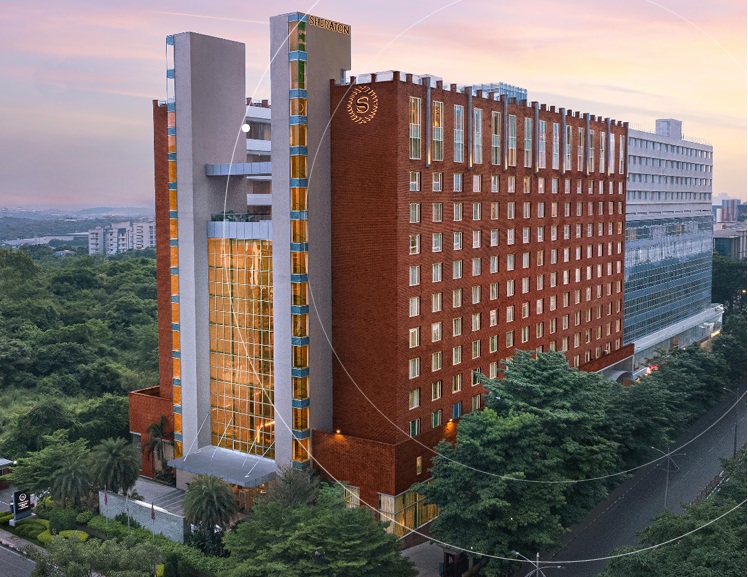


Company reports a 10.6% reduction in energy intensity, 13.3% decline in emissions intensity and renewable power sourcing across 39% of its hotel portfolio.
NEW DELHI (India CSR): SAMHI Hotels Limited has released its first standalone Sustainability Report for FY2025-26, setting out its approach to responsible hospitality across energy, renewable power, water conservation, waste reduction and community development. The report accompanies the company’s latest quarterly performance update and covers 31 hotels with 4,899 rooms across 11 states. It presents its framework for integrating environmental performance with operating discipline and social value. SAMHI said the report reflects work already undertaken to manage resources more efficiently and create positive outcomes for communities. It also signals the company’s intent to build quantified sustainability targets, establish clear baselines and benchmark progress against its FY30 commitments. The disclosure offers stakeholders a clearer view of how operational growth and responsible hospitality are being pursued together at scale over time.
Efficiency Drives Progress
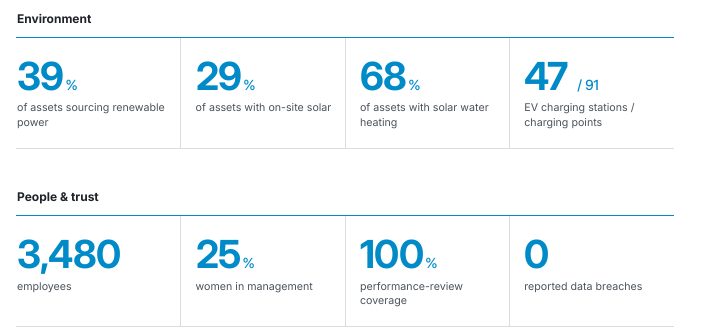
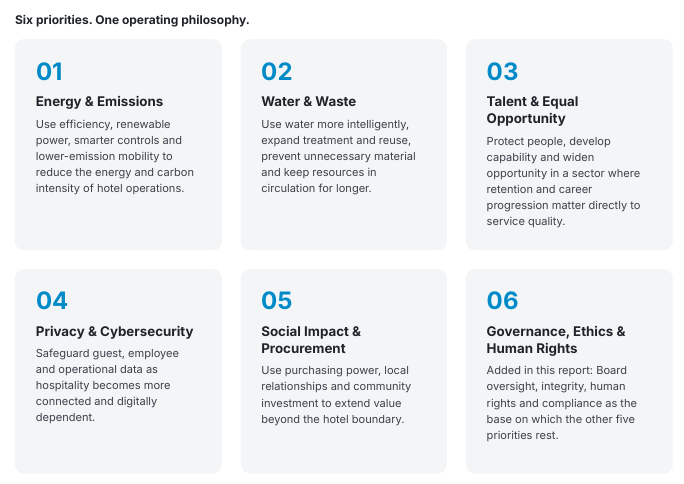
Among the report’s key environmental outcomes, SAMHI recorded a 10.6% reduction in energy intensity and a 13.3% reduction in Scope 1 and Scope 2 emissions intensity. Renewable power was sourced across 39% of the hotel portfolio, showing progress in reducing the environmental footprint of operations. The company’s approach is especially relevant to hospitality, where energy demand, water use and waste management are closely linked to guest experience and property-level performance. By bringing efficiency measures and renewable energy sourcing into its sustainability strategy, SAMHI has signalled that resource stewardship is a business priority rather than a separate initiative. The report also references waste reduction, water conservation and community development as important areas of responsible hospitality. Together, these actions position sustainability as a continuing operational agenda for the company across its portfolio.
Water Builds Resilience
Water conservation remains a central part of SAMHI’s responsible resource management agenda, as hotels depend on reliable water availability while operating in local contexts. The Sustainability Report positions water, energy and waste as interlinked areas requiring improvement at property level. Alongside environmental priorities, the company has highlighted community development as part of its social impact approach. This brings a people dimension to responsible hospitality, recognising that hotels function within cities, neighbourhoods and local economies. Sustainability therefore cannot be considered only through consumption metrics; it must also consider how operational practices, employment, partnerships and community engagement contribute to shared value. The report provides a foundation for SAMHI to track these dimensions more consistently as it expands its portfolio, while helping investors, employees, guests and local stakeholders understand the company’s responsibility agenda.
Growth Supports Resilience
SAMHI’s sustainability disclosure was released alongside Q2 FY27 results that showed continued operating momentum. On a same-store basis, RevPAR rose 14.3% year-on-year, supported by 9.2% ARR growth and occupancy of 78.6%, compared with 75.0% in Q2 FY26. Total income increased 15.6% year-on-year to Rs. 3,427 million, while consolidated EBITDA rose 12.0% to Rs. 1,238 million. Comparable EBITDA growth was 21.3%, excluding the impact of the GST regulation change that did not affect the base period. The company reported free cash flow of Rs. 827 million and PAT, excluding exceptional items, of Rs. 372 million, up 136.9% year-on-year. These figures demonstrate that the company is combining demand-led growth with a push to strengthen operating efficiency, capital discipline and long-term sustainability across its hotel platform. Financial strength can help finance its sustainability agenda effectively over time.
Domestic Demand Leads
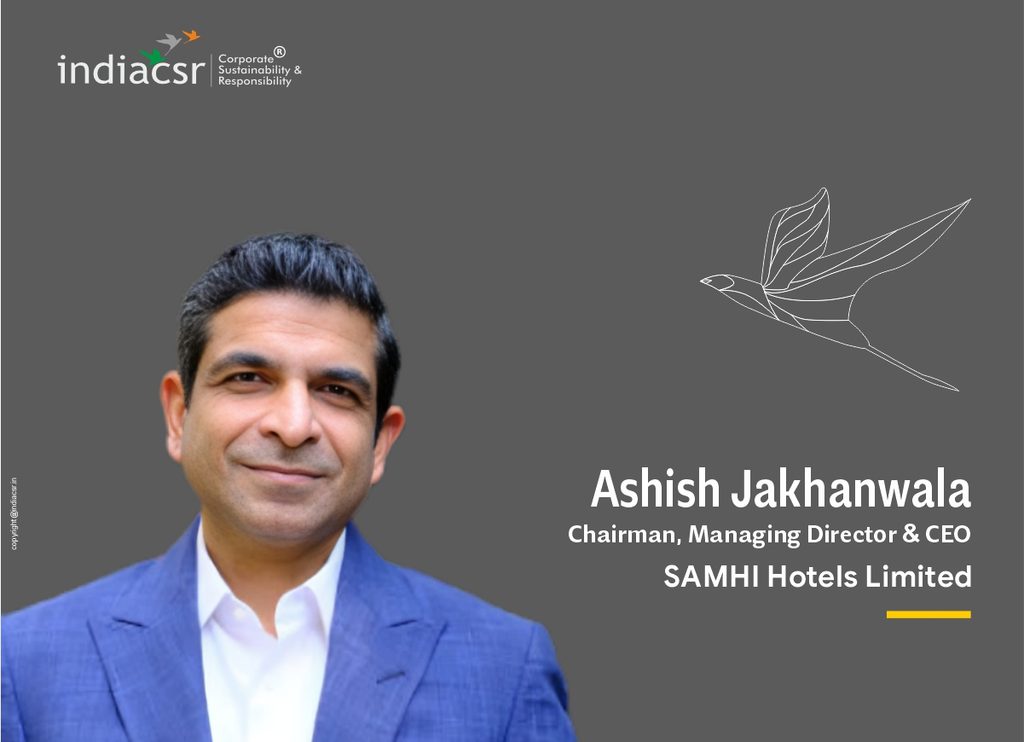
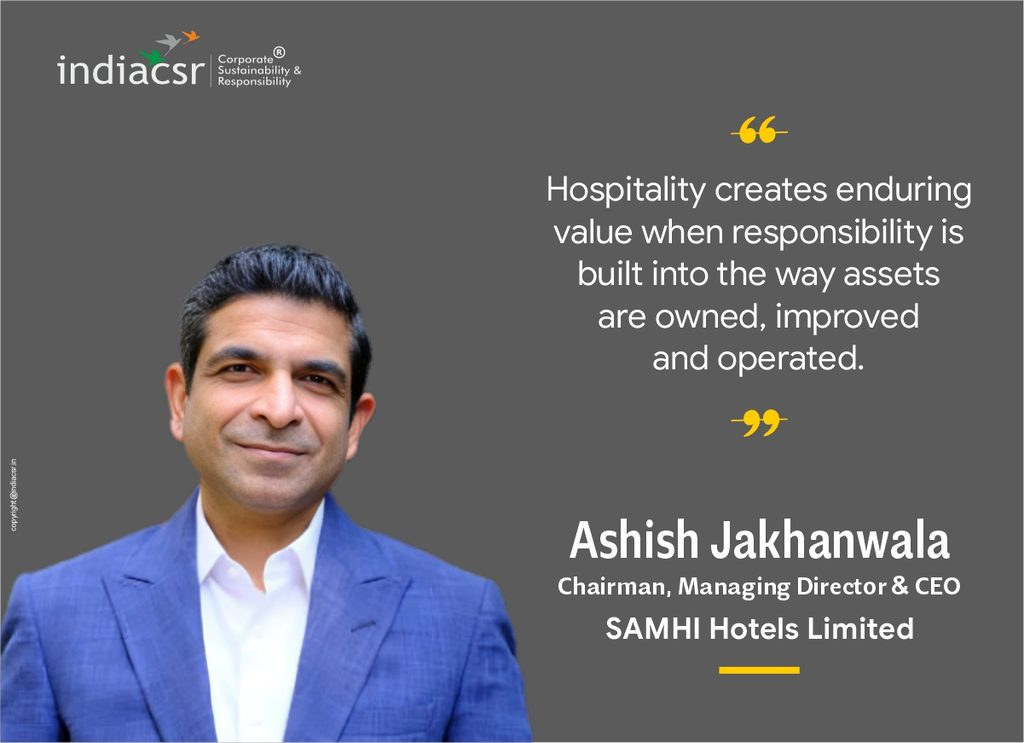
Commenting on the quarter, Ashish Jakhanwala, MD and CEO of SAMHI Hotels Ltd., said occupancy remained close to 80% and RevPAR increased by about 14%, making it a reassuring period for the business. He noted that revenue growth continued to exceed the company’s long-term guidance and that domestic travellers represented about 80% of room nights sold during the quarter. “This cohort has proven more resilient amid ongoing geopolitical instability, reinforcing our confidence in the resilience of the Indian economy and the opportunity it represents,” he said. The management commentary underscores the company’s confidence in domestic travel demand as a source of operating resilience. With occupancy at 78.6%, SAMHI has indicated that a broad domestic customer base can support hotel performance while the business continues to pursue growth and responsible operations.
Pipeline Signals Growth
Against this backdrop, SAMHI said it is building a growth pipeline in its core portfolio and through its investment in RARE India. The company expects to open W Hotel in Hyderabad in the next fiscal year and has secured a pipeline of approximately 1,700 new rooms through FY2031. Management said it is seeking to add assets only in core markets and at a discount to replacement cost, rather than pursuing expensive acquisitions. Its growth approach includes conversions, turnarounds and long-term leases, illustrated by projects in Bengaluru, Noida and Hyderabad. The company also said its investment in RARE, along with discussions about a partnership with Marriott, could support an experience-led leisure platform across the region with limited capital exposure. This planned expansion will proceed alongside SAMHI’s ongoing resource-efficiency and sustainability agenda.
Targets Strengthen Accountability
Looking ahead, SAMHI said it will build on its FY30 commitments by establishing quantified targets across key sustainability parameters, with clear baselines to track and benchmark progress. The first Sustainability Report is therefore both a record of current initiatives and a framework for more structured disclosure in the years ahead. Mr. Jakhanwala said the report highlights “improvements in energy efficiency, waste reduction and renewable energy usage.” He added that the company would develop measurable targets to make progress easier to monitor. This focus on baselines and benchmarks is important for stakeholders seeking consistent evidence of environmental and social performance. As SAMHI grows its portfolio, the ability to measure resource use, emissions, renewable sourcing and community outcomes will help determine the depth and credibility of its responsible hospitality strategy over time.

Discipline Sustains Value
SAMHI’s financial update also pointed to continuing balance-sheet discipline. Net debt stood at Rs. 14,579 million on 30 September 2026, while net debt to EBITDA remained at approximately 3.1 times; adjusted for growth capital, the ratio was about 2.2 times. The effective interest rate was 7.8%, around 300 basis points lower than at the time of the company’s initial public offering. Management expects the second half of FY27 to be operationally stronger, with incremental EBITDA increasingly translating into free cash flow while interest outflows remain stable. This, it said, should support future investments through internal cash generation. Taken together, the sustainability report and quarterly results show SAMHI seeking to align hotel expansion, resource efficiency, community responsibility and financial discipline in a responsible hospitality model designed for long-term value creation in India.



