

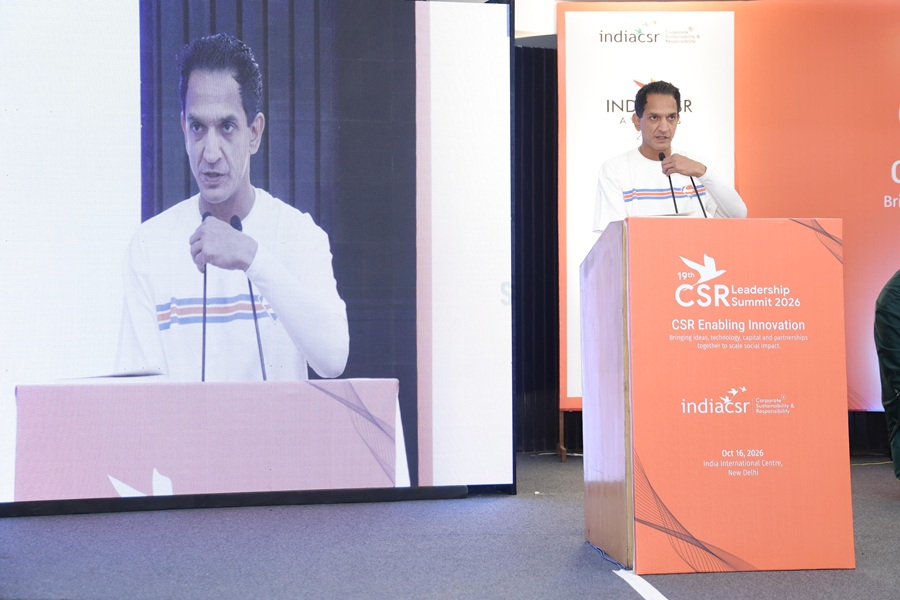


At the India CSR Summit, Ranjit Bajaj, Founder and Director of Minerva Academy Football Club, says India needs stronger local platforms, scholarship-led academies and sustained support for young athletes beyond established sporting centres.
NEW DELHI (India CSR): India’s football talent remains concentrated in a small number of districts, despite the country’s population of more than 1.5 billion, said Ranjit Bajaj, Founder and Director of Minerva Academy Football Club. Addressing the 19th India CSR Summit 2026, Bajaj said 86 per cent of the playing minutes in the Indian national team, Indian Super League and I-League come from just 23 districts. Those districts, he said, represent only 5.3 per cent of India’s population but have supplied much of the country’s football talent for three decades. The statistic, as cited by Bajaj, raises a larger question about access to sport. India may have talent across its districts, villages and urban communities, but training, coaching, facilities and competitive opportunities are not evenly available. He said the country must build sporting platforms that identify and nurture young players far beyond its traditional football centres.
Platform Before Potential
Children begin playing a sport because they enjoy it, Bajaj said, but a lack of opportunity can change the course of their sporting journey. A child who cannot access coaching, facilities or a competition platform may move towards another activity that provides a clearer future. “If a kid does not have a platform to perform, he will join the sport which gives him a platform,” Bajaj said. He referred to Leander Paes, who began as a football winger before pursuing tennis, to illustrate how sporting pathways can change when opportunities are absent. The point was not about one sport being superior to another. It was about ensuring that children can pursue the sport they love without geography, income or local infrastructure deciding their future. Bajaj argued that India needs systems that allow young players to remain in sport long enough for their talent, discipline and potential to develop.
***
History Explains Decline
India’s past sporting achievements show that the country can compete at high levels when talent is supported by strong systems, Bajaj said. He referred to Indian football’s earlier Asian Games success, including a victory over South Korea in the final, and the country’s fourth-place finish at the Olympic Games. Hockey, too, had once dominated globally before the demands of international sport changed. Bajaj said the transition from a skill-led game to a sports-science and athlete-centred environment widened the gap between India and leading sporting nations. Nutrition, fitness, medical care, facilities and sports science became decisive factors, but many Indian families could not afford even basic necessities. “It does not happen automatically that till the 1960s and 1970s we were winning golds, and then in the 1980s and 1990s we stopped performing,” he said. The decline, he argued, reflected insufficient investment in athlete ecosystems.
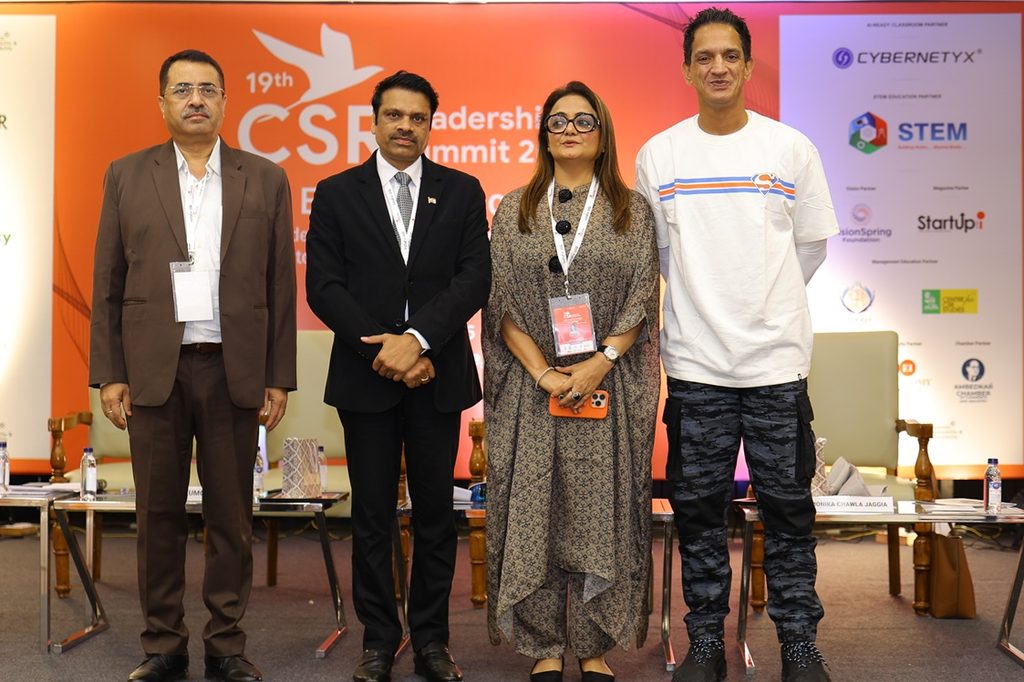
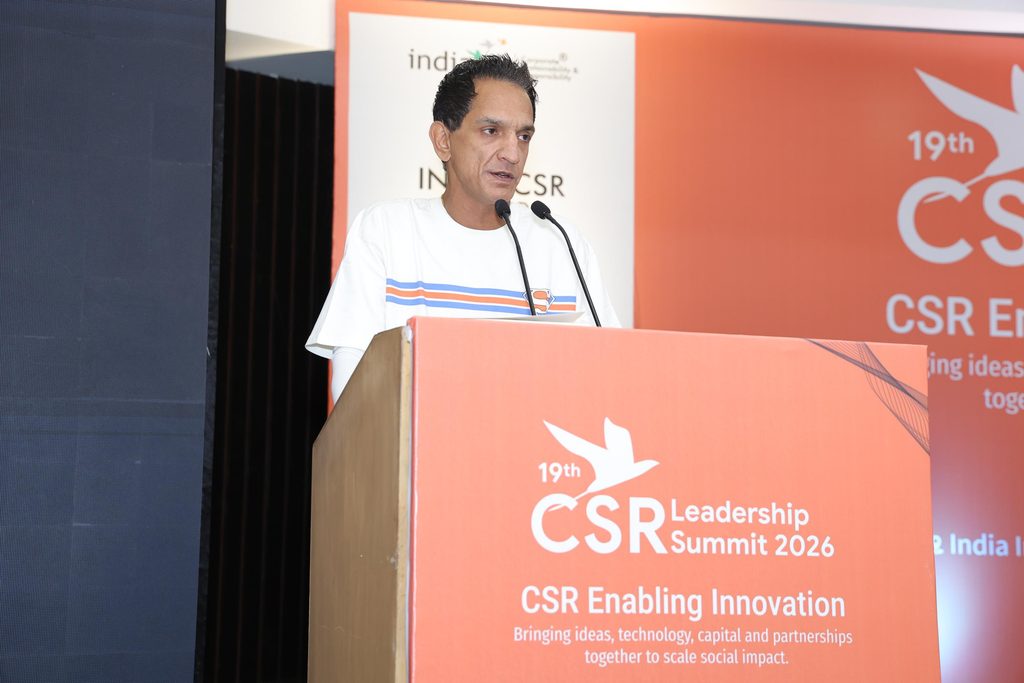
Minerva Academy Founder Ranjit Bajaj calls for stronger grassroots football, scholarships, sports access and CSR investment in young athletes.
***
Odisha Changes Hockey
Bajaj described Odisha’s support for hockey as an example of how sustained state-level investment can revive a sport. He said the state’s decision to take ownership of hockey created a broader platform for athletes, particularly those from tribal and rural communities. “In hockey now the resurgence has come because of one state, Odisha, because it took it on itself,” he said. He referred to sporting infrastructure and said that the impact could be seen in the composition of India’s women’s Olympic bronze-medal-winning hockey team, with several players coming from Odisha, Jharkhand and tribal regions. The example, he suggested, demonstrates that sporting success need not remain concentrated in major cities or affluent districts. When infrastructure, coaching, opportunity and institutional support reach communities that have traditionally been underserved, athletes can emerge at the national and international levels. Bajaj said India needs similar long-term commitments across more sports and geographies.
***
Tribal Talent Emerges
For Bajaj, talent is not scarce; access is. He said India’s tribal, rural and low-income communities hold immense sporting potential that often goes unnoticed because children lack platforms to train and compete. “Talent is there. Talent is like a tree. You have to give water to a plant, then it will become a tree,” he said. His metaphor captured the case for early-stage investment. Young athletes need nutrition, education, equipment, coaching, safe accommodation, medical support and exposure to competitive environments. Without these, natural ability may never mature into performance. Bajaj said sporting programmes should not wait until a child has already achieved recognition before offering support. Instead, academies, governments, corporates and CSR foundations should work together to build systems that identify potential early. Such a model can expand sporting opportunity while also contributing to education, confidence, discipline, health and social mobility for young people.
***
Minerva Builds Pathways
Minerva Academy Football Club has built its football-development model around structured training and comprehensive athlete support. Its 10-acre campus in Mohali, Punjab, includes two full-sized natural grass pitches maintained to professional standards, FIFA-standard playing surfaces and a High-Performance Centre. The academy provides a setting where young players can access a professional training environment at a formative stage of their lives. Bajaj’s address linked this infrastructure with a larger development mission: creating a pathway for talented children who might otherwise be excluded by financial limitations. The academy’s approach combines football training with education, accommodation, food and medical support for scholarship players. Such facilities are important because the journey from grassroots football to elite competition requires more than a pitch. Athletes need regular coaching, physical conditioning, recovery systems, match exposure and a stable environment. Minerva’s model seeks to bring these elements together within one development ecosystem.
***
National Success Achieved
Minerva Academy’s record has given Bajaj’s appeal for grassroots investment additional weight. The club won the 2017–18 I-League title, competed in the AFC Cup and participated in the 2019 AFC Champions League play-offs. It also won the Hero Futsal Club Championship in 2022–23. At the youth level, the academy has achieved a notable international record, becoming the first Indian team to win the Gothia Cup in Sweden, Dana Cup in Denmark and Norway Cup in Norway in the same year. The academy has also registered success at the Helsinki Cup. These results reflect the value of sustained youth development and international exposure. They also indicate that Indian players can compete successfully when they are given structured training and opportunities to play against high-quality opposition. Bajaj said the purpose of football development must now move beyond isolated success and towards building a much larger national base of competitive players.
***
One Goal Changed
Bajaj said his personal outlook changed during the Under-17 World Cup hosted by India in 2018. India entered the tournament as hosts, and Jackson Singh, described by Bajaj as a Minerva player, scored the country’s first and only goal in a FIFA World Cup competition. The goal, he said, had a different meaning from club trophies and youth-tournament victories. “The amount of happiness I got with that one goal was not only me, it was 1.5 billion people happy,” Bajaj said. He noted that Minerva had won 22 national titles, 12 international titles and three World Youth Cups, but the national significance of that one goal shaped his mission after 2020. His focus, he said, became helping India build a stronger football future. The academy already serves as a feeder for Indian Super League clubs and has produced national-team and international players, demonstrating how grassroots development can contribute to the wider football ecosystem.
***
Scholarships Sustain Dreams
Bajaj said Minerva supports 250 children between the ages of seven and 18 through a 100 per cent scholarship model. The support includes football coaching, food, schooling, accommodation and medical care. Such a framework seeks to remove the barriers that commonly force talented children to leave sport. For many families, the costs of equipment, travel, nutrition, education and boarding can make organised sport impossible, even where a child shows strong ability. Bajaj said the academy does not receive government, federation or corporate support for the scholarship programme. Its paid programme helps generate resources that are redirected towards the young scholars. “If I have been able to be junior world champion three times in the last five years without support, imagine what we can do with support. Sky is the limit,” he said. The appeal was directed at CSR leaders and corporate India to support credible grassroots sports models.
***
Funding Gap Persists
The funding challenge, Bajaj argued, is not confined to one academy. Grassroots sports organisations across India may have strong coaches, committed founders and talented children but lack the predictable resources needed to sustain long-term development. Corporate support often moves towards athletes who are already successful, highly visible or commercially marketable. However, the greatest need may be at the beginning of the journey, when a child requires food, education, coaching and the confidence to continue. Bajaj said that supporting grassroots sport is also a social investment because it can create opportunities for children from diverse social and economic backgrounds. It can help young people remain connected to education while learning discipline, teamwork and resilience. For CSR, sport therefore offers a broader development proposition. The outcomes may include athletic achievement, but they can also include better health, reduced exclusion, life skills and pathways to education and employment for young people.
***
Rewarding Future Talent
Bajaj questioned the tendency to reward athletes only after they have become successful. Referring to young cricketer Vaibhav Suryavanshi, he said a large financial gift was announced after the player had secured a commercially valuable contract. Bajaj suggested that similar funds could be used to create a dedicated support mechanism for future athletes who have potential but lack resources. “A Vaibhav Suryavanshi fund” could help identify and assist young players at an earlier stage, he said. The point was not to diminish individual achievement, but to widen the definition of sporting support. Athletes often need assistance years before they become visible to the public. A scholarship, travel grant, nutrition programme or access to high-quality coaching can determine whether a promising young player continues in sport. Bajaj’s argument was that India must invest in potential, not merely celebrate success after it has arrived.
***
Sports Teaches Resilience
The address also focused on the role of sport in children’s social and emotional development. Bajaj said sport should be recognised as a fundamental right because it teaches young people how to lose, recover and continue. “Sports teaches you how to lose—forget winning,” he said. Children learn discipline, loyalty, teamwork, social adaptation and perseverance through participation, whether or not they become professional athletes. Bajaj expressed concern that children are increasingly pushed towards academics at the cost of play. While education remains essential, he said, young people do not learn every life skill from books. Playing team sports helps them interact with people from different backgrounds, manage setbacks and understand that failure is part of growth. The argument broadens the case for sport beyond medals and careers. Access to play can support mental well-being, physical fitness and confidence, making it an important component of education and child development.
***
Football Remains Accessible
Football can play a significant role in widening sporting participation because it remains one of the most accessible team sports, Bajaj said. “The easiest team sport to play, which is known as the poor man’s game, is football because all you need is one ball,” he said. In many communities, goalposts can be improvised and games can be organised with very limited resources. Yet informal play must be connected with formal opportunities if talented players are to progress. This is where academies, schools, local clubs, municipal bodies and corporate partners become important. They can create safe spaces, organise competitions, train coaches and provide scholarships for children who show promise. Bajaj’s vision is not limited to elite football. It is about making sport part of daily life for young people across India. A wider base of participation can improve public health while also increasing the pool from which future national players emerge.
Health Drives Growth
Bajaj linked widespread sports participation with India’s health and economic future. He argued that reducing lifestyle diseases such as diabetes, cancer and related health conditions could improve national productivity and economic performance. He cited an estimate that a 25 per cent reduction in such diseases could raise GDP by 3 per cent. While public-health outcomes depend on several factors, his wider point was that fitness cannot be viewed only as a personal matter. A healthier population can reduce healthcare burdens, improve workforce participation and strengthen community well-being. Sports, physical activity and active childhoods can contribute to this objective. The speaker said India must consider the health impact of making sport more accessible in schools, neighbourhoods and villages. Corporate social responsibility can support this agenda through community sports facilities, school programmes, women’s participation, coaching, nutrition and local leagues, helping link youth development with preventive health and inclusive growth.
***
Olympic Ambition Awaits
India’s limited Olympic-medal tally, despite being one of the world’s largest economies, was another concern raised by Bajaj. He said India is the only major economy among the world’s top economic powers to have won fewer than 100 Olympic medals, while other leading nations have accumulated far greater totals. “It is not that we cannot do it. We can. We have never really tried to,” he said. The speaker argued that medal success cannot be created through one-time rewards or tournament-time attention. It requires a long-term sporting system beginning with school participation and district-level competitions, followed by talent identification, coaching, nutrition, sports science, medical care and financial support. Minerva’s football-development model illustrates one possible pathway, but Bajaj’s larger appeal extended to all sports. India, he said, has the people, energy and potential; what it needs is the sustained national will to build athlete-development systems at scale.
***
Collective Action Needed
Bajaj called for a collective effort involving governments, federations, schools, corporations, community organisations and families. State support can create robust sporting ecosystems, as Odisha’s hockey experience illustrates. Academies such as Minerva can provide high-performance environments, scholarships and professional coaching. Corporate India and CSR foundations can help bridge the crucial financing gap, especially for programmes reaching children from underserved communities. Schools can protect time for physical activity and team sport, while local institutions can create accessible fields and competitions. The speaker said that meaningful transformation will not happen overnight, but it can happen if stakeholders stop treating sport as an optional activity. His appeal was for a more inclusive sports culture—one that values participation as much as achievement, invests in children before they become stars and recognises that sporting opportunity is tied to health, education, social mobility and national confidence.
***
Future Needs Platforms
Bajaj concluded with a call to support not only Minerva’s football mission but also the aspirations of millions of young Indians. “The moment we all Indians put our things together and we actually go for it, we Indians can be world champions in sports as much as in business, as much as in anything else,” he said. For Minerva Academy, that mission begins with its Mohali campus, scholarship players and sustained youth-development work. For India, it requires a wider commitment to platforms that allow every child to play, learn and compete. The speaker’s message to CSR leaders was clear: investment in grassroots sport can create outcomes that extend well beyond the field. It can build healthier communities, stronger young people, educational pathways and future champions. India’s sporting future will depend not on a lack of talent, but on whether the country chooses to nurture that talent consistently.
Also Read
“CSR Is Not Just Social Work”: Leena Deshpande, Bharat Forge Calls for Transformational Impact
IIC Director K. N. Shrivastava Calls for CSR-Led R&D, Inclusive Innovation at India CSR Summit
Value Beyond Business: LT Foods’ Monika Chawla Jaggia Addresses India CSR Summit
HOPE Foundation Wins India CSR Award for Integrated Cradle-to-Career Model – India CSR
LT Foods Awarded ‘Certificate of Honour’ at India CSR Awards for Sustainability Report 2024–25
HOPE Foundation Wins India CSR Award for Integrated Cradle-to-Career Model



