


The company’s FY 2025-26 CSR programmes supported education, rural healthcare, skilling, water conservation and village infrastructure.
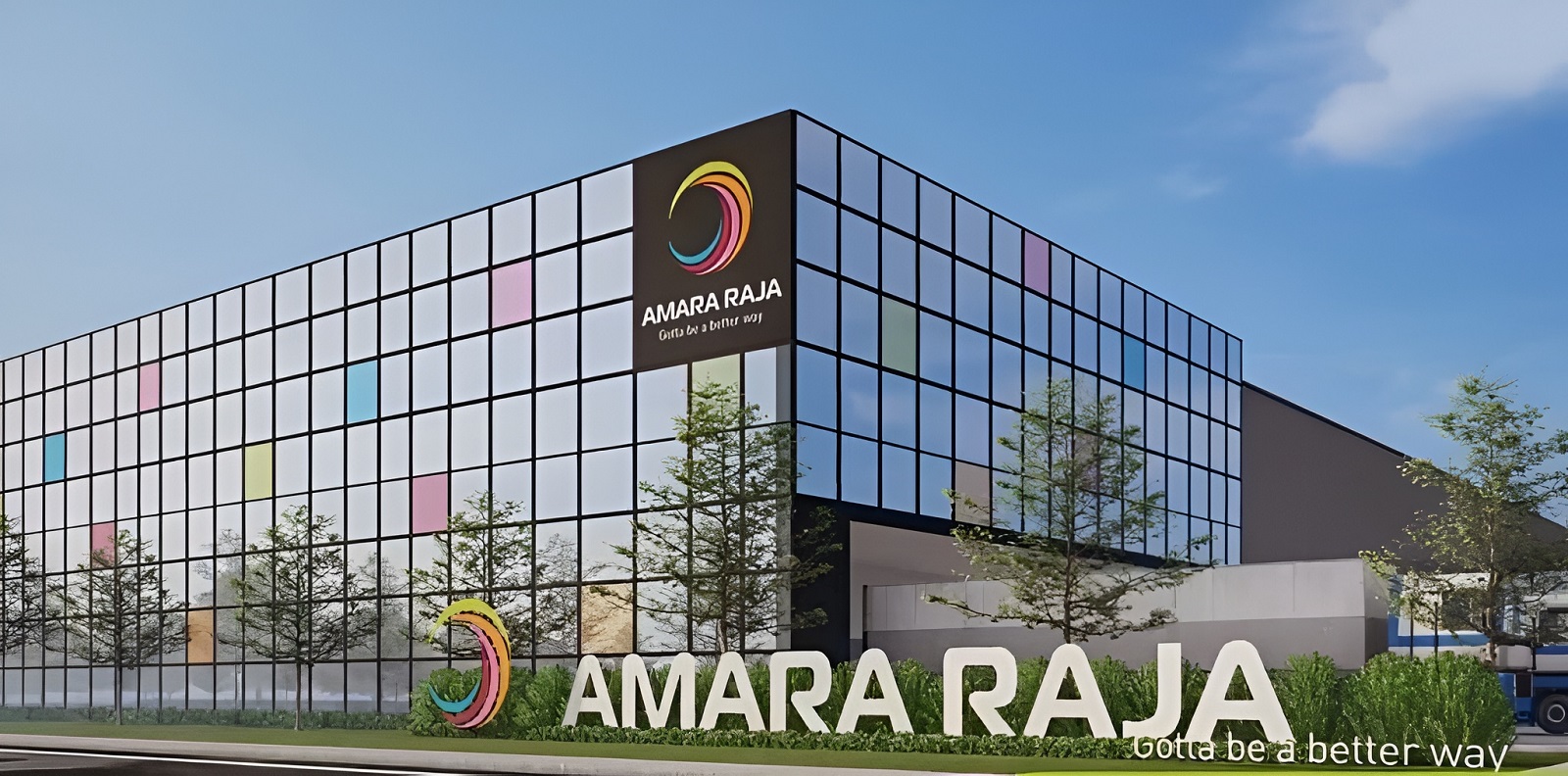
NEW DELHI (India CSR): Amara Raja Energy & Mobility Limited, a manufacturer of energy storage products and mobility solutions, spent its full Corporate Social Responsibility (CSR) obligation of Rs 22.70 crore in FY 2025-26 on education, healthcare, skill development, environmental protection and rural infrastructure, primarily benefiting communities in Andhra Pradesh, according to the company’s CSR disclosures.
The initiatives included educational support for more than 5,035 students, healthcare services across 81 villages and skill training for 720 rural youth. The company also reported investments in school infrastructure, transport facilities, water management, social forestry and public amenities.
Amara Raja Energy & Mobility said no amount from its prescribed CSR obligation remained unspent at the end of the financial year.
The company’s community programmes were implemented directly and through organisations including the Rajanna Foundation. Its projects were concentrated around rural communities in Chittoor and Tirupati districts, where access to education, healthcare, vocational training and public infrastructure remains an important development need.
CSR Spending
Amara Raja Energy & Mobility reported an average net profit of Rs 1,135.12 crore for calculating its CSR obligation under Section 135 of the Companies Act, 2013.
Based on the statutory requirement to spend 2% of the average net profit of the three preceding financial years, the company’s prescribed CSR obligation for FY 2025-26 stood at Rs 22.70 crore.
The company reported that the entire amount was spent during the year, leaving no unspent balance. The source material does not indicate any amount transferred to an Unspent CSR Account for ongoing projects.
It also does not separately disclose administrative overheads, impact assessment expenditure, excess CSR spending carried forward or any set-off used from previous years. These figures should be checked against the signed annual report and statutory CSR annexure before publication as audited financial data.
Education received a major share of the CSR allocation, with significant expenditure directed towards expanding school infrastructure at the Diguvamagham Education Complex.
Table: Amara Raja Energy & Mobility CSR Spending FY26
| Particulars | Details |
|---|---|
| Company | Amara Raja Energy & Mobility Limited |
| Financial Year | FY 2025-26 |
| Business Sector | Energy storage and mobility solutions |
| Average Net Profit | Rs 1,135.12 crore |
| Prescribed CSR Obligation | Rs 22.70 crore |
| Actual CSR Spending | Rs 22.70 crore |
| Unspent Amount | Nil, according to the disclosure |
| Major Education Project | Diguvamagham school expansion |
| School Expansion Spending | Rs 8.56 crore |
| Water and Sewage Plant | Rs 2.26 crore |
| School Transport and Equipment | Rs 1.44 crore |
| Stormwater Drain | Rs 33 lakh |
| Students Enrolled | More than 5,035 |
| Villages Covered by Healthcare | 81 villages |
| Outpatients Treated | 17,241 |
| Laboratory Investigations | 14,482 |
| Youth Trained | 720 |
| Placement Rate | 79.2% |
| Women Reported Placed | 542 |
| Water Project Beneficiaries | 27,774 people |
| Saplings Planted During FY 2025-26 | 1,000 |
| Total Saplings Planted | 72,750 |
School Expansion
The company allocated Rs 8.56 crore for the construction and expansion of a high school and senior secondary school building at the Diguvamagham Education Complex.
The project involves a G+3 structure intended to expand access to CBSE-affiliated education for children from nearby rural areas. The disclosure describes many of the students as first-generation learners.
More than 5,035 students were enrolled across schools supported by the company. These institutions included Amara Raja Vidyalayam at Karakambadi and Diguvamagham, along with Mangal Vidyalayam at Petamitta.
ALSO READ | Aegis Logistics Allocates Rs 8.91 Crore for CSR Projects in Maharashtra and Gujarat
The schools form a central part of the company’s education-focused CSR programme. They aim to provide formal learning opportunities to children from communities located near the company’s operational areas.
The report also states that Class X and Class XII students at the supported rural institutions recorded a combined pass rate of 93%.
While the pass rate provides an academic performance indicator, the disclosure does not provide school-wise results, gender-wise enrolment, student retention data or comparisons with previous years.
Campus Facilities
Apart from classroom expansion, the company invested in sanitation, water management and student transport facilities at the Diguvamagham Education Complex.
An amount of Rs 2.26 crore was spent on a sewage and water treatment plant. The project was intended to improve sanitation and water management within the educational campus.
A further Rs 33 lakh was allocated for a stormwater drain. Such infrastructure can help reduce waterlogging and improve safety and hygiene during periods of heavy rainfall.
The company also spent Rs 1.44 crore on school buses and office equipment. The transport support was designed to help students who travel more than five kilometres to reach school.
School transport can play an important role in improving attendance and reducing travel-related barriers for children in dispersed rural settlements. However, the disclosure does not state how many buses were purchased, the routes covered or the number of students using the service.
Combined, the school building, sewage and water treatment system, stormwater drain, buses and office equipment accounted for Rs 12.59 crore of reported expenditure.
These investments show that education-related infrastructure formed a major part of the company’s CSR programme during FY 2025-26.
Rural Healthcare
Amara Raja Energy & Mobility’s healthcare interventions reached an estimated population of about 20,000 people across 81 villages in Chittoor and Tirupati districts.
The services were provided through the Rajanna Foundation, including the Rajanna Primary Health Centre and associated outreach programmes.
The healthcare facilities treated 17,241 outpatients during the financial year. Medical teams also conducted 14,482 laboratory investigations, according to the disclosure.
The programme focused on improving access to primary and preventive healthcare for people living in areas where travelling to urban hospitals may involve additional cost and time.
The company reported that all surveyed beneficiaries said the services had reduced the time required to access healthcare.
The claim is based on beneficiary feedback, but the source material does not state the survey size, sampling method or independent verification process. These details would help readers assess the evidence behind the reported outcome.
The disclosure also does not provide a project-wise healthcare expenditure figure, information on medical staff, disease categories, medicines distributed or patient referral arrangements.
ALSO READ | Neogen Chemicals CSR Spending Rises 6.4% to ₹1.37 Crore in FY26
Youth Skilling
The Amara Raja Skill Development Centre trained 720 rural youth during FY 2025-26.
The centres offered vocational and apprenticeship-based programmes in areas including construction, electronics and multi-skilled technician training.
A new skill development centre was established at Diguvamagham during the year, expanding the company’s training infrastructure in the region.
According to the reported findings, 98.8% of participating students said the programme improved their employment readiness.
The training programme recorded a placement rate of 79.2%. The company also reported that 542 women candidates were placed in various roles.
The available material does not clarify whether the 542 women were part of the 720 youth trained during FY 2025-26 or whether the figure includes participants from earlier batches or other training programmes.
It also does not provide employer names, salary levels, job retention rates, course completion data or the number of trainees who entered self-employment.
Such indicators would help assess whether the training generated sustained improvements in income and employment.
Water Projects
The company supported water management initiatives involving the construction of check dams and the deepening of lakes.
These interventions reportedly benefited 27,774 people across 60 villages and 12 panchayats.
Check dams and lake restoration can support groundwater recharge, improve local water availability and strengthen resilience in areas facing seasonal water shortages.
However, the CSR disclosure does not specify the number of check dams constructed, the number of lakes restored, the volume of water storage created or the amount spent on these projects during the year.
It also does not explain how the beneficiary figure of 27,774 people was calculated.
Long-term monitoring of groundwater levels, agricultural use and maintenance arrangements would provide stronger evidence of the projects’ environmental and social impact.
Social Forestry
Amara Raja Energy & Mobility planted 1,000 saplings during FY 2025-26 as part of its social forestry programme.
The latest plantation brought the total number of saplings planted since the start of the initiative to 72,750.
The company said the programme supported soil conservation and afforestation while generating livelihood opportunities for local communities.
During the year, 12 tribal families received direct employment through activities related to the care and maintenance of the plantations.
The combination of ecological restoration and livelihood support reflects an effort to connect environmental action with social inclusion.
The disclosure does not provide survival rates for the planted saplings, the land area covered, species selected or the duration of maintenance support.
Tree plantation figures alone do not establish environmental impact unless they are supported by survival, growth and ecosystem restoration data.
Village Infrastructure
The company reported that more than 250 villages had benefited from its wider community support programmes.
Projects included the construction or maintenance of marriage halls, bus shelters, auditoriums and other public-use facilities.
The company also supported toilet facilities at a government school in Gadanki and reported the establishment of an electric crematorium in Tirupati.
These interventions were intended to respond to practical community needs, including sanitation, mobility, public gathering spaces and dignified cremation services.
However, the source material does not provide project-wise expenditure, completion dates, utilisation data or the number of people using each facility.
For public infrastructure projects, information on ownership, maintenance responsibilities and community consultation is important for assessing long-term usefulness.
Impact Review
Amara Raja Energy & Mobility commissioned Soulace Consulting Private Limited to conduct an independent impact assessment of selected CSR projects.
The assessment covered programmes implemented between FY 2021-22 and FY 2024-25 and was reviewed by the company’s board during 2026.
The assessment examined areas including healthcare access, education, skill development, human capital and environmental conditions.
The company reported that the findings indicated improvements across several social development indicators.
However, detailed findings, project-level scores, methodology, sample size and limitations of the assessment were not included in the source material supplied for this article.
Publication of the complete impact assessment or a detailed public summary would allow stakeholders to independently examine the outcomes.
The assessment period also predates the FY 2025-26 spending covered in the latest CSR report. It should therefore not be treated as an evaluation of all projects funded during the current reporting year.
ALSO READ | Venus Remedies Spent Rs 1.28 Crore on CSR in FY26, Focused on Schools, Health and Women Empowerment
CSR Governance
The company’s CSR Committee was chaired by Jayadev Galla, according to the information provided.
The committee is responsible for reviewing the CSR policy, recommending projects and budgets, monitoring implementation and ensuring alignment with statutory requirements.
The board is responsible for approving the annual CSR action plan and confirming that funds have been used for eligible activities under Schedule VII of the Companies Act.
The disclosure indicates that Amara Raja Energy & Mobility used a combination of direct interventions, institutional programmes and implementation partnerships.
Further information is required on project approval processes, implementing agency registrations, fund utilisation certificates, monitoring frequency and corrective action taken where targets were not achieved.
These details are important for evaluating the governance and accountability of a CSR programme alongside its financial expenditure.
Reported Recognition
The company reported receiving the Best Rural Development Initiative of the Year award in the education and skill development category at the Global CSR and ESG Summit Awards.
It also referred to the ICC Environmental Excellence Platinum Award 2025.
Awards may provide external recognition, but they do not replace independently verifiable beneficiary data, outcome measurement or statutory disclosure.
Details about the awarding organisations, selection methodology, jury and assessment criteria should be independently verified before the recognitions are prominently used in published reporting.
Social Impact
The FY 2025-26 CSR programme covered several connected development priorities.
Education projects addressed school capacity, sanitation, water treatment, drainage and student transport. Healthcare programmes focused on primary services and diagnostic access across rural villages.
Skill development initiatives sought to improve employability, while water conservation, tree plantation and village infrastructure programmes addressed environmental and community needs.
The reported scale included more than 5,035 school students, 17,241 outpatients, 14,482 laboratory investigations, 720 trained youth and 27,774 people covered through water management projects.
At the same time, some of the figures appear to represent programme reach rather than independently verified long-term outcomes.
More detailed information on beneficiary selection, expenditure by project, implementation timelines, social return, gender distribution and year-on-year results would make the report more useful to researchers, policymakers and CSR professionals.
Frequently Asked Questions
1. How much did Amara Raja spend on CSR in FY 2025-26?
The company reported spending its full CSR obligation of Rs 22.70 crore.
2. What was the company’s average net profit for CSR calculation?
The average net profit used to calculate the CSR obligation was Rs 1,135.12 crore.
3. What was the largest reported CSR project?
The Rs 8.56 crore expansion of the Diguvamagham high school and senior secondary school was the largest disclosed project.
4. How many students were covered by the education programmes?
More than 5,035 students were enrolled across schools supported by the company.
5. How many people received healthcare services?
The healthcare programme served communities across 81 villages and treated 17,241 outpatients.
6. How many rural youth received skill training?
The Amara Raja Skill Development Centre trained 720 rural youth during FY 2025-26.
Copyright@India CSR®