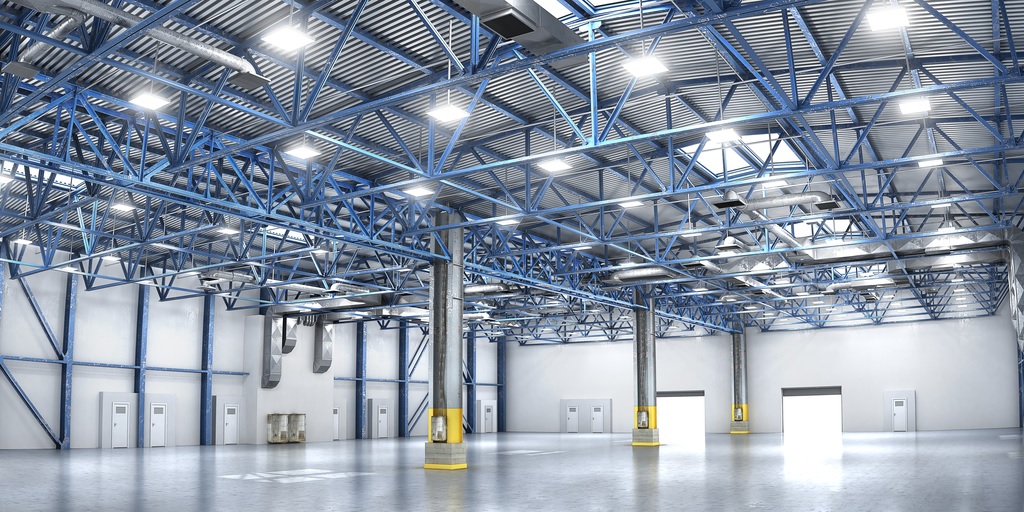



Operating any industrial facility demands infrastructure built for extreme conditions. High dust levels, frost, moisture, constant HVAC vibration, and extreme lighting will damage average lighting systems. Therefore, facility managers and engineers choose lighting solutions that will sustain function and safety in these conditions.
For more in-depth information you should view from Industrial LED Lighting Manufacturer&Supplier – COYDON

Industrial LED lighting systems respond specifically to the requirements of rugged industrial work areas. Options include systems that illuminate with a high lumen output and durability throughout their life, coupled with energy efficiency and reduced output. An investment in specific LED lighting solutions reduces maintenance downtime and consumption, while ensuring compliance with centralized occupational safety standards.
If you are looking for more information about UFO LED High Bay Light Manufacturer&Supplier – COYDON go here right away.
This guide highlights the working principles and applications of industrial LED lighting systems. As it considers the conditions and the specifications of lighting systems, facility operators should define and select the best lighting solutions from reputable manufacturers. Once the lighting is in place, COYDON systems should be used for their industrial lighting needs.
Understanding Industrial LED Lighting
Industrial lighting differs significantly from standard commercial or residential lighting. It requires components designed specifically for endurance and consistent output in demanding operational conditions.
What is LED Light Technology?
Light Emitting Diode (LED) technology generates light through electroluminescence. When electrical current passes through a semiconductor microchip, it illuminates the tiny light sources known as LEDs. Unlike traditional incandescent or high-intensity discharge (HID) lamps, LEDs do not rely on fragile filaments or combustible gases. This solid-state construction makes LED technology inherently more durable and resistant to physical shocks. Heat sinks absorb the heat produced by the LEDs and dissipate it into the surrounding environment, keeping the components cool and significantly extending their operational lifespan.
Benefits of LED Lights in Industrial Applications
The shift toward LED lighting in industrial sectors is driven by several measurable advantages. First, LED fixtures consume up to 75% less energy than traditional HID or fluorescent lighting while delivering equivalent or superior illumination. Second, LEDs offer a lifespan often exceeding 50,000 to 100,000 hours, drastically reducing the frequency of replacements. This longevity is highly valuable in factories or warehouses where replacing high-bay lighting requires heavy machinery and halts production lines. Furthermore, LEDs provide instant illumination without the warm-up time required by traditional industrial lamps, improving safety and flexibility during power interruptions.
Key Features of Industrial Light Fixtures
A standard LED bulb cannot survive in a heavy manufacturing plant. Industrial LED fixtures incorporate specific protective features. Ingress Protection (IP) ratings indicate the fixture’s resistance to dust and water. An IP65 or IP66 rating means the fixture is dust-tight and protected against heavy jets of water. Housings are typically constructed from die-cast aluminum or heavy-duty polycarbonate to resist corrosion and impacts. Additionally, industrial fixtures utilize specialized optics and lenses to control glare and distribute light evenly across expansive workspaces, reducing eye strain for machine operators.
Commercial LED Lighting Solutions
While industrial lighting focuses on extreme survival, commercial and light-industrial environments also require robust, high-efficiency lighting systems tailored to specific workflows.
Applications of Commercial LED Lights
Commercial and light-industrial LED fixtures are deployed across a wide range of facilities. Warehouses use high-bay LED lights to illuminate narrow aisles from high ceilings, ensuring forklift operators can safely navigate the space. Manufacturing floors utilize task lighting to provide high-visibility illumination over specific assembly lines. Food processing plants require wash-down ready LED fixtures that can withstand daily cleaning with high-pressure, high-temperature chemical sprays without compromising the internal electronics.
Design Considerations for Commercial Lighting
Effective lighting design requires careful calculation of several photometric parameters. Lumen output dictates the total brightness of the fixture, which must be scaled to the ceiling height and square footage of the space. Color Temperature, measured in Kelvin (K), affects visibility and alertness. Industrial spaces generally utilize 4000K to 5000K temperatures, which mimic crisp daylight and improve contrast for detailed tasks. Color Rendering Index (CRI) is also critical; a higher CRI ensures that wiring colors, warning labels, and product details appear accurately to workers.
Choosing the Right Light Fixture for Your Needs
Selecting the correct fixture involves matching the lighting specifications to the environmental risks. A facility with high ambient temperatures needs fixtures with advanced thermal management systems to prevent the LED drivers from failing. Environments with volatile gases or combustible dust require explosion-proof LED fixtures, which are sealed to prevent sparks from igniting the surrounding atmosphere. Partnering with specialized manufacturers like COYDON ensures that the chosen fixtures are certified for the specific hazards present in the facility.
Installation and Maintenance of LED Fixtures
When you prioritize your industrial lighting investments with proper placement and proactive upkeep, your investments will serve you longer and perform better.
Steps for Installation of LED Light Fixtures
For industrial lighting, installers must always be experienced and be certified as per the area’s regulatory framework on electrical systems. The first step for the installation of industrial lighting involves checking tapping points on industrial structures and the integrity of the structures. After, the technicians decide and install the conduits and junction boxes. The lighting fixtures will be installed using industrial-grade chain suspension systems or other industrial fixtures, depending on the structures of the ceiling. The electrical connections and systems of the conduits will be checked for correct and proper dimming and lights.
How Maintenance Can Ensure Durability
LED lights will require less frequent and less regular maintenance schedules compared to legacy lights. Maintenance for LED lights involves cleaning of the lighting fixtures on a set schedule to quickly remove the build up of dirt and oils. This will help the lights shine brighter. After the system of lights is checked for proper connectability and functioning, the proper functioning dims of lights. The housings and hardware will be checked for degradation through visual inspections and corrosion. Finally, routinely performed inspections will be used to make sure the dissipative surfaces remain debris free.
Typical Problems and Solutions
LED fixtures commonly fail because of LED driver issues. It is imperative to have an understanding of the LED driver and the role it plays. The AC from the electrical set up is changed to the DC current that is required by LEDs. The LED driver is more susceptible to heat and electrical fluctuations from the AC current causing the driver to be fully functional one moment and switched off the next. The addition of surge protection at the circuit level can prevent potential damage to the lighting overall. Lighting fixtures can be compromised by water damage with gaskets and seals breaking. If that occurs immediate inspections should be scheduled to prevent short circuiting of the internal components.
Engineered Solutions for Factories
Manufacturing environments present unique spatial and environmental challenges that require highly customized lighting layouts.
Customizing Lighting for Unique Factory Environments
No two factories are identical. A facility processing heavy metals has entirely different lighting requirements than a textile manufacturing plant. COYDON provides engineered solutions that adapt to specific structural layouts. This includes adjusting the beam angles of high-bay lights to accommodate the placement of heavy machinery, preventing dark spots or dangerous shadows. Customization also involves integrating lighting controls, such as motion sensors and daylight harvesting systems, which automatically dim fixtures when natural light is sufficient or when areas of the factory are unoccupied.
Linear LED Lighting for Enhanced Visibility
Linear LED fixtures are highly effective in factories with low-to-medium ceiling heights or continuous assembly lines. These elongated fixtures provide a broad, uniform distribution of light, minimizing glare and eliminating shadows across long workbenches. Linear lighting is also easier to daisy-chain together, simplifying the wiring process across expansive factory floors. Their sleek profile makes them less susceptible to accumulating heavy dust compared to traditional bulky fixtures.
Considerations for Harsh Environments
Harsh environments accelerate the degradation of electrical equipment. In facilities with heavy machinery, continuous vibration can loosen wiring connections and compromise the structural integrity of light housings. Fixtures in these zones must feature vibration-resistant mounts and heavy-duty internal bracing. In chemical processing plants, corrosive vapors quickly destroy standard aluminum housings. These applications necessitate fixtures coated in specialized epoxy or constructed from marine-grade stainless steel to resist chemical degradation.
Wholesale and Contractor Considerations
Planning an entire building’s lighting renovation requires careful logistics, reliable purchasing, and dependable installation contractors.
Advantages of Bulk Purchasing
Purchasing industrial LED lights through one of the wholesale connectors gives buyers many financial and logistical gains. The price goes down with an order of many lights. Moreover, the logistics of choosing lights in a single order from one manufacturer means the lights in a bulk order will all have the same color and brightness. Having multiple backup lights of the same version ensures a quick change in the event of a light malfunction. This prevents extended outages of lights due to long restock cycles.
The Value of a Good Contractor
The contractor choice for a lighting renovation is just as important as bulk purchasing. Managers of a facility should work with industrial-centric electrical contractors. This means the contractors have the knowledge of the care required to work around a space that is in operation, as well as the management of the use of industrial cranes and complex electrical issues. Moreover, reliable contractors will have the tools and knowledge required to transform the space in the best possible case employ the appropriate safety and legal measures. These include OSHA and other regional construction laws.
Backup Options for Industrial Lighting
Power failures can be dangerous for industrial environments. With a loss of power, workers need to clear the area and safely turn off machines. Safely integrated emergency battery backup (EMB) units, along with industrial LED lighting systems, provide the illumination for over 90 minutes during a power outage. LED lighting with built in battery backup, or lighting arrays tied to a centralized uninterruptible power supply (UPS), can simultaneously meet the emergency egress lighting requirements.
Maximizing Operational Efficiency with Industrial LEDs
Investments in safety, efficiency, and costs are made possible by upgrading to industrial LED lighting. The environmental risks of their operations, consider factors like extreme heat, moisture, or vibration, facility managers can choose fixtures designed to withstand those particular conditions.
Working with experienced manufacturers like COYDON allows industrial facilities to implement lighting systems tailored to their unique architectural and operational requirements. From selecting the correct IP ratings and optics to planning for wholesale procurement and emergency backups, a systematic approach to lighting design ensures that heavy industrial spaces remain bright, safe, and productive for years to come.