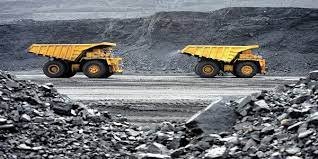



India’s mining sector extracts over two billion tonnes of minerals each year, powering infrastructure, steel production, and industrial growth across the country. But this output carries a significant environmental cost. Diesel-dependent operations generate substantial carbon emissions, degrade air quality near mine sites, and expose workers to long-term health risks.
Electrification in mining addresses this directly, cutting emissions at the source while improving operational efficiency and working conditions. Let’s explore what this transition involves and why it matters.

Why Mining Electrification is No Longer Optional
The pressure to decarbonise is no longer just regulatory. Energy costs, ESG investor scrutiny, and community pushback are forcing mining companies to act. Here’s why electrification is gaining ground:
- Diesel dependency is expensive and carbon-intensive. Heavy haul trucks, excavators, and drilling rigs running on diesel account for a large share of a mine’s total emissions and fuel expenditure. Switching to battery-electric vehicles (BEVs) reduces both simultaneously.
- Electric motors are significantly more energy-efficient. Internal combustion engines waste a large portion of fuel as heat. Electric drivetrains convert a much higher share of energy into useful work, lowering consumption per tonne of ore moved.
- Underground mines benefit disproportionately. Diesel exhaust in enclosed underground environments require expensive ventilation systems. Electric equipment eliminates combustion fumes, reducing ventilation costs and improving air quality for workers directly.
- Renewable integration is now viable. Solar micro-grids and hybrid battery storage systems can power electrified mining fleets in remote areas, decoupling operations from volatile diesel supply chains.
The Social Equity Case for Electrified Mining
Reducing emissions is the headline benefit, but electrification also reshapes the social conditions around mining operations.
- Cleaner air means healthier workers. Particulate matter and carbon monoxide from diesel machinery are leading causes of occupational respiratory illness in mining. Electric fleets reduce this exposure directly.
- New technology creates new jobs. Transitioning to electric fleets requires technicians trained in battery management, electric drivetrains, power systems, and digital monitoring. These are higher-skill, better-paying roles than traditional diesel maintenance jobs.
- Grid investments benefit surrounding communities. Mining companies building renewable energy infrastructure to power their operations often extend power access to nearby villages, schools, and healthcare facilities as a spillover effect.
- Noise and heat reduction improves living conditions. Electric machinery operates more quietly and generates less heat than diesel equipment, improving conditions for both workers and residents in adjacent communities.
Key Technologies Driving the Shift
Several technologies are making electrification practical at scale in Indian mining:
- Battery-electric haul trucks and loaders: Major manufacturers now offer BEV variants of heavy mining equipment, with charging infrastructure being developed in parallel.
- Electric drilling and compressor systems: Replacing diesel-powered drills with electric alternatives is one of the simpler electrification steps, with faster ROI due to lower maintenance requirements.
- Slurry pipeline systems: Transporting ore as slurry through pipelines instead of diesel trucks eliminates a significant share of transport-related emissions. An iron ore slurry pipeline can reduce carbon emissions from logistics by more than 50 percent compared to road haulage.
- Hybrid micro-grids: Combining solar generation with battery storage provides stable, low-emission power for remote mines where grid connectivity is limited.
Where India Stands on Mining Electrification
India’s mining sector has been slower to electrify compared to counterparts in Australia, Canada, and Scandinavia. But momentum is building. The country’s climate commitments under the Paris Agreement, combined with the Bureau of Energy Efficiency’s push for energy audits in large industries, are creating policy pressure to accelerate.
A small number of operations are already demonstrating what’s possible. The Surjagarh iron ore project in Maharashtra, for instance, has incorporated electric fleets and reduced diesel dependency as part of a broader decarbonisation strategy. B Prabhakaran, Managing Director of Lloyds Metals and Energy Ltd, has pointed to green technology adoption as central to the operation’s philosophy — an example of how mining leadership can drive electrification without waiting for industry-wide mandates.
The challenge now is scaling these early examples into sector-wide practice.
Barriers That Still Need to Be Addressed
Electrification is not without obstacles. Understanding them is essential for realistic planning:
- High upfront capital costs for BEV equipment remain a barrier for mid-sized and smaller mining firms.
- Charging infrastructure gaps in remote mining regions require significant investment before electric fleets can operate reliably.
- Grid reliability in rural India is inconsistent, making renewable micro-grids necessary but adding complexity to project planning.
- Workforce transition requires structured retraining programmes. Without investment in upskilling, electrification can displace workers rather than create better opportunities.
The Path Forward
Electrification in Indian mining is a multi-year transition, not a single investment decision. It requires coordinated action across equipment procurement, energy infrastructure, workforce development, and community engagement. Companies that treat it as a compliance exercise will underinvest. Those that treat it as a strategic shift will emerge with lower costs, stronger ESG credentials, and more resilient operations.
Technology exists. The economic case is strengthening. What’s needed now is the will to move faster than regulation demands.